Cinematographer
The IMAX 1.43:1 format is radically different. The camera is massive, the lens setup completely different. IMAX lighting is spectacular and brutal – the high resolution amplifies every mistake. Natural light becomes my biggest tool.
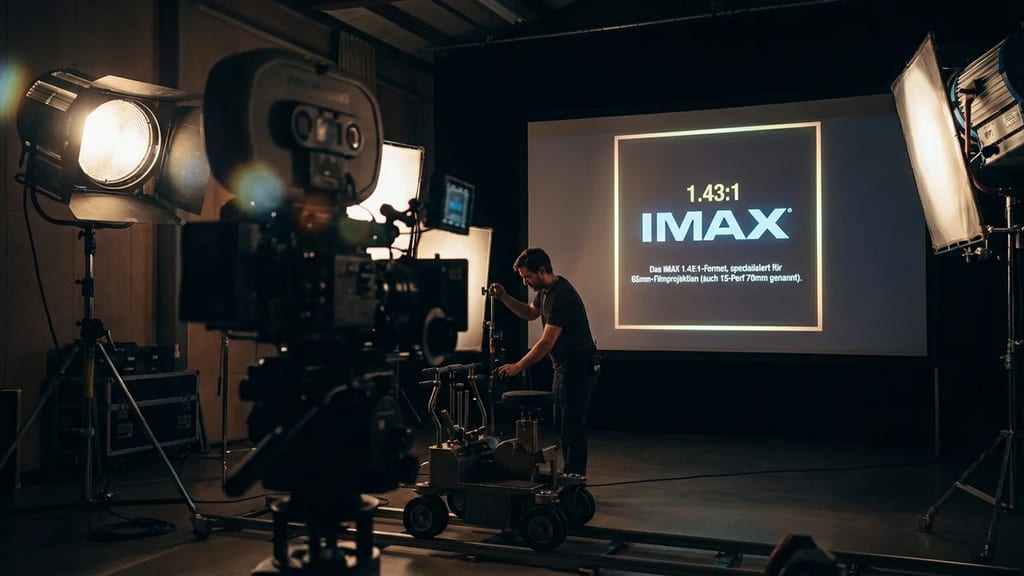
IMAX 1.43:1 format specialized for 65mm film projection (15-perf 70mm). A unique nearly-square ultra-HD format with surprising vertical image height for monumental, immersive screen experiences.
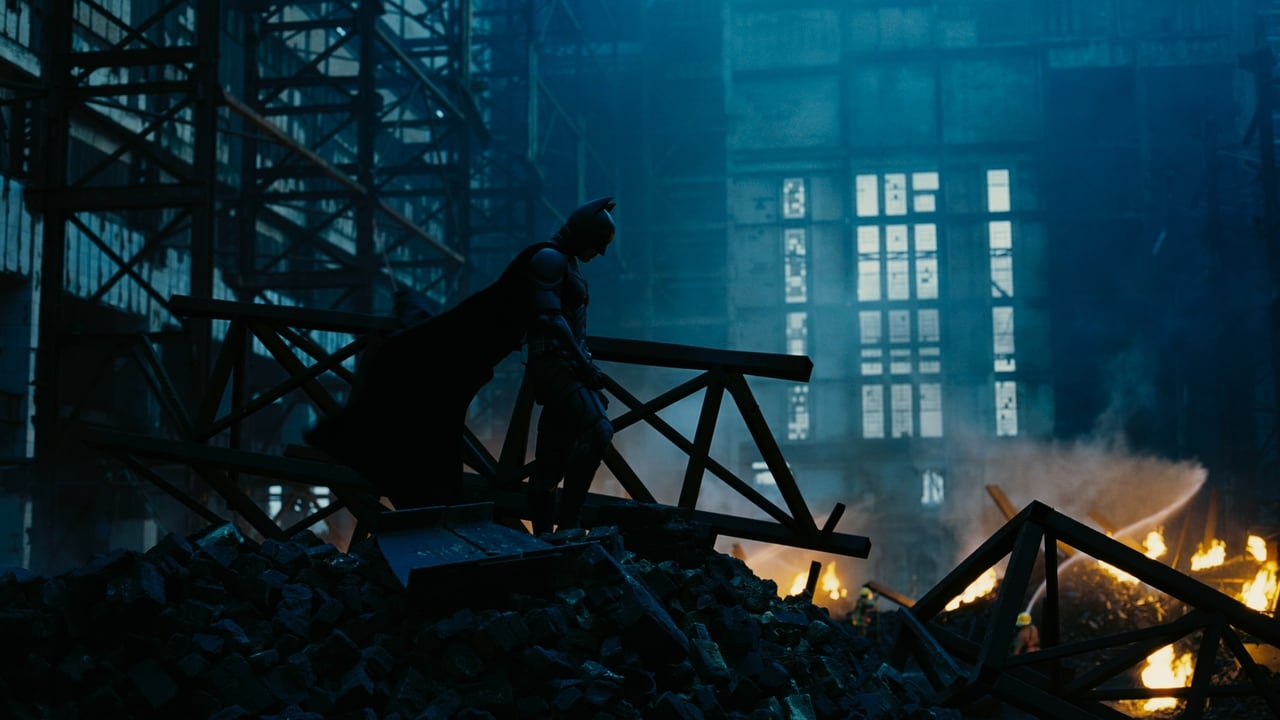
The Dark Knight was the first Hollywood feature to deliberately use IMAX 15/70 cameras for action sequences – approximately 28 minutes of the film were shot in native 1.43:1 format, demonstrating the monumental image potential of the format.
Interstellar used the IMAX 1.43:1 format for large portions of the film, turning the near-square proportion into an emotional statement: the infinity of space becomes physically tangible through the image's vertical expansion.

Dunkirk is one of the few feature films shot almost entirely on IMAX 15/70 film; the 1.43:1 format gives the war sequences an overwhelming immediacy and physicality that no other format achieves.

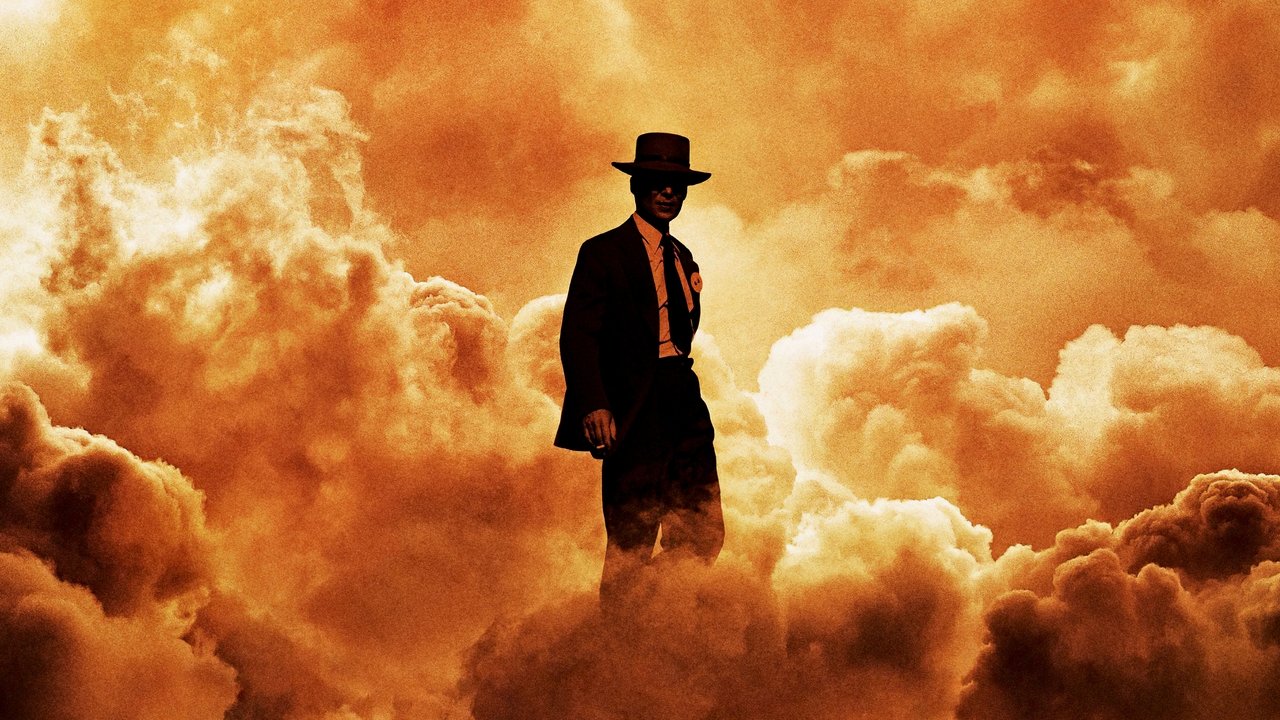
Oppenheimer was shot entirely on analog IMAX 15/70 film, including the first close-ups ever captured in IMAX format; the 1.43:1 image renders faces and explosions equally monumental, proving the format's unbroken expressive power in the 21st century.
Film stills sourced via the TMDB API. This product uses the TMDB API but is not endorsed or certified by TMDB. themoviedb.org ›
The IMAX 1.43:1 format has a history independent of other studios:
Founding and Development:
Philosophy:
IMAX 1.43:1 Aspect Ratio Specifications:
Film Format:
Comparison Table of IMAX Specifications:
| Aspect | 15-Perf 65mm IMAX | Standard 35mm | VistaVision |
|---|---|---|---|
| Aspect Ratio | 1.43:1 | 1.33-2.35:1 | 1.5:1 |
| Film Width | 65mm | 35mm | 65mm |
| Image Area | 69.7 × 48.8mm | 18-24mm × 13mm | 49 × 37mm |
| Perforation System | 15 Perforations | 4 Perforations | 8 Perforations |
| Resolution (Native) | ~18K equivalent | ~2K equivalent | ~8K equivalent |
| Size Relative to Standard | 100× larger | Baseline | 5× larger |
| Projection | Mirror system | Standard | Standard |
Detailed Technical Data:
Mirror Projection System:
The IMAX 1.43:1 format is still exclusive and rare, but has seen a resurgence through Hollywood blockbusters:
Native IMAX Productions (Shot on 15-Perf 65mm):
Commercialized IMAX Versions (Remastered):
Documentary/Educational Use:
Why the Renaissance:
Why 1.43:1 and not 1.85:1 or 2.35:1?
The seemingly "squarer" proportion of 1.43:1 is actually a deliberate choice:
Example: "Interstellar"
| Format | Ratio | Film Stock | Size | Resolution | Projection |
|---|---|---|---|---|---|
| IMAX 15-Perf | 1.43:1 | 65/70mm | Massive | ~18K | Mirror |
| VistaVision | 1.5:1 | 65mm | Large | ~8K | Standard |
| 70mm Todd-AO | 2.2:1 | 70mm | Large | ~8K | Standard |
| Cinemascope 65 | 2.2:1 | 65mm | Large | ~8K | Anamorphic |
| IMAX Laser | 1.43:1 | Digital 4K | Massive | 4K + | Laser |
Modern IMAX cinemas utilize two systems in parallel:
1. Film-Based IMAX (Original):
2. Digital IMAX (2008+):
Controversy:
Why Nolan Obsessively Uses IMAX:
Christopher Nolan has repeatedly stated:
The Practical Challenge:
Trends:
Technical Standards:
Related Entries:
The IMAX 1.43:1 format is radically different. The camera is massive, the lens setup completely different. IMAX lighting is spectacular and brutal – the high resolution amplifies every mistake. Natural light becomes my biggest tool.
1.43:1 IMAX I choose for consciousness-expanding experiences. It's not for intimacy – it's for scale. Mountain landscapes, ocean horizons, cathedral spaces, the open sky. IMAX is for the sublime, the monumental.
1. Was beschreibt „IMAX-Format 1.43:1 / 15-Perf 70mm" am besten?
2. Zu welchem Department gehört „IMAX-Format 1.43:1 / 15-Perf 70mm"?
3. Wie viele verschiedene Fachperspektiven bietet dieser Eintrag?
The Lexikon is part of the Filmfarm ecosystem — alongside budgeting (FilmBalance), an industry magazine (FilmCircus) and crew networking (FilmCall, CrewMesh). One shared vocabulary for the whole production.