Filmlexikon.
Support
65mm
Camera · Technique

65mm

Murnau AI illustration
system 65 65mm film mgm camera 65

65mm is a large-format negative stock: cameras expose 65mm film that is printed to 70mm for theatrical projection.

In film history

Famous examples · 65mm

Curated examples across cinema history that illustrate the term — from compositional principle to deliberate refusal.
01 / DESERT IN FULL GRANDEUR

Lawrence of Arabia

David Lean · 1962 · Freddie Young

Freddie Young used the 65mm format to capture the endless expanses of the Arabian desert with breathtaking sharpness and depth – the vast image area made the landscape itself the dramatic protagonist.

Lawrence of Arabia · sample frame
02 / COSMIC PRECISION IN LARGE FORMAT

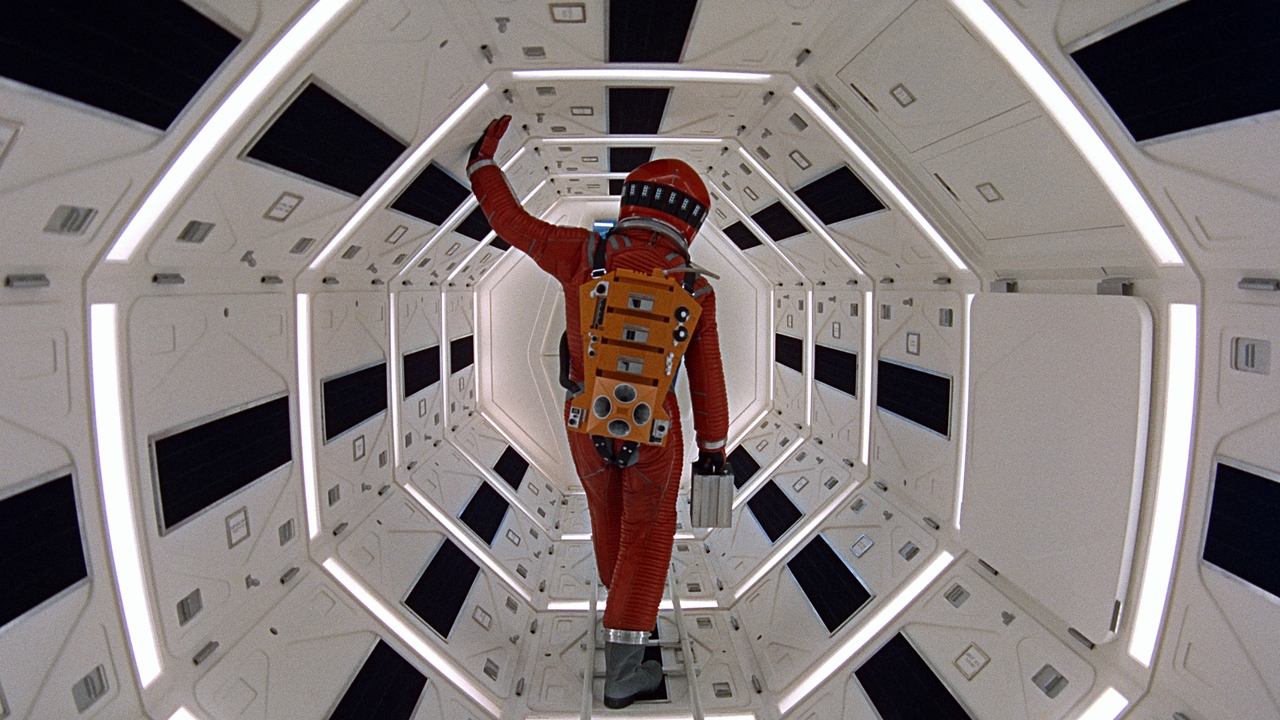
2001: A Space Odyssey

Stanley Kubrick · 1968 · Geoffrey Unsworth

Kubrick chose the 65mm format for his vision of space, rendering the geometric purity of space stations and the infinite blackness of the cosmos with maximum image resolution and depth of detail.

2001: A Space Odyssey · sample frame
03 / ULTRA PANAVISION REVIVAL

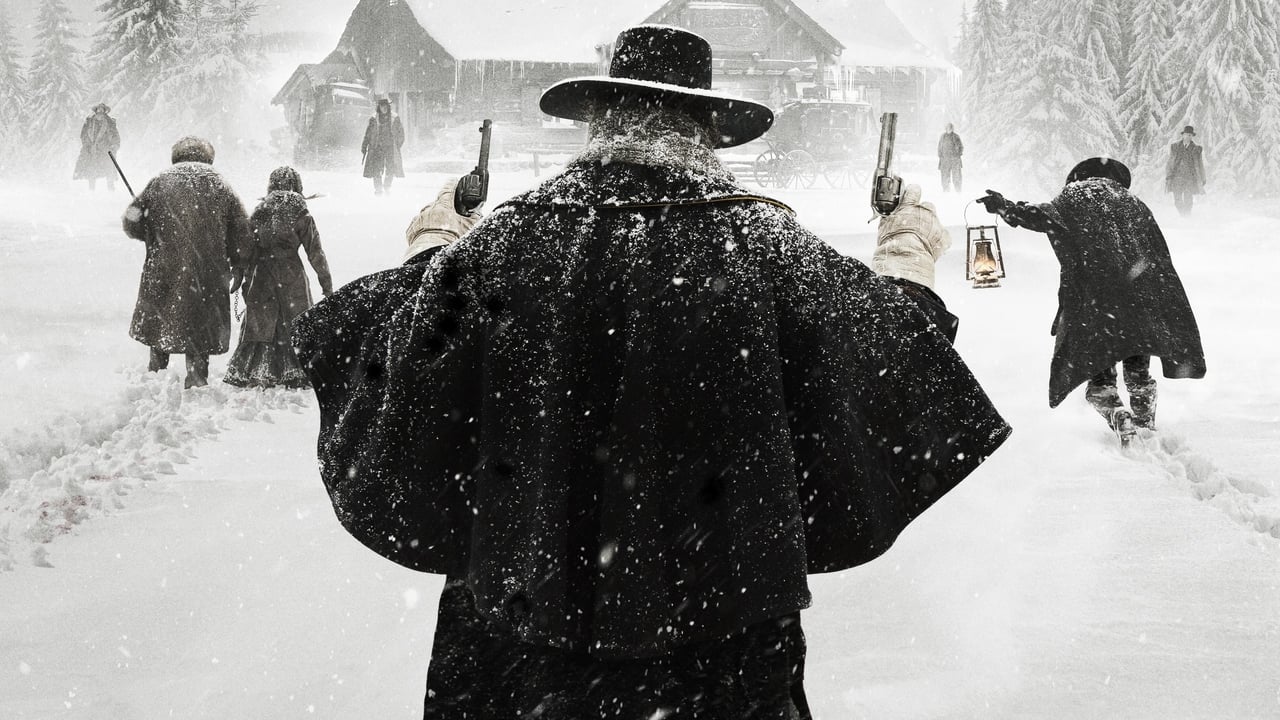
The Hateful Eight

Quentin Tarantino · 2015 · Robert Richardson

Tarantino shot on analog 65mm Ultra Panavision 70, sparking a renaissance of the large format – the extreme anamorphic lens produced an aspect ratio of 2.76:1, demonstrating the format's unrivalled image quality.

The Hateful Eight · sample frame
04 / IMAX-65MM AS HISTORICAL TESTIMONY

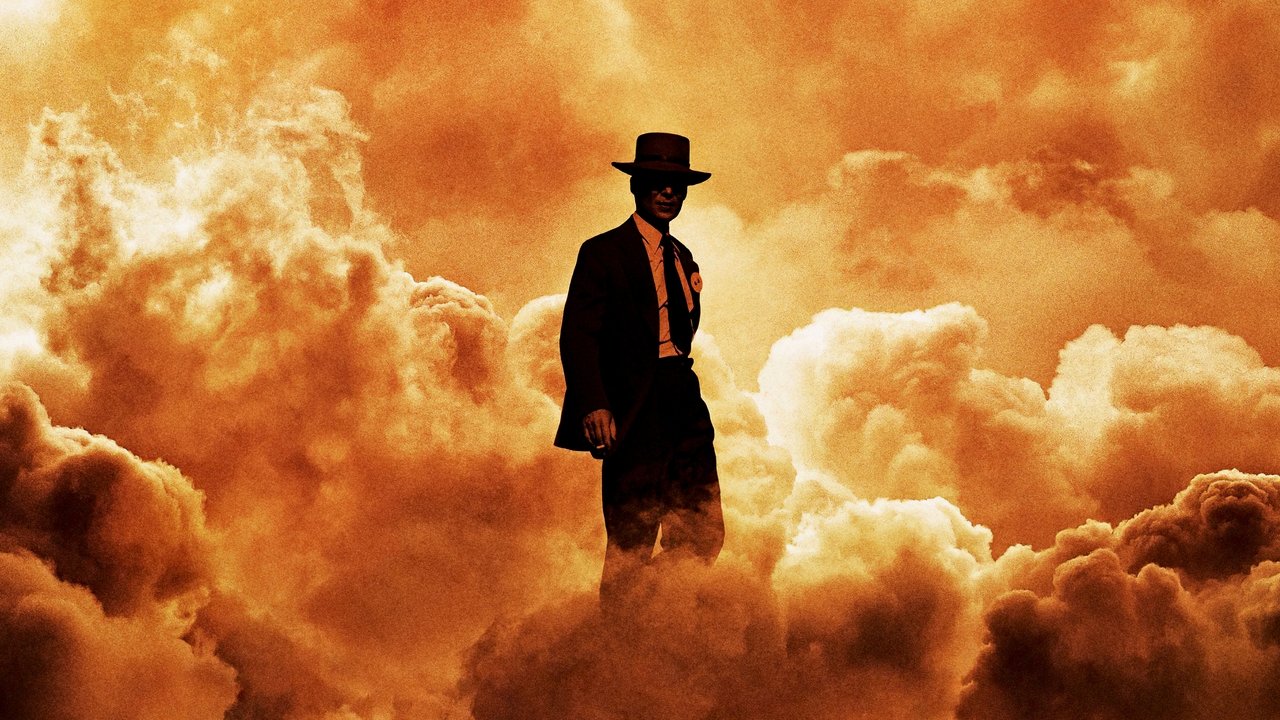
Oppenheimer

Christopher Nolan · 2023 · Hoyte van Hoytema

Hoyte van Hoytema photographed black-and-white sequences on IMAX 65mm film for the first time, exploiting the format's enormous detail density to convey the psychological intensity of the atomic bomb with physical immediacy.

Oppenheimer · sample frame

Film stills sourced via the TMDB API. This product uses the TMDB API but is not endorsed or certified by TMDB. themoviedb.org ›

Overview

"65mm" refers to a large-format film camera recording format (English: large format): the camera negative is 65 mm wide – almost twice as wide as standard 35-mm film. It's important to distinguish it from "70mm": 65 mm is the negative that runs through the camera, while 70 mm is the print or projection format. The additional 5 mm on the 70-mm print historically accommodated four magnetic stripes for multichannel sound. Colloquially, both terms are often used interchangeably ("shot on 65/70 mm").

The appeal of the format lies in its significantly larger negative area: it's about 3.5 times larger than the classic 35-mm format. This results in very fine resolution, low grain, great depth of field, and a characteristic gradation of sharpness and blur. 65 mm is primarily used for epic feature films, landscape and large-scale shots, as well as for IMAX productions.

Technical Specifications

The dimensions depend heavily on the number of perforations per frame. Two common variants:

FormatPerforations/FrameImage Area (approx.)Aspect Ratio
Standard 65 mm (vertical)5-perf52.63 × 23.01 mm2.2:1
IMAX (horizontal film travel)15-perf70.41 × 52.63 mm1.43:1
  • Negative width: 65 mm (camera film)
  • Projection/Print width: 70 mm
  • Negative area: approx. 3.5× larger than 35 mm
  • IMAX camera negative: estimated up to approx. 12K horizontal resolution

Camera and Lens Systems

Classic photochemical 65-mm systems include Super Panavision 70 (spherical) and Ultra Panavision 70 (anamorphic), as well as camera systems like the Panavision System 65 and the ARRI 765. IMAX uses its own 15-perf intermittent movement running horizontally through the camera and projector on 65/70-mm film.

Digital successors in large format include the ARRI ALEXA 65 and ALEXA 265, as well as the Blackmagic URSA Cine 17K. These sensors electronically replicate the 65-mm image area without exposing film stock.

On-Set Usage

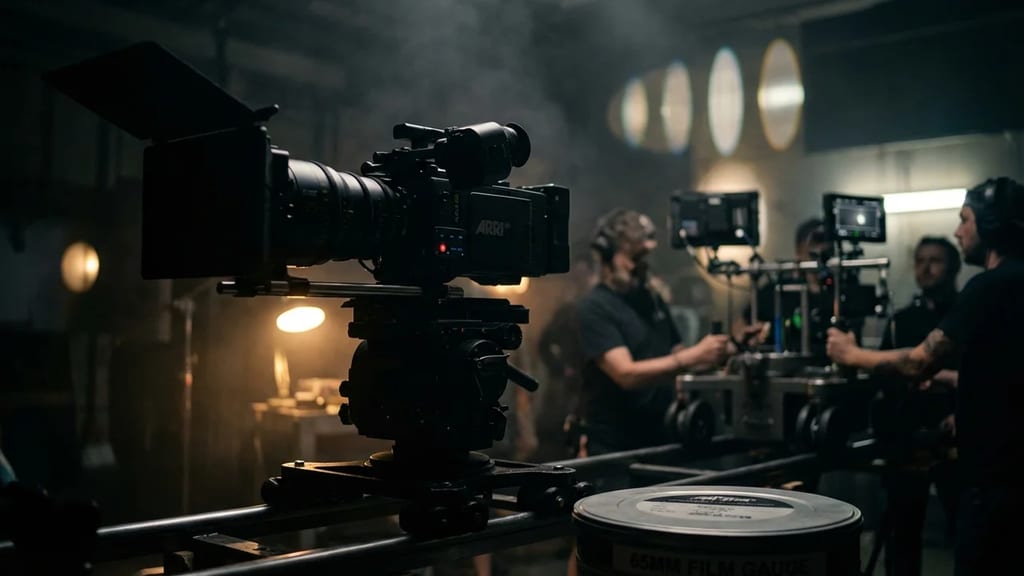
Shooting on 65-mm is complex: the cameras are large and heavy, which impacts grip and rigging (sturdier tripods, dollies, cranes, and remote heads). Material consumption is high, and magazines hold less running time per roll than with 35 mm. Due to the larger negative area, the depth of field is shallower, requiring precise focus pulling on set. From a lighting perspective, the fine, low-grain negative benefits from cleanly controlled light, as the finest details and tonal gradations are recorded.
From the crafts

Perspectives

Cinematographer

As a cinematographer, I appreciate the 65mm format for its unparalleled image quality and extended dynamic range, which preserves even the finest details in shadows and highlights. However, the larger, heavier camera systems require careful planning of camera movement and more stable tripod or crane systems. The ability to go to extreme magnifications for projection without any loss of quality makes every extra effort worthwhile.

Director

For me as a director, 65mm offers an unparalleled opportunity to visually overwhelm the audience and draw them into the story. I consciously choose this format for scenes intended to convey epic scope or emotional intensity. Collaboration with the cinematographer becomes even more crucial, as every shot must be optimally composed to exploit the format's potential.

Producer

From a production standpoint, 65mm means considerable extra costs due to more expensive film stock, specialized camera equipment, and more elaborate post-production. However, the investment pays off for large productions through the premium cinema experience and corresponding marketing opportunities. Additionally, I have to secure cinemas with appropriate 70mm projection technology for distribution.

More in the lexikon

Related terms

Test your knowledge

Quiz

1. Zu welchem Department gehört „65mm"?

2. Wie viele verschiedene Fachperspektiven bietet dieser Eintrag?

Report an error
From the Filmfarm ecosystem

Understand visual language, budget productions, connect crew.

The Lexikon is part of the Filmfarm ecosystem — alongside budgeting (FilmBalance), an industry magazine (FilmCircus) and crew networking (FilmCall, CrewMesh). One shared vocabulary for the whole production.

FilmFarm FilmRadarComing soonFilmPulseComing soonFilmNumbersComing soonFilmCapitalComing soonFilmLabComing soonFilmBalanceComing soonFilmCircusComing soon