Cinematographer
Kranfahrten erfordern extreme Koordination. Das Timing zwischen Fokus-Pulling und 3D-Armbewegung muss millimetergenau stimmen.
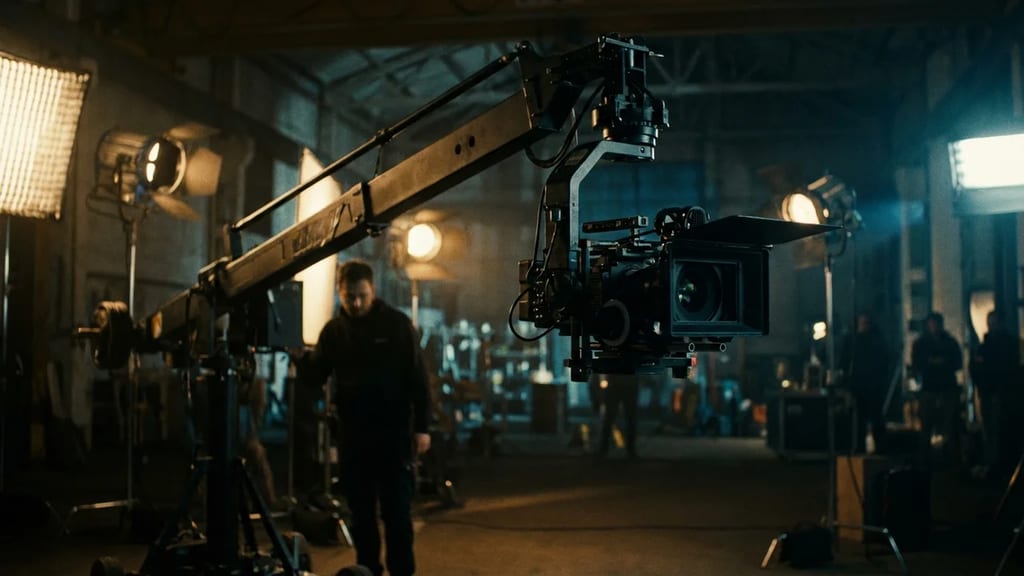
A camera movement using a large mechanical arm that extends from a stable base, enabling three-dimensional motion including vertical, lateral, and deep-space movement to establish spatial relationships and reveal information.
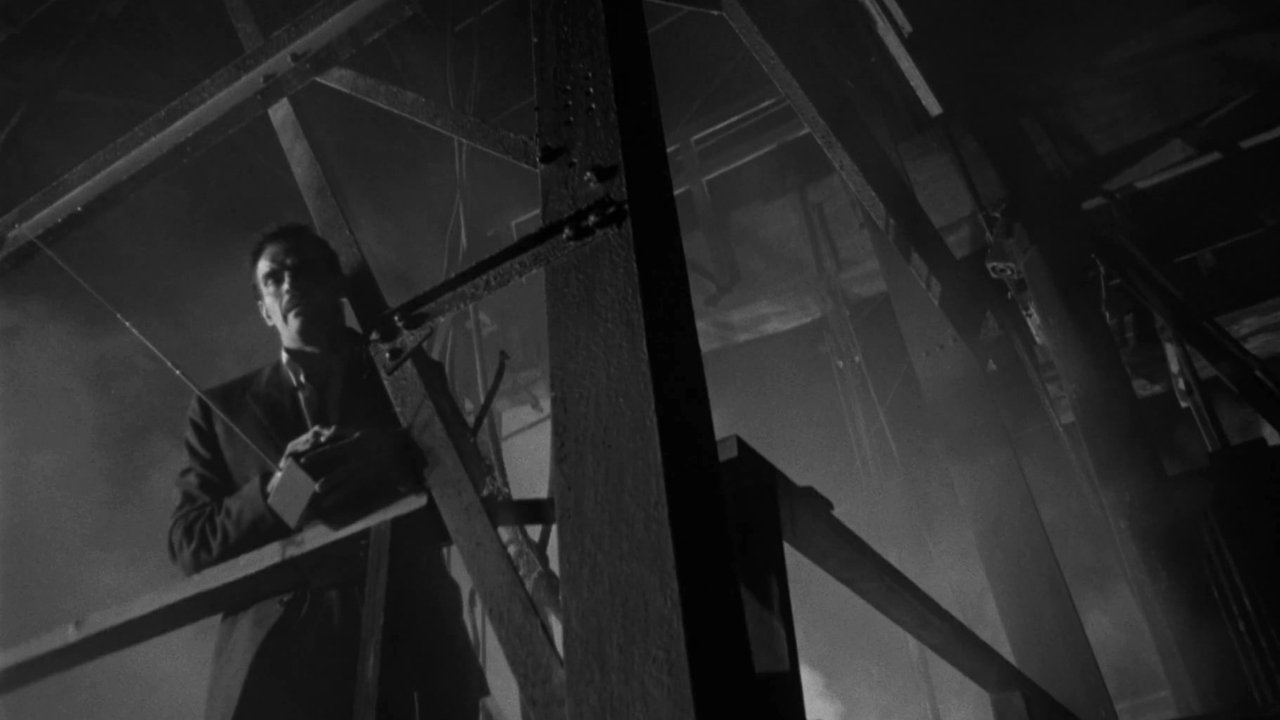
The famous three-minute opening sequence combines a complex crane movement with ground-level lateral tracking, establishing the crane shot as a dramatic tool for building tension without a cut.
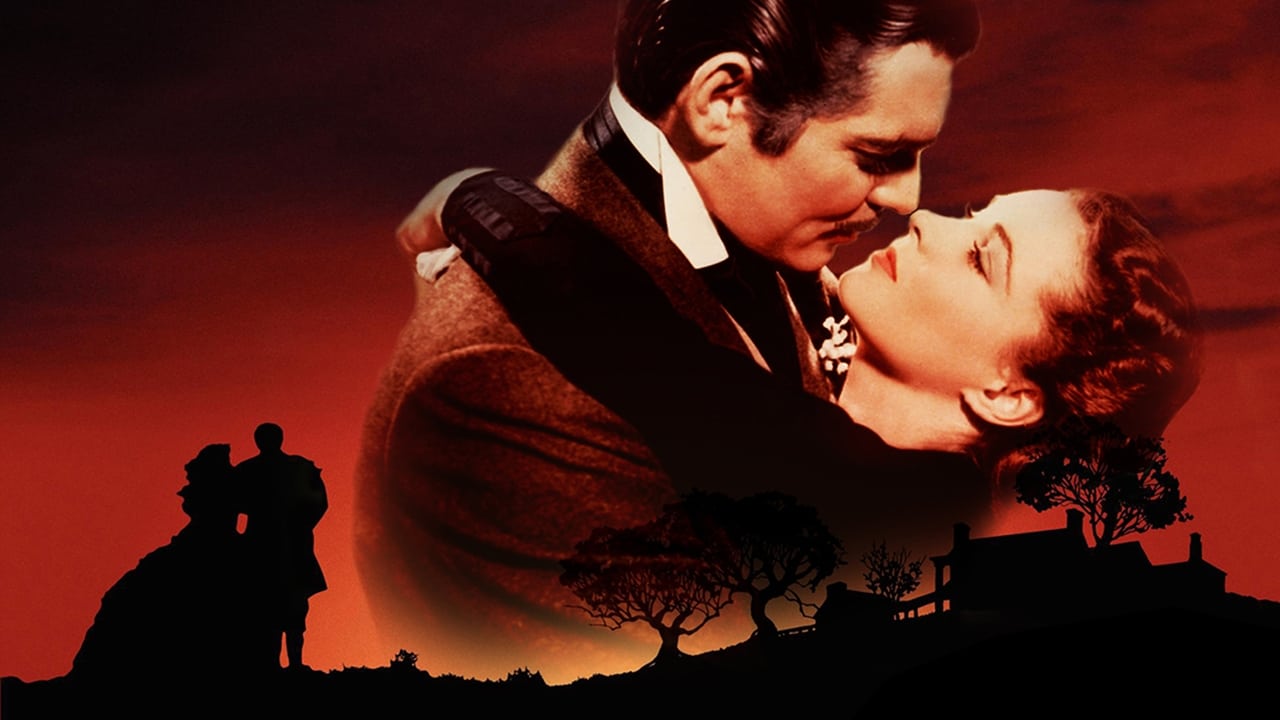
The famous pull-back over the field of wounded soldiers – from Scarlett O'Hara to the unfurled Confederate flag – demonstrates how the crane generates emotional overwhelm through sheer spatial expansion.
Storaro uses crane shots in the Kurtz compound sequence to shift between intimate human-level views and detached aerial perspectives, framing the madness of war as a cosmic phenomenon.

Lubezki seamlessly combines crane movements with Steadicam work in the battlefield sequences, allowing the camera to shift from elevated overview into immediate immersion, dissolving the boundary between observer and participant.
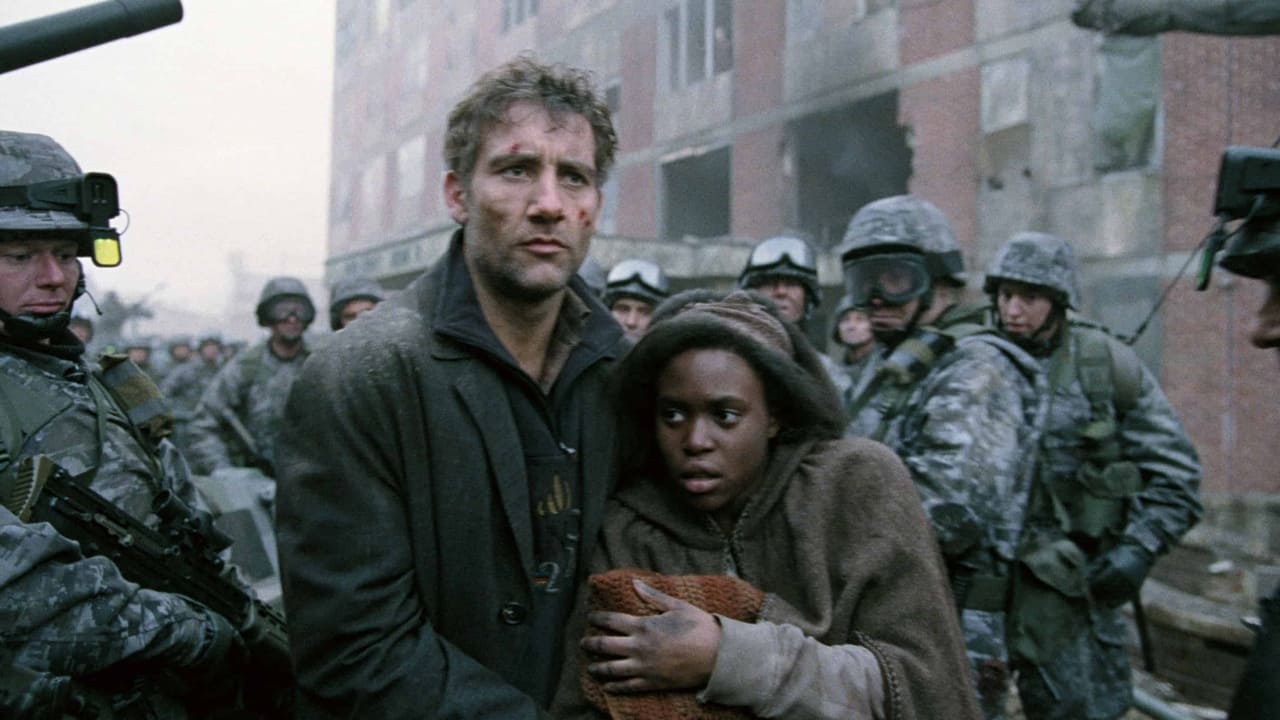
Film stills sourced via the TMDB API. This product uses the TMDB API but is not endorsed or certified by TMDB. themoviedb.org ›
Modern film cranes operate with hydraulic systems, carrying payloads of 150-400 kg. The Chapman Titan reaches maximum heights of 9.8 meters with a reach of 11.3 meters. Technocranes achieve up to 22 meters in height and 15 meters in reach. Remote control is handled via precise joystick systems with speed variations from 0.1-180 degrees per minute for pan movements. Telescoping cranes additionally enable horizontal length adjustments of the boom during operation. Stabilization systems like Libra Heads compensate for mechanical vibrations with an accuracy of ±0.02 degrees.
In 1929, UFA developed the first motorized film crane for "The Blue Angel." Hollywood adopted this technology in 1939 with the Chapman Studio Crane for "Gone with the Wind" – the famous wide shot of wounded soldiers was created with a 15-meter crane. In 1960, Panavision introduced remote control, and in 1985, Technocrane revolutionized the market with the first telescopic system. Since 2010, Stabilized Remote Heads like the Libra Head have enabled precise movements without a cameraman on the boom.
Orson Welles' opening sequence in "Touch of Evil" (1958) combines a 3.2-minute crane shot with slow motion over Tijuana. Kubrick's "The Shining" uses a Louma crane for the shot through the Overlook Hotel foyer. "Goodfellas'" famous Copacabana shot required an 18-meter Chapman crane for the seamless transition from exterior to interior. Setup time ranges from 2-4 hours depending on the crane type; three technicians typically operate a crane during filming.
Crane shots differ from dolly movements through their vertical component and greater reach. Steadicam replaces cranes in confined spaces but only achieves a camera height of 1.80 meters. Since 2012, drones offer more flexible aerial shots but are subject to flight restrictions and wind susceptibility. Cable cam systems bridge longer distances but are limited to predefined routes between two points. Russian Arms combine dolly mobility with 7-meter booms for compact crane effects.
Kranfahrten erfordern extreme Koordination. Das Timing zwischen Fokus-Pulling und 3D-Armbewegung muss millimetergenau stimmen.
Kranfahrten sind ein starkes Werkzeug fuer emotionale und narrative Kontexte. Eine langsame vertikale Auffahrt isoliert Protagonisten psychologisch.
Kranmiete kostet taeglich 1200-2500 Euro plus 3-4 spezialisierte Techniker. Aufbauzeit betraegt 2-4 Stunden fuer komplexe Setups.
1. Was beschreibt „Kranfahrt / Kranaufnahme" am besten?
2. Zu welchem Department gehört „Kranfahrt / Kranaufnahme"?
3. Wie viele verschiedene Fachperspektiven bietet dieser Eintrag?
The Lexikon is part of the Filmfarm ecosystem — alongside budgeting (FilmBalance), an industry magazine (FilmCircus) and crew networking (FilmCall, CrewMesh). One shared vocabulary for the whole production.