Filmlexikon.
Support
Available Light / Practical Light
Lighting · Terms

Available Light / Practical Light

Murnau AI illustration
hard light soft light diffused light bounce light bounce negative fill ambient light color temperature

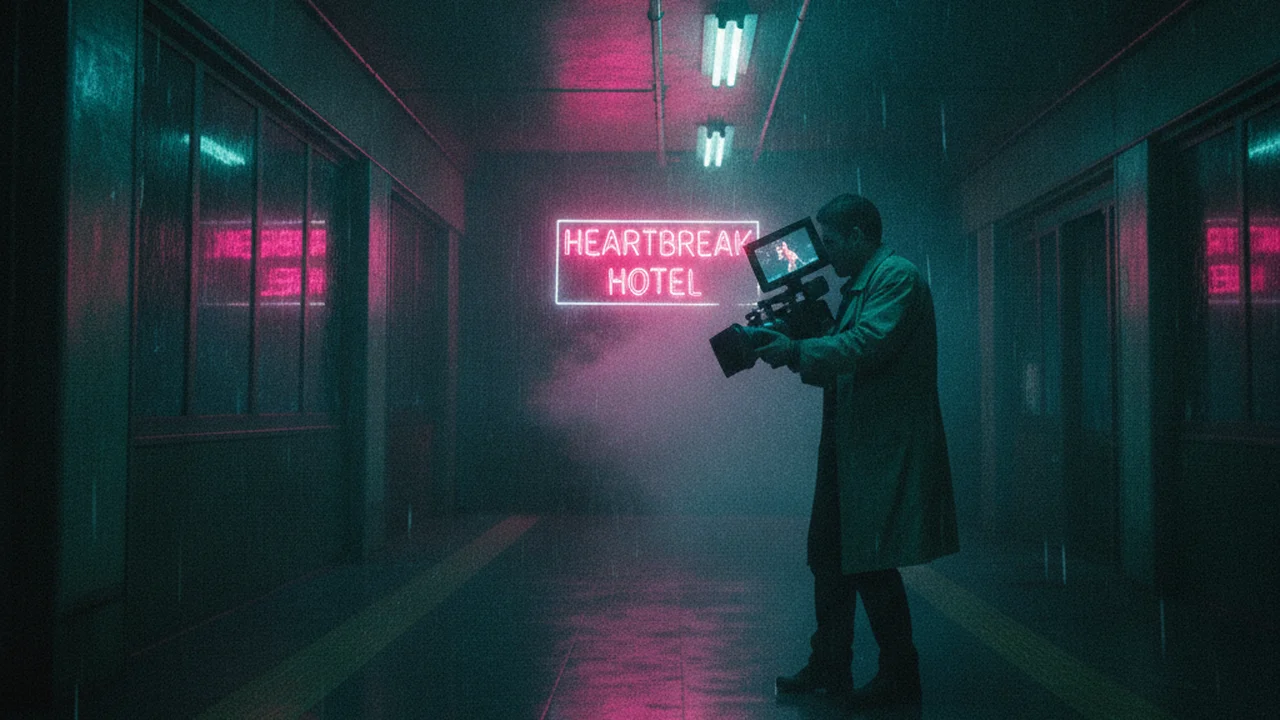
Available Light refers to the use of existing light sources—natural daylight, streetlights, neon tubes—without supplemental film lighting.

Technical Details

Available Light requires highly sensitive recording material from ISO 800 or digital sensors with low-light capabilities up to ISO 25,600. Modern cameras like the Sony FX6 achieve native ISO values of 12,800 with acceptable noise behavior. Lenses with apertures from f/1.4 to f/0.95 compensate for weak illumination levels. Color temperatures fluctuate uncontrollably between 2700K (incandescent lamps) and 6500K (daylight), necessitating precise white balance workflows or mixed-light corrections in post-production.

History & Development

The Nouvelle Vague revolutionized Available Light starting in 1959 with films like "Breathless," shot on Kodak Tri-X (ASA 400). Jean-Luc Godard and Raoul Coutard deliberately eschewed studio lighting for documentary authenticity. The introduction of Zeiss Super Speed lenses (T1.3) in 1976 and digital sensor technology from 2000 onwards significantly expanded the technical possibilities. Netflix's technical standards have accepted Available Light productions with a minimum resolution of 4K UHD since 2018.

Practical Application in Film

Stanley Kubrick utilized Available Light in "Barry Lyndon" (1975) with special Zeiss f/0.7 lenses for candlelight scenes. Lars von Trier shot "Dogville" (2003) entirely with available light on minimalist sets. Modern low-budget productions like "Tangerine" (2015, iPhone 5s) demonstrate the potential of Available Light under extreme budget limitations. Disadvantages: Uncontrollable color temperatures, fluctuating illumination levels, and limited creative control require flexible camera work and extensive color correction.

Comparison & Alternatives

Available Light fundamentally differs from Practical Lights (visible light sources within the frame, but amplified for cinematic purposes) and Mixed Lighting (a combination of natural and artificial sources). LED panels like Arri SkyPanel or Aputure 600d today offer daylight-equivalent illumination with low power consumption. Available Light is suitable for documentary aesthetics, guerrilla productions, or artistic authenticity, while controlled lighting remains indispensable for demanding visual concepts or tight schedules.
From the crafts

Perspectives

Cinematographer

Ich arbeite bei Available Light grundsätzlich mit offener Blende und erhöhten ISO-Werten, was die Schärfentiefe drastisch reduziert und präzises Fokussieren erschwert. Die unkontrollierbaren Farbtemperaturen zwingen mich zu komplexen Weißabgleich-Setups oder ich akzeptiere bewusst den Mixed-Light-Look als Stilmittel. Meine Kamerabewegungen müssen sich komplett dem vorhandenen Licht anpassen, nicht umgekehrt.

Director

Available Light gibt meinen Szenen eine ungefilterte, dokumentarische Wahrhaftigkeit, die künstliche Beleuchtung nie erreicht - besonders wertvoll für intime Charaktermomente oder sozialrealistische Stoffe. Ich muss jedoch meine Inszenierung komplett um die Lichtverhältnisse planen und kann nicht spontan die Bildstimmung durch Beleuchtungsänderungen anpassen. Das erfordert präzise Location-Scouting zu verschiedenen Tageszeiten.

Producer

Available Light eliminiert komplette Gewerke - keine Beleuchtungsmiete, kein Gaffer-Team, reduzierter Stromverbrauch und kürzere Aufbauzeiten senken meine Produktionskosten um 15-25%. Dafür investiere ich mehr Budget in hochwertige Low-Light-Kameras und rechne mit 20% längerer Postproduktion für aufwendige Farbkorrektur. Die Drehorte sind flexibler wählbar, da keine Stromanschlüsse für Scheinwerfer nötig sind.

More in the lexikon

Related terms

Test your knowledge

Quiz

1. Was beschreibt „Available Light" am besten?

2. Zu welchem Department gehört „Available Light"?

3. Wie viele verschiedene Fachperspektiven bietet dieser Eintrag?

Report an error
From the Filmfarm ecosystem

Understand visual language, budget productions, connect crew.

The Lexikon is part of the Filmfarm ecosystem — alongside budgeting (FilmBalance), an industry magazine (FilmCircus) and crew networking (FilmCall, CrewMesh). One shared vocabulary for the whole production.

FilmFarm FilmRadarComing soonFilmPulseComing soonFilmNumbersComing soonFilmCapitalComing soonFilmLabComing soonFilmBalanceComing soonFilmCircusComing soon