Cinematographer
1.66:1 gives us more side room than Academy standards, but remains more moderate than Cinemascope. It's ideal for subtle, realistic lighting design.
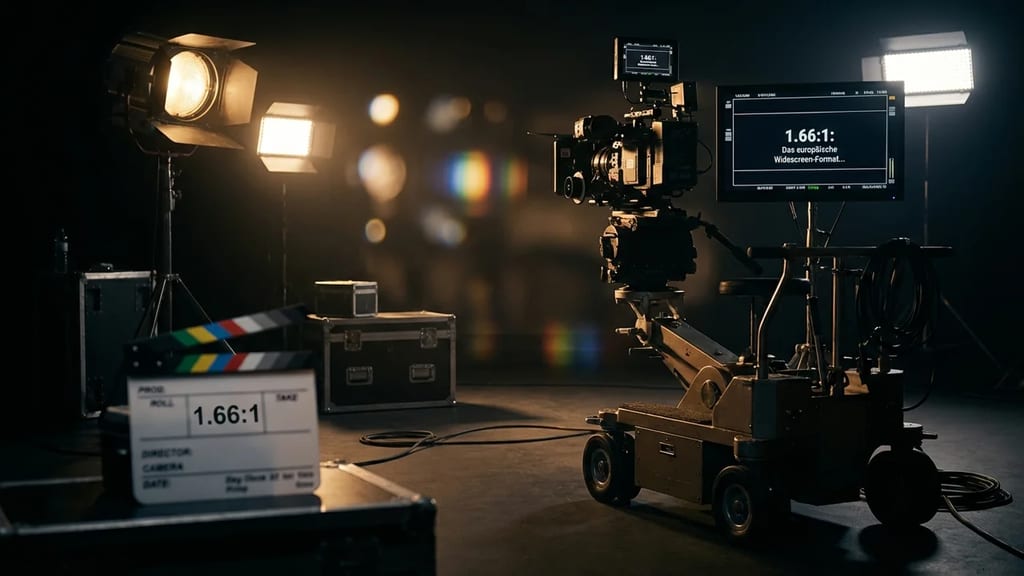
European widescreen format 1.66:1, standard for European cinemas from the 1960s. A compromise between the square Academy standard (1.33:1) and extreme Cinemascope (2.35:1), preferred in Europe, India, and other regions.
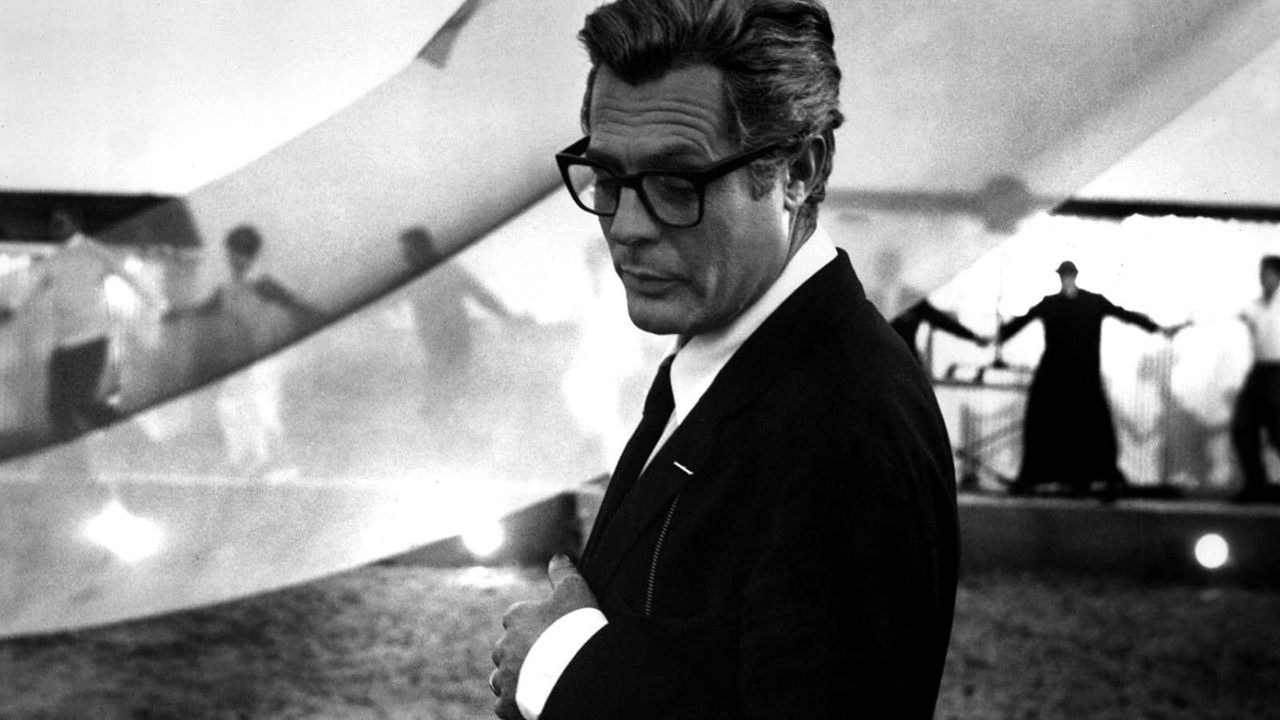
Fellini's masterpiece was shot in 1.66:1, demonstrating how the European widescreen ratio provides enough room for surreal dream sequences while preserving the intimacy of the frame.
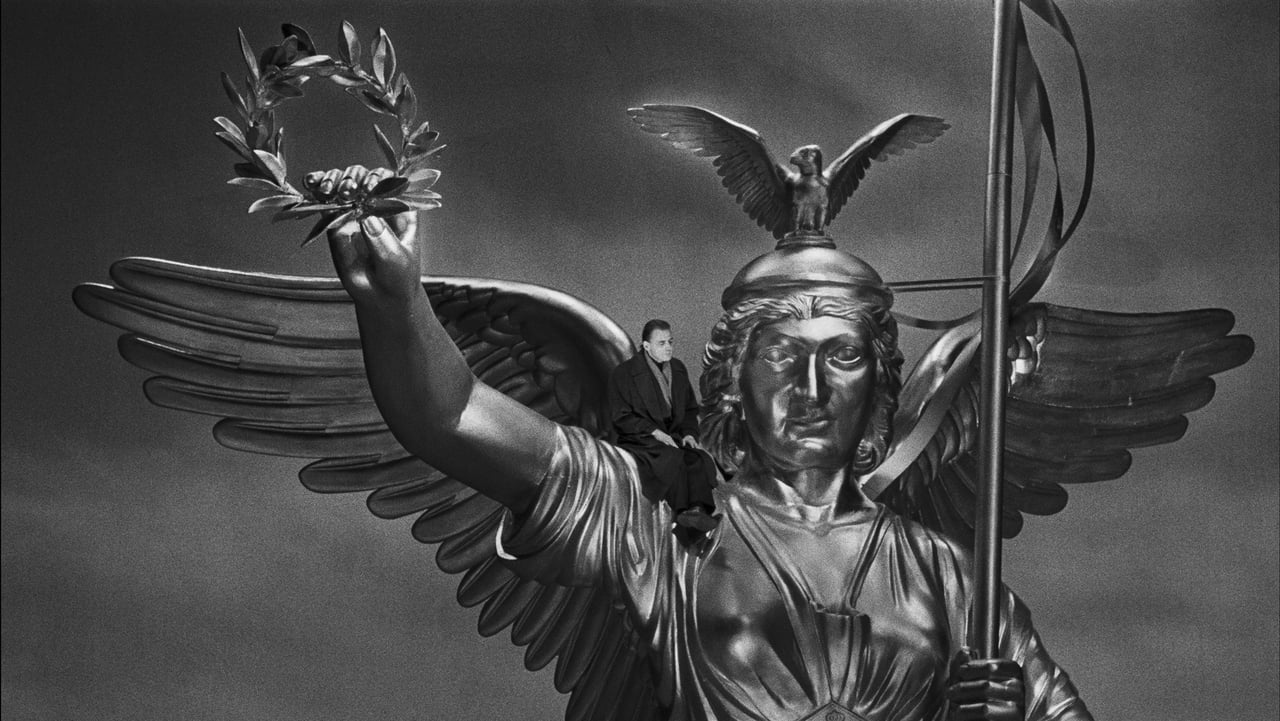
Wenders and Alekan used the 1.66:1 ratio to capture divided Berlin in a frame that feels neither too tight nor too panoramic – a characteristically European middle ground.
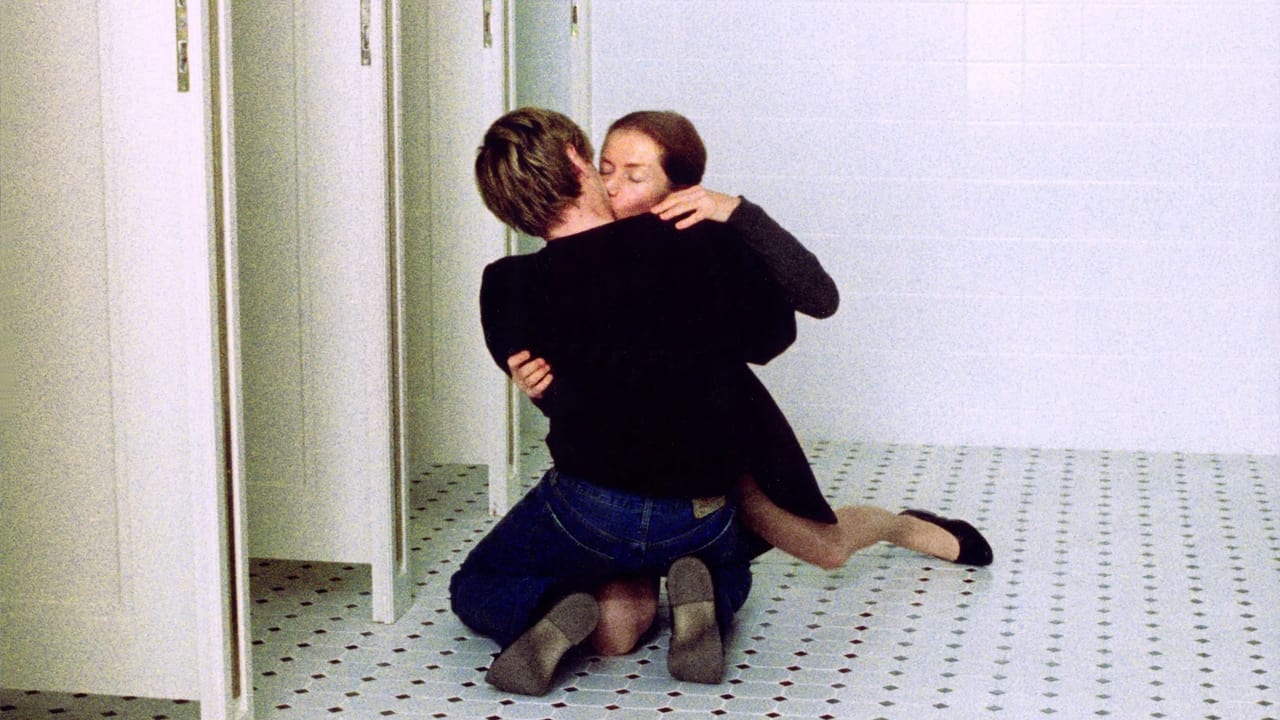
Haneke and Berger employed the 1.66:1 ratio to merge the claustrophobic intimacy of chamber drama with the horizontal tension of widescreen – a paradox made possible by the European format.
Maren Ade's award-winning film was shot in 1.66:1, demonstrating that this European standard remains vital in contemporary art cinema, creating space for nuanced character relationships.

Film stills sourced via the TMDB API. This product uses the TMDB API but is not endorsed or certified by TMDB. themoviedb.org ›
The 1.66:1 format was established as the European standard from the late 1950s / early 1960s. It was a reaction to the widescreen revolution (Cinemascope from 1953), but with European restraint.
Development Context:
Why 1.66:1 in Europe?
Aspect Ratio Specifications:
Realization:
Projector Standard:
The 1.66:1 format has been largely replaced by 1.85:1 and 2.35:1 in modern cinema, but is still used:
Regional Usage:
Current Productions:
Why the Replacement:
| Standard | Ratio | Region | Cinema Era | Characteristics |
|---|---|---|---|---|
| 1.33:1 | Academy | USA/Global | 1932-1980 | Classic, square |
| 1.66:1 | European | Europe | 1960-1995 | Balanced, artistic |
| 1.85:1 | American | USA/Global | 1970-Present | Modern Standard |
| 2.35:1 | Cinemascope | Epic/Global | 1953-Present | Extreme Widescreen |
| 2.20:1 | Panavision | Alternative | 1970-Present | Premium Widescreen |
Technical Differences:
| Aspect | 1.66:1 | 1.85:1 | 2.35:1 |
|---|---|---|---|
| Height to Width | 60% | 54% | 43% |
| Film Usage | Full 35mm | Full 35mm | Anamorphic/VistaVision |
| Projection | Spherical | Spherical | Anamorphic De-squeeze |
| Light Efficiency | Higher | Medium | Lower (Anamorphic) |
| Trend Direction | Decreasing | Decreasing | Increasing |
Famous Films in 1.66:1:
(Note: Many of these films were later re-released in different ratios)
For Filmmakers:
For Viewers:
Modern digital productions aiming to simulate 1.66:1:
Standards and Documentation:
Related Entries:
1.66:1 gives us more side room than Academy standards, but remains more moderate than Cinemascope. It's ideal for subtle, realistic lighting design.
1.66:1 is a European philosophy: it preserves intimacy while allowing more width for visual storytelling. Popular in art-house cinema and psychological dramas.
1. Was beschreibt „Europäisches Breitbildformat / 1.66:1" am besten?
2. Zu welchem Department gehört „Europäisches Breitbildformat / 1.66:1"?
3. Wie viele verschiedene Fachperspektiven bietet dieser Eintrag?
The Lexikon is part of the Filmfarm ecosystem — alongside budgeting (FilmBalance), an industry magazine (FilmCircus) and crew networking (FilmCall, CrewMesh). One shared vocabulary for the whole production.