Filmlexikon.
Support
1.85:1
Camera · Technique

1.85:1

Murnau AI illustration
2351 2391 4 perf academy ratio cinemascope spherical lens

Standard widescreen format for North American productions using a 1.85:1 aspect ratio, achieved via top/bottom matte on 4-perf 35mm. Moderate widescreen aesthetic suited for dialogue-driven dramas and character studies.

In film history

Famous examples · 1.85:1

Curated examples across cinema history that illustrate the term — from compositional principle to deliberate refusal.
01 / FLAT FORMAT, DEEP ISOLATION

The Graduate

Mike Nichols · 1967 · Robert Surtees

Nichols and Surtees masterfully used the 1.85:1 frame to isolate Benjamin Braddock in wide, empty fields – the moderate width emphasizes loneliness without the drama of a Scope format.

The Graduate · sample frame
02 / DIALOGUE IN FLAT WIDESCREEN

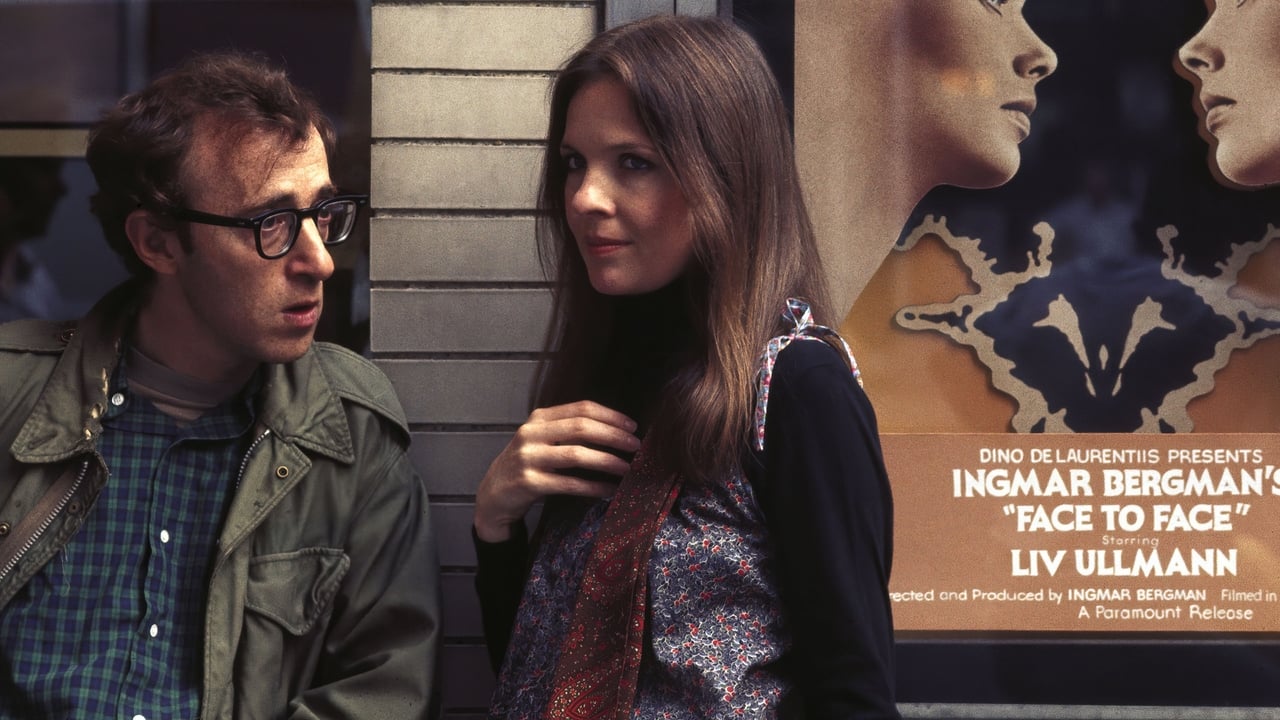
Annie Hall

Woody Allen · 1977 · Gordon Willis

Gordon Willis' camerawork in 1.85:1 creates precisely framed two-person scenes where the format gives characters enough room without losing them – a prime example of dialogue-driven flat cinema.

Annie Hall · sample frame
03 / WHITE EXPANSES IN FLAT FORMAT

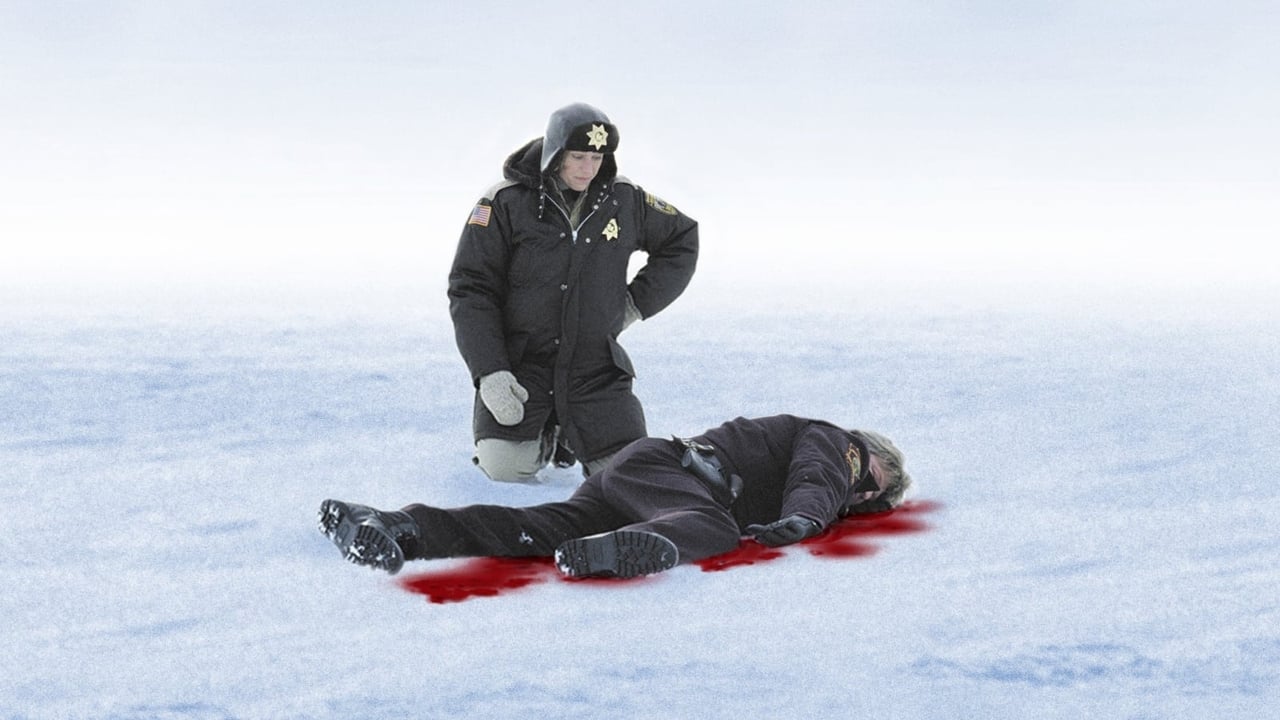
Fargo

Joel Coen · 1996 · Roger Deakins

Roger Deakins used 1.85:1 to capture Minnesota's endless snowscapes – the format provides enough horizontal expanse for the landscape while retaining intimacy for character study.

Fargo · sample frame
04 / COMING-OF-AGE IN CLASSIC FLAT

Lady Bird

Greta Gerwig · 2017 · Sam Levy

Sam Levy's work in 1.85:1 underscores the intimate, character-centred narrative – the North American standard format lends the film a classical cinematic quality that perfectly matches the story's emotional immediacy.

Lady Bird · sample frame

Film stills sourced via the TMDB API. This product uses the TMDB API but is not endorsed or certified by TMDB. themoviedb.org ›

Technical Specifications

The 1.85:1 aspect ratio is achieved by horizontally projecting 4-perf 35mm film with a top/bottom mask. The projected image utilizes the full width of the 35mm frame (22mm) but is vertically masked to a height of approximately 12mm.

Technical Parameters:

  • Negative Utilization: Approx. 48% of the 4-perf frame
  • Projected Resolution: 22mm x 12mm on 35mm
  • Pixel Equivalent (4K DI): 3996 x 2160 pixels (1.85:1)
  • Angle: Widescreen, but less extreme than Scope

Digitally, 1.85:1 is created through sensor cropping or post-cropping. ARRI Alexa offers a native 1.85:1 sensor mode, while RED cameras require post-cropping. Most Netflix and Amazon productions are shot in 1.85:1 or 2.00:1.

History & Development

1.85:1 was introduced in 1953 by Paramount Pictures as a response to the growing TV audience – cinema needed wider images to differentiate itself from 4:3 television. Unlike CinemaScope, 1.85:1 did not require special lenses or projectors.

The introduction was pragmatic: cinemas projected 35mm with top and bottom masking. The "Flat" format (so named in contrast to "Scope") quickly became the US industry standard for drama, comedy, and action films.

In the 1980s-90s, 1.85:1 solidified as the format for "serious" Hollywood dramas, while Scope remained reserved for spectacle. Today, 1.85:1 remains the dominant format for dialogue-intensive productions.

Practical Use in Film

Steven Spielberg's "Schindler's List" (1993) consciously uses 1.85:1 – the format allows for intimate facial close-ups with enough surrounding environment for historical context. DP Janusz Kamiński chose 1.85:1 for emotional proximity rather than epic distance.

Martin Scorsese's "The Departed" (2006) showcases the strength of 1.85:1 for ensemble dramas – dialogue in confined spaces benefits from the vertical generosity. Over-the-shoulder shots have natural breathing room.

Christopher Nolan's "Interstellar" (2014) alternates between 1.43:1 IMAX and 2.35:1 Scope, but uses 1.85:1 for more intimate earthbound scenes – the format signifies emotional grounding.

Variants & Related Formats

1.78:1 (16:9): HDTV standard, minimally narrower than 1.85:1. Streaming productions often shoot in 1.78:1 for lossless TV playback.

1.90:1 (IMAX Digital): Slightly wider than 1.85:1, used for IMAX laser presentations.

2.00:1 (Univisium): Vittorio Storaro's compromise format between 1.85:1 and 2.39:1, popular with Netflix Originals.

The main advantage of 1.85:1 remains its versatility – wide enough for cinematic aesthetics, vertically generous for faces, and optimal for 16:9 home cinema playback.

From the crafts

Perspectives

Cinematographer

1.85:1 is my go-to aspect ratio for character dramas – wide enough for visual context, but with generous vertical space for faces. Technically, it comes from a top/bottom mask on 4-perf 35mm, utilizing only 48% of the negative. I always frame with 1.85:1 lines in the viewfinder and leave 5-10% headroom for DI correction. The vertical generosity allows for over-the-shoulder shots with more breathing room than 2.39:1.

Director

1.85:1 is the format for intimate dramas and character studies – Spielberg, Scorsese, Nolan choose it for films that emphasize human interaction. The moderate width doesn't distract from the face, but allows enough environment for mood. I choose 1.85:1 when the story is more important than the spectacle, when dialogue dominates, and when close-ups are emotionally central.

Producer

1.85:1 is budget-friendly – no anamorphic lenses are needed, standard spherical optics suffice. The release prints are cheaper than Scope formats. For TV distribution, 1.85:1 is optimal – minimal letterboxing on 16:9 screens (just small black bars). Post-production is simpler, as no de-squeeze conversion is required.

More in the lexikon

Related terms

Test your knowledge

Quiz

1. Was beschreibt „1.85:1 (Flat)" am besten?

2. Zu welchem Department gehört „1.85:1 (Flat)"?

3. Wie viele verschiedene Fachperspektiven bietet dieser Eintrag?

Report an error
From the Filmfarm ecosystem

Understand visual language, budget productions, connect crew.

The Lexikon is part of the Filmfarm ecosystem — alongside budgeting (FilmBalance), an industry magazine (FilmCircus) and crew networking (FilmCall, CrewMesh). One shared vocabulary for the whole production.

FilmFarm FilmRadarComing soonFilmPulseComing soonFilmNumbersComing soonFilmCapitalComing soonFilmLabComing soonFilmBalanceComing soonFilmCircusComing soon