Technical Details
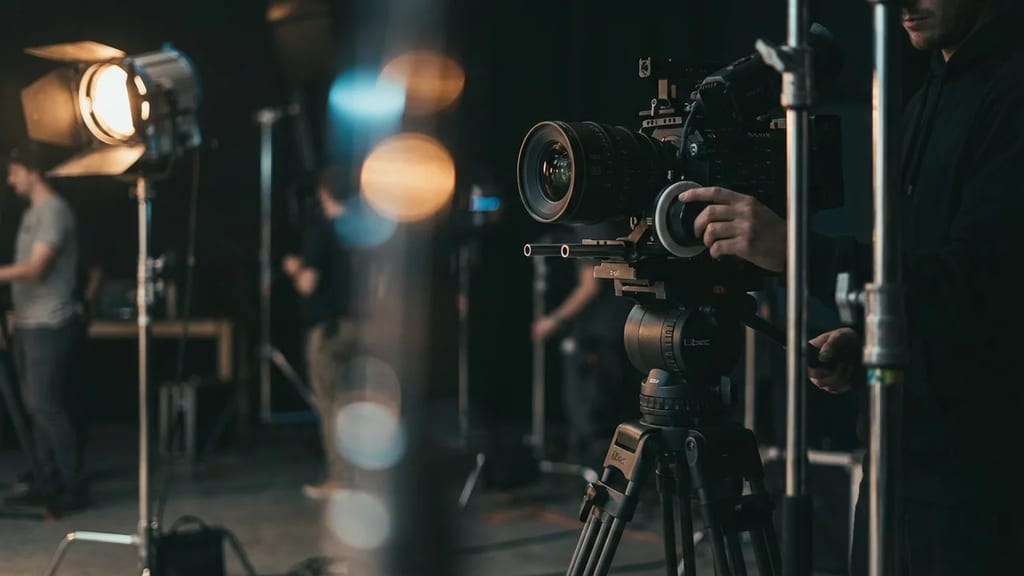
Libec tripods utilize a patented counterbalance system with up to 7+0 stages on premium models like the LX7. The fluid heads operate with temperature-stable silicone oils, ensuring consistent damping from -40°C to +60°C. Typical pan ranges are 360° continuous, with tilt ranges between +90° and -70°. The legs are constructed from carbon composite or aluminum with twist-lock mechanisms, allowing working heights of 62-156 cm.
Product lines include studio pedestal systems (P-series), ENG tripods (RS-series), and compact documentary systems (TH-series). Each head features separate pan and tilt damping settings from 0-7, where stage 0 signifies free movement and stage 7 indicates maximum damping.
History & Development
In 1976, Ikegami Tsushinki developed the first Libec tripod series for their own broadcast cameras. 1983 saw the market launch of the first counterbalance head, the LH-35, which revolutionized ENG workflows. By 1995, Libec had established itself as an independent brand outside Japan.
In 2008, Libec introduced the Quick Release (QR) system, followed in 2015 by the first Touch and Go series for DSLR cameras. In 2020, the company presented remote head systems for live streaming and virtual production.
Practical Use in Film
Documentary filmmakers appreciate Libec tripods for their ability to achieve handheld-like movements while maintaining a stable base. Christopher Nolan's camera teams used Libec LX7 heads for precise tilt movements in "Dunkirk" (2017). The BBC Natural History Unit employs RS-250 systems for wildlife filming, as they perform reliably even in extreme temperatures.
In studios, Libec pedestal systems enable fluid camera movements during live shows. ZDF and ARD use P-110 pedestals for talk show productions. The low latency between operator input and camera movement makes them ideal for live broadcasts.
Comparison & Alternatives
Libec competes directly with Sachtler, Vinten, and Miller. While Sachtler heads offer more precise counterbalance systems, Libec excels in value for money and robustness. Vinten systems dominate the high-end broadcast market, while Miller is prominent in documentary equipment.
Modern alternatives include gimbal systems like the DJI Ronin, which however do not offer comparable precision for static shots. Remote heads from Mo-Sys replace traditional tripods in virtual production environments but do not achieve the tactile control of manual Libec heads.