Filmlexikon.
Support
Cutting on Dialogue
Sound · Terms

Cutting on Dialogue

Murnau AI illustration
axial cut cross cut cross cutting cut cutter cutting on movement cutting rhythm director s cut

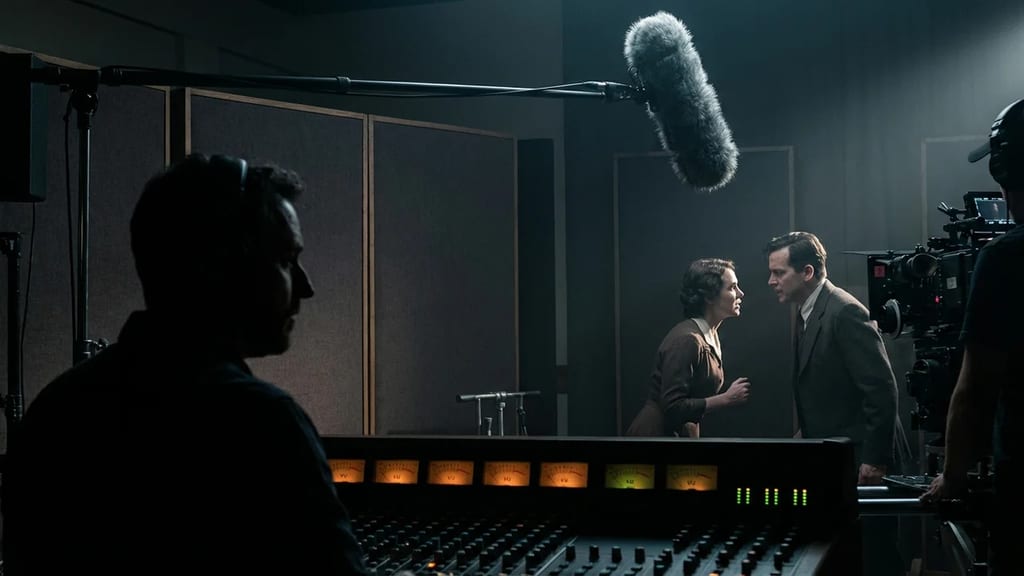
Editing technique cutting 3–8 frames after stressed words to heighten dramatic tension and compensate for natural perceptual lag.

Technical Details

The cut typically occurs 3-8 frames after an emphasized word or syllable is spoken, to compensate for the natural delay in visual perception. At 24fps, this corresponds to a shift of 125-333 milliseconds. Modern editing systems like Avid Media Composer or DaVinci Resolve offer audio waveform displays with zoom factors down to 1:1 sample level, enabling precise cut points within phonemes. The technique requires exact synchronization between audio and video tracks with frame-accurate precision.

History & Development

Jean-Luc Godard revolutionized dialogue cutting in 1960 with "À bout de souffle" through his jump cuts in the middle of conversations. Sergio Leone perfected the technique in the 1960s in his Spaghetti Westerns, particularly in close-ups during confrontations. The Nouvelle Vague established cutting on dialogue as a stylistic device against the rigid conventions of classic Hollywood cinema. With the introduction of digital editing suites from the 1990s onwards, frame-accurate editing became more accessible, allowing for more subtle applications of the technique.

Practical Application in Film

In Quentin Tarantino's "Pulp Fiction" (1994), cuts during Jules' Ezekiel monologue enhance the scene's religious intensity. Christopher Nolan's "The Dark Knight" (2008) uses the technique in the Joker's interrogation scene to visualize his unpredictability. The workflow requires separate audio and video tracks in the editing system, with the emotional peak in the dialogue being identified first. Advantage: increased dramatic tension and rhythm. Disadvantage: can be jarring if overused and may impair dialogue intelligibility.

Comparison & Alternatives

An L-cut allows audio to continue over a picture change, while a J-cut shows the new picture before its corresponding audio track – neither cuts within the dialogue itself. Match cuts visually connect similar shots but usually occur during pauses in speech. Cross-cutting alternates between parallel actions, not within individual dialogue sequences. For expository dialogue with low emotional content, classic shot-reverse-shot patterns are preferred, while action-oriented conversations benefit from cutting on dialogue.
From the crafts

Perspectives

Cinematographer

Ich plane bereits beim Dreh multiple Coverage-Optionen für Dialog-Schnitte, da die Technik oft spontan im Schneideraum entsteht. Besonders bei Handkamera-Sequenzen achte ich darauf, dass Bewegungen und Blickrichtungen auch bei Jump Cuts noch funktionieren. Die Beleuchtung muss zwischen den Takes konsistent bleiben, da selbst minimale Unterschiede bei Dialog-Schnitten sofort auffallen.

Director

Ich nutze Schnitte im Dialog gezielt, um Subtext zu visualisieren – wenn ein Charakter lügt, schneide ich auf das entscheidende Wort und enthülle seine wahren Gefühle durch die Reaktion. Diese Technik zwingt das Publikum, aktiver zuzuhören und verstärkt die emotionale Bindung zur Figur. In Konfrontationsszenen baue ich damit Spannungsbögen auf, die über reine Shot-Reverse-Shot-Mechanik hinausgehen.

Producer

Dialog-Schnitte erfordern mehr Drehtage, da ich zusätzliche Coverage und Sicherheitstakes einplanen muss – typischerweise 15-20% mehr Material pro Dialogszene. Im Post verlängert sich die Schnittzeit um etwa 30%, da jeder Cut frame-genau justiert werden muss. Dafür spare ich bei VFX-Kosten, da die Technik rein durch Montage funktioniert und keine zusätzlichen visuellen Effekte benötigt.

More in the lexikon

Related terms

Test your knowledge

Quiz

1. Was beschreibt „Schnitt im Dialog" am besten?

2. Zu welchem Department gehört „Schnitt im Dialog"?

3. Wie viele verschiedene Fachperspektiven bietet dieser Eintrag?

Report an error
From the Filmfarm ecosystem

Understand visual language, budget productions, connect crew.

The Lexikon is part of the Filmfarm ecosystem — alongside budgeting (FilmBalance), an industry magazine (FilmCircus) and crew networking (FilmCall, CrewMesh). One shared vocabulary for the whole production.

FilmFarm FilmRadarComing soonFilmPulseComing soonFilmNumbersComing soonFilmCapitalComing soonFilmLabComing soonFilmBalanceComing soonFilmCircusComing soon