Technical Details
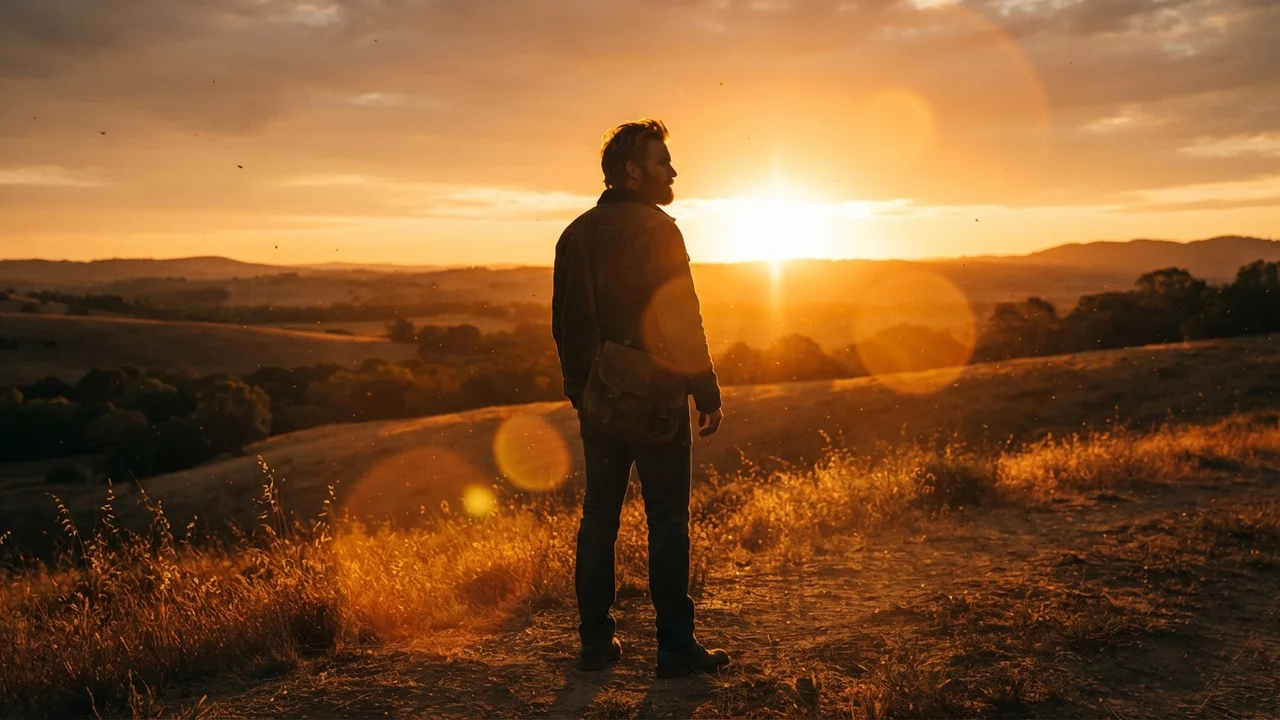
The light intensity of the backlight source is typically between 2000-10000 lux, while fill light illuminates the subject from the front with 200-800 lux. For digital cameras, this technique requires precise exposure metering using a spot meter, as automatic matrix metering fails due to the extreme brightness difference. Rim Light is created at a distance of 30-45° from the direct back line, True Backlight at an exact 180° position. Modern LED panels with 95+ CRI enable controllable backlight effects without the color temperature issues of classic tungsten spotlights.
History & Development
The first documented backlight shots were created in 1915 in Cecil B. DeMille's "The Cheat," where cinematographer Alvin Wyckoff deliberately used window light as a backlight source. In 1927, F.W. Murnau perfected the technique in "Sunrise" by using 10kW carbon arc lamps. In 1941, Gregg Toland established backlight as a narrative stylistic device with "Citizen Kane" and developed special diffusion filters to reduce contrast. The introduction of zoom lenses in the 1960s intensified lens flare effects, which were later reproduced digitally.
Practical Use in Film
Steven Spielberg systematically uses backlight for emotional climaxes: In "E.T." (1982), the bicycle light in backlight enhances the magic of the flying sequence; in "Schindler's List" (1993), Janusz Kamiński isolates Oskar Schindler from the background with hard backlight. In "Blade Runner" (1982), Ridley Scott combines backlight with fog effects (dry ice) for a dystopian atmosphere. The technique requires additional fill light from reflectors or LED panels, as faces would otherwise remain underexposed by -3 to -5 stops. Lens hoods prevent unwanted stray light effects.
Comparison & Alternatives
Rim Light partially outlines the subject, while Backlight creates complete silhouettes. Edge Light works with a side-rear angle of 120-135° for more subtle contours. Motivated Light from practicals (windows, lamps, candles) serves as an alternative for more natural backlight effects. Digital color grading tools simulate backlight effects in post-production but do not achieve the authentic light scattering of real optics. Artificial Backlight using LED walls (Volume Stages) is increasingly replacing classic spotlight setups and allows for precise color temperature control from 2700K to 6500K.