Filmlexikon.
Support
15-Perf 65mm / IMAX Film
Camera · Technique

15-Perf 65mm / IMAX Film

Murnau AI illustration
65mm 70mm 1431 imax

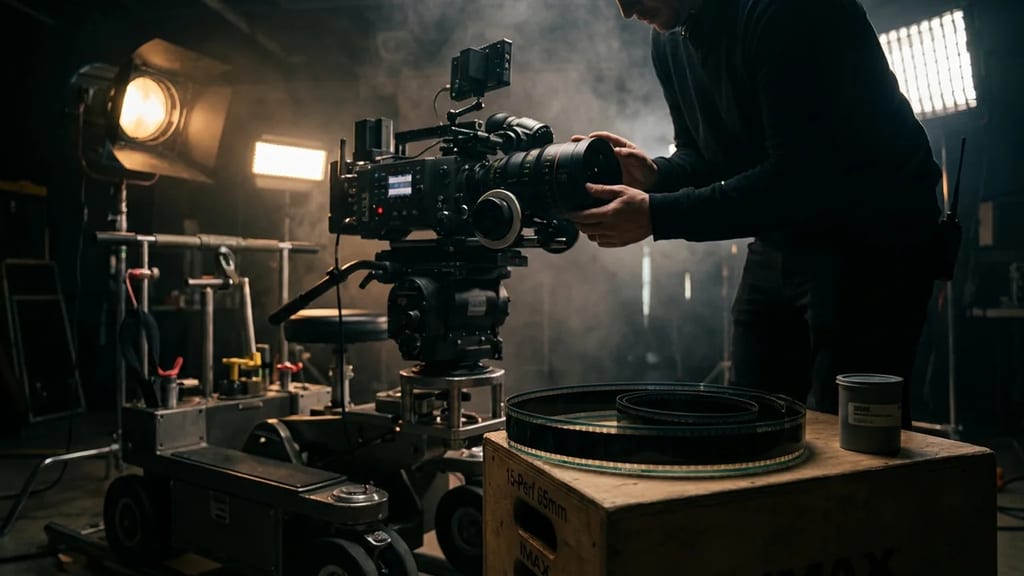
65mm film stock, 15 perforations per frame. IMAX standard. Image resolution equivalent to ~18K digital — demands specialized cameras and strict on-set handling discipline. Few productions sustain the logistics.

In film history

Famous examples · 15-Perf 65mm / IMAX Film

Curated examples across cinema history that illustrate the term — from compositional principle to deliberate refusal.
01 / THE BIRTH OF THE FORMAT

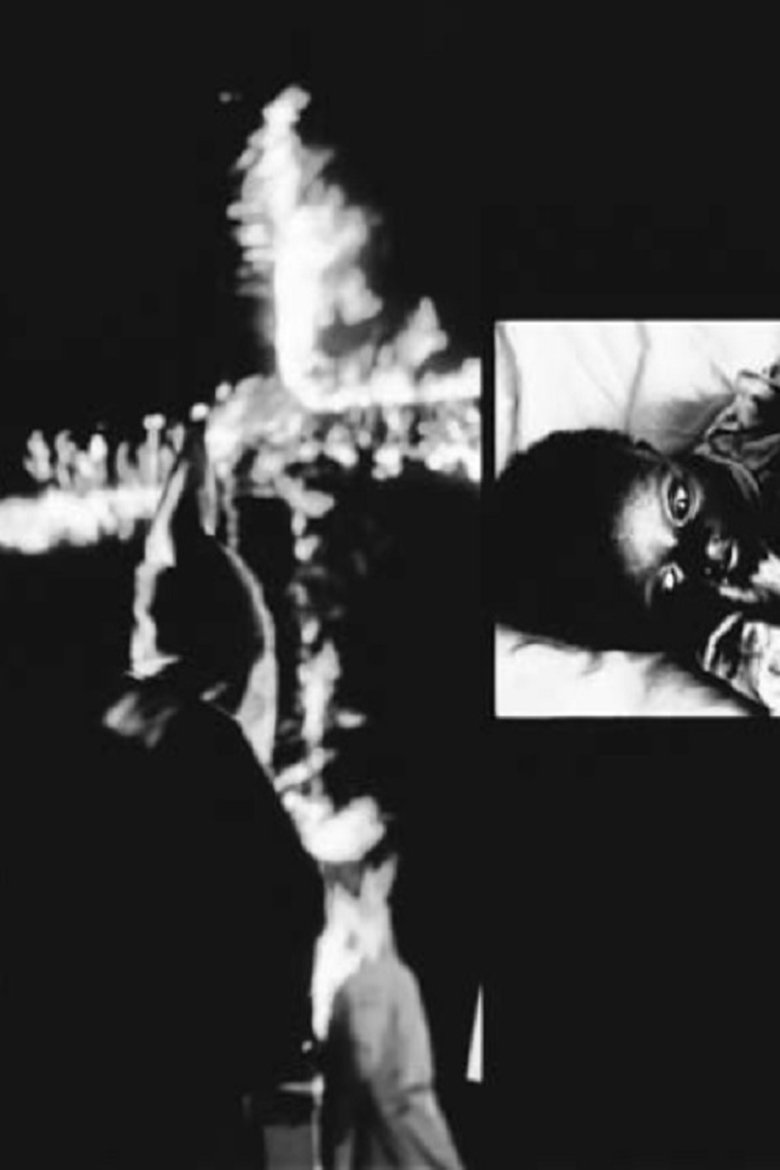
Tiger Child

Donald Brittain · 1970 · Graham Ferguson

Tiger Child was the first publicly projected 15-Perf 65mm film, premiered at Expo '70 in Osaka – it marks the historical starting point of the IMAX format as a projection standard.

Tiger Child · sample frame
02 / IMAX ENTERS THE MAINSTREAM FEATURE FILM

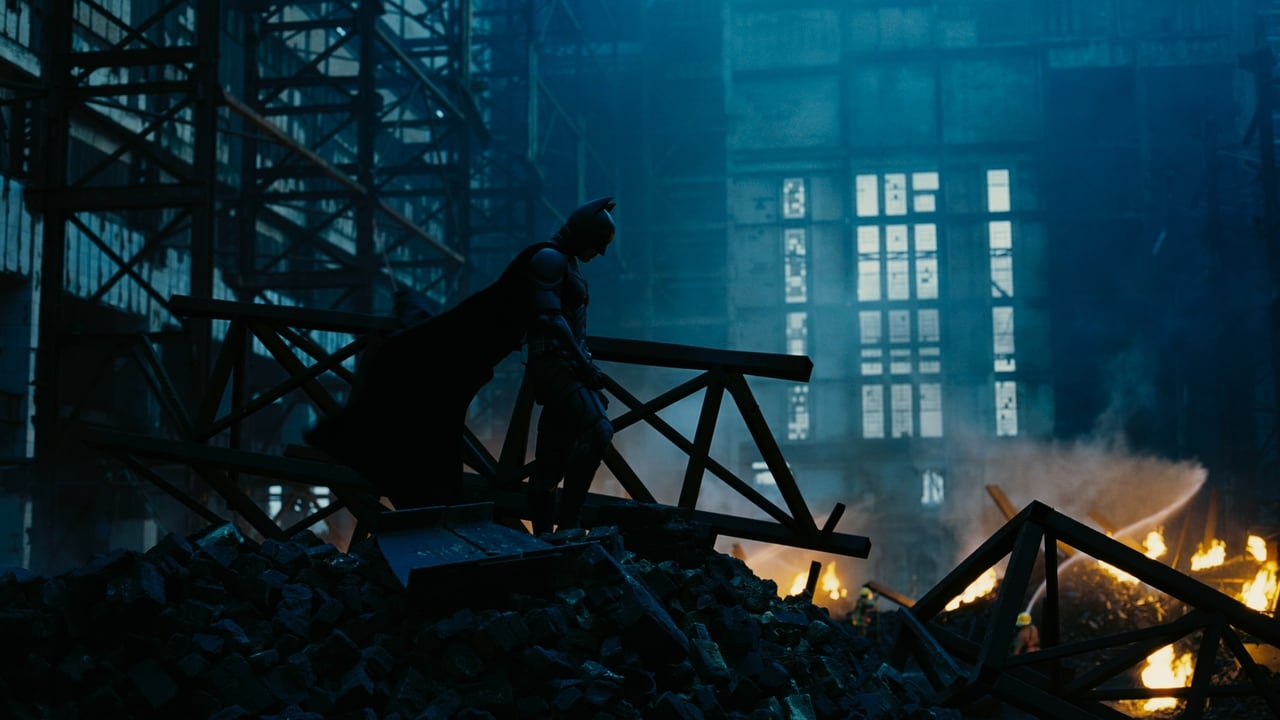
The Dark Knight

Christopher Nolan · 2008 · Wally Pfister

Christopher Nolan and cinematographer Wally Pfister shot significant feature-film sequences on 15-Perf 65mm for the first time, including the legendary bank-robbery prologue – a turning point for the format in cinema history.

The Dark Knight · sample frame
03 / 18K RESOLUTION AS NARRATIVE TOOL

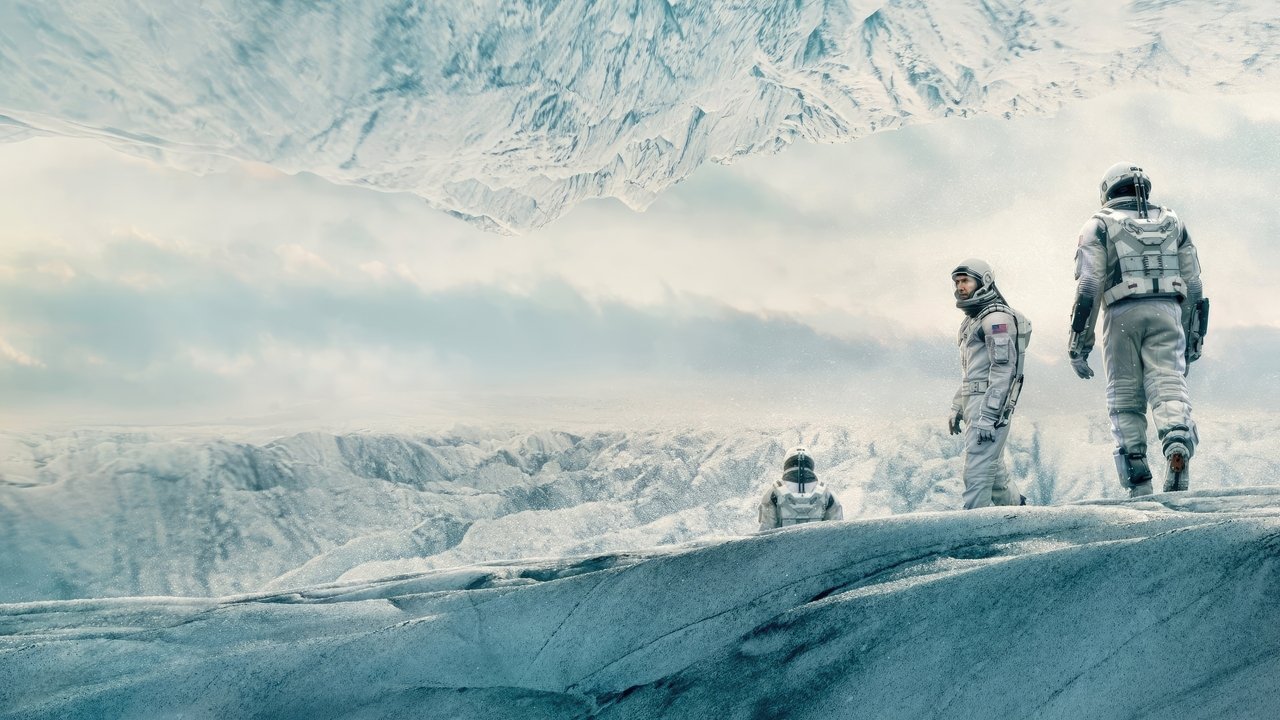
Interstellar

Christopher Nolan · 2014 · Hoyte van Hoytema

Hoyte van Hoytema photographed large portions of Interstellar on 15-Perf 65mm, using the native 18K resolution to render cosmic expanses and physical phenomena with an image depth no digital format can match.

Interstellar · sample frame
04 / THE LARGEST FILM IMAGE OF THE PRESENT

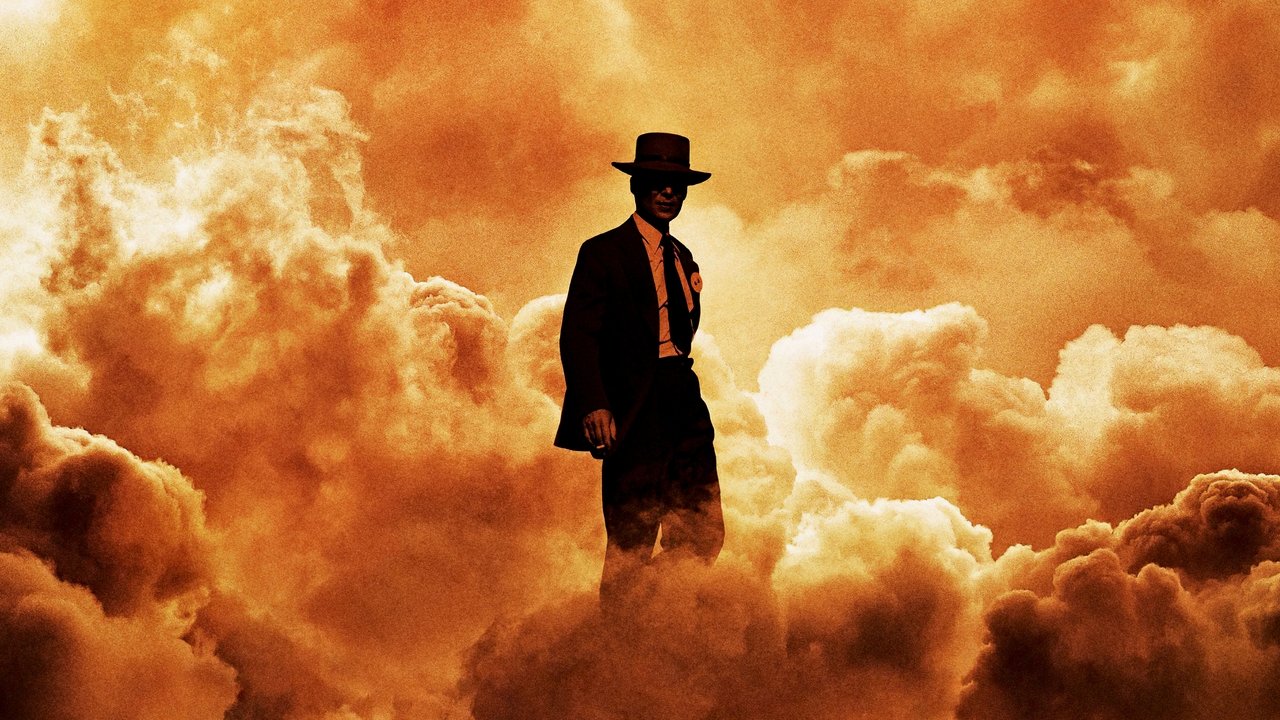
Oppenheimer

Christopher Nolan · 2023 · Hoyte van Hoytema

Oppenheimer was shot entirely on analog 15-Perf 65mm and 5-Perf 65mm – a statement for the physical superiority of the format over digital projection and a milestone of modern IMAX cinematography.

Oppenheimer · sample frame

Film stills sourced via the TMDB API. This product uses the TMDB API but is not endorsed or certified by TMDB. themoviedb.org ›

History

The 15-perf 65mm format is directly linked to the founding of IMAX:

Technical Development:

  • 1967: IMAX Corporation establishes new camera specification
  • 1968-1970: First prototype 15-perf 65mm cameras (Panavision-based)
  • 1970: First public projection Expo '70 in Japan
  • 1975: Series production of Panavision IMAX 65mm cameras begins
  • 1980s: Established as the standard for IMAX productions
  • 1990s: Digital alternatives discussed, but 15-perf remains superior
  • 2000s: Return to 15-perf by high-budget blockbusters
  • 2009+: Christopher Nolan's renaissance of the format

Standard Setting:

  • IMAX Corporation set the technical specifications
  • Panavision became the de facto equipment monopoly
  • 15 perforations per frame became the central distinguishing feature

Technical Details

Film Stock Specifications:

Physical Dimensions:

  • Film Width: 65mm (unperforated)
  • Effective Image Width: 69.7mm (with perforations)
  • Image Height: 48.8mm (15 perforations × 3.23mm perforation size)
  • Frame Area per Frame: 69.7mm × 48.8mm
  • Effective Resolution: Equivalent to ~18000 × 12600 pixels (18K)

Perforation (Hole) Specification:

  • Perforations per Frame: 15 (vertical)
  • Perforation Size: 3.23mm × 2.54mm (Standard)
  • Perforation Pitch: 3.51mm (hole-to-hole distance)
  • Material: Polyester film or triacetate celluloid
  • Thickness: 0.178mm (Standard DIN)

Film Reels and Magazines:

  • Panavision Platinum Magazines: 2.5-5 minutes running time
  • Large Magazines: Up to 15 minutes possible
  • Standard Magazine: 1000-1200 feet (approx. 3-4 min @ 24fps)
  • "Mag-to-Mag" Changeover: ~5-10 minutes production stop

Speed and Timing:

  • Framerate: 24fps standard (= 2.16cm/s film pull)
  • Film Pull Speed: 190 cm/s (6× faster than 35mm standard)
  • Magazine Loading Time: ~30 minutes
  • Winding Time per Magazine: ~10 minutes (to lab or management)

Lens Compatibility:

  • Focal Length Markings: Modified for 65mm sensor area
  • Lens Diameter: Larger than 35mm standard
  • Available Focal Lengths: 16mm to 600mm equivalent
  • Prime Lenses: Zeiss Master Primes, Cooke Anamorphics (specialized)
  • Zoom Lenses: Limited availability, specialized

Depth of Field (Critical!):

  • At f/2.8 (typical IMAX lighting): Depth of field ~ 2-5cm @ 1m
  • At f/4.0: Depth of field ~ 4-10cm @ 1m
  • At f/5.6: Depth of field ~ 7-15cm @ 1m
  • Conclusion: Focus precision is non-negotiable

Lighting Requirements:

  • Minimum Illumination: 2000-5000 Lux for comfortable focusing
  • T-Stop Performance: Modern lenses T/2.0-T/2.8 optimal
  • Lighting Philosophy: More 250W+ HMI/Daylight-based

Camera Models (Panavision Monopoly)

Main Models:

ModelYearSizeWeightMagazinesSpecial Feature
Panavision IMAX 651975Massive84kg5-MinOriginal
Panavision XL1999Very Large88kg10-MinUpdated
Panavision IMAX Digital2011HybridVariableMixedSensor-Hybrid
Panavision Millennium DXL2016Large45kgVariableModern Equivalent

Access:

  • Panavision primarily owns all IMAX 65mm cameras worldwide
  • Rental ~$25,000-40,000 per shooting day
  • Conditions: Accompanying Panavision technician required
  • Insurance: $100,000+ per camera

Usage Today

15-perf 65mm is only used in very high-budget blockbusters:

Christopher Nolan Films (Extreme User):

  • "Interstellar" (2014): ~40% of the film shot in IMAX
  • "Dunkirk" (2017): ~70% in IMAX
  • "Tenet" (2020): ~40% in IMAX
  • "Oppenheimer" (2023): ~50% in IMAX + IMAX Sound (new category)

Other High-Professional Use:

  • Marvel/Disney: Occasional IMAX scenes ("Eternals", "Quantumania")
  • IMAX Documentaries: National Geographic regularly
  • NASA/ESA Productions: Space documentaries
  • Large Format Film Archives: Restoration of old IMAX films

Why Such Limited Use?

  • Cost: 5-7× more expensive than standard 35mm
  • Specialized infrastructure required
  • Small magazines = less footage per day
  • Only Panavision stock available
  • Technical personnel specialized + expensive

Practical Workflow Challenges

On Set:

  • Magazine Loading Time: 30-45 min per change
  • Film Consumption: ~500 feet = 5 min @ 24fps
  • Production Pace: 1-2 scenes per shooting day realistic
  • Backup Cameras: 2-3 IMAX cameras required on location

Post-Production:

  • Digital Intermediate: Special 8K+ scanning required
  • Editing Systems: Red, Avid, DaVinci - all support, but specially calibrated
  • Storage Space: Per minute ~100-200GB uncompressed
  • Color Grading: Specialized IMAX quality control

Lab Processing:

  • Development: DuPont/Kodak specialized processes
  • Scanning: 8K scanning at Fotokem, Deluxe, or similar
  • Time Required: 1 week scan per film reel
  • Cost: $3,000-5,000 per hour of scanned material

15-Perf vs. Standard Formats

Aspect15-Perf 65mm4-Perf 35mmVistaVision
Film Width65mm35mm65mm
Image Height (Perfs)1548
Effective Resolution~18K~2-3K~8K
Depth of FieldExtremely shallowModerateShallow
Size vs. 35mm100× MaterialBaseline25× Material
Shooting Day Efficiency~1-2 Scenes~15-20 Scenes~5-8 Scenes
Project Cost++ BlockbusterStandard+ Premium

Interesting Lens Notes

Focal Length Perception on 65mm:

  • A 50mm lens on 65mm "feels like" ~35mm on 35mm
  • Wide-angle perception is radically different
  • Macro close-ups require special lenses
  • Zoom range is significantly limited on 65mm

Bokeh and Depth:

  • IMAX bokeh is legendary - very characteristic
  • Out-of-focus blur is more dramatic (larger sensor = more effect)
  • Portrait lenses have different characteristics
  • Anamorphic lenses for 65mm are rare and precious

Digital Alternatives and Future

Why does 15-perf remain despite 4K/8K digital?

  1. Optically Unsurpassed: 18K resolution exceeds current digital cameras
  2. Dynamic Range: Film historically has more latitude
  3. Longevity: Film archives longer than digital
  4. Artistic Preference: Filmic texture is Nolan/filmmaker priority
  5. Immersion: Larger format = larger screen = greater visual satisfaction

Digital 65mm Cameras (Future):

  • Panavision Millennium DXL: 8K digital, similar size
  • RED Komodo: Compact, but not 15-perf equivalent
  • Future Sensors: 20K+ possible, but infrastructure investment required

Further Information

Technical Standards:

  • SMPTE RP 486: 65mm film standards (perforation, material)
  • DIN 6868: German standards for film manufacturing
  • ISO 1649: International perforation standard
  • Panavision Proprietary Specifications (internal)

Related Entries:

  • IMAX Format 1.43:1 (Projection and Aspect Ratio)
  • 65mm Film Format (General)
  • 70mm Film Format (Todd-AO Standard)
  • Panavision (Camera Manufacturer)
  • Christopher Nolan (Artist and Advocate for the Format)

News

The practical challenges of 15-perf 65mm are evident in production: IMAX cameras generate significant noise, making dialogue recording difficult. Jordan Peele's 'Nope' (2022) demonstrated the format's capabilities by shooting the entire film on 65mm - in both 5-perf and 15-perf/IMAX configurations. The discussion around even larger formats highlights the physical limitations of analog film in maximizing resolution.

From the crafts

Perspectives

Cinematographer

15-perf 65mm is a completely different world – the camera weighs 80+ kg. Rental costs $20,000-30,000/day. Every take is expensive. Precision is existential.
More in the lexikon

Related terms

Test your knowledge

Quiz

1. Zu welchem Department gehört „15-Loch 65mm / IMAX-Filmformat"?

Report an error
From the Filmfarm ecosystem

Understand visual language, budget productions, connect crew.

The Lexikon is part of the Filmfarm ecosystem — alongside budgeting (FilmBalance), an industry magazine (FilmCircus) and crew networking (FilmCall, CrewMesh). One shared vocabulary for the whole production.

FilmFarm FilmRadarComing soonFilmPulseComing soonFilmNumbersComing soonFilmCapitalComing soonFilmLabComing soonFilmBalanceComing soonFilmCircusComing soon