
A shot showing an entire person's body or a large portion of the environment—context and space.
Famous examples · Wide Shot / Long Shot
Lawrence of Arabia
Freddie Young's sweeping desert compositions in Super Panavision 70mm elevate the wide shot to a philosophical statement: Lawrence's tiny figure against endless sand simultaneously visualizes isolation and megalomania.

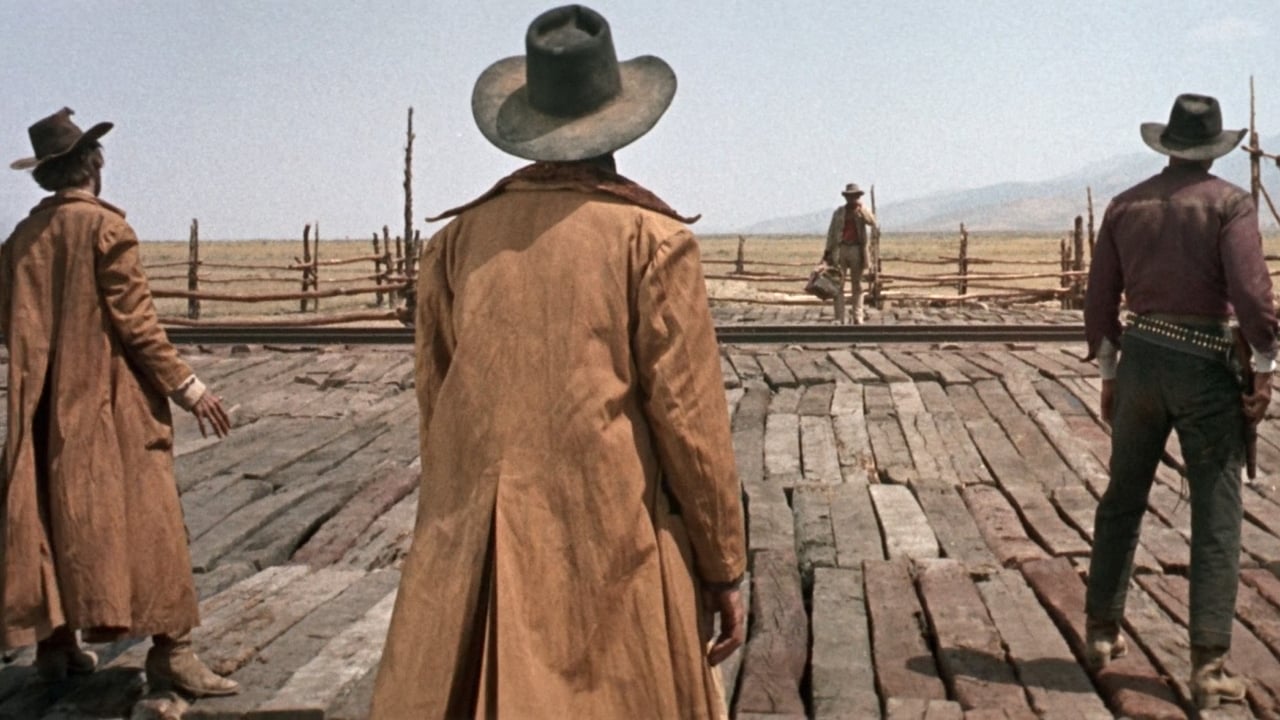
Once Upon a Time in the West
Tonino Delli Colli deploys the wide shot in deliberate counterpoint to extreme close-ups – the vast Monument Valley landscape becomes a stage for moral confrontation, lending every duel its cosmic dimension.
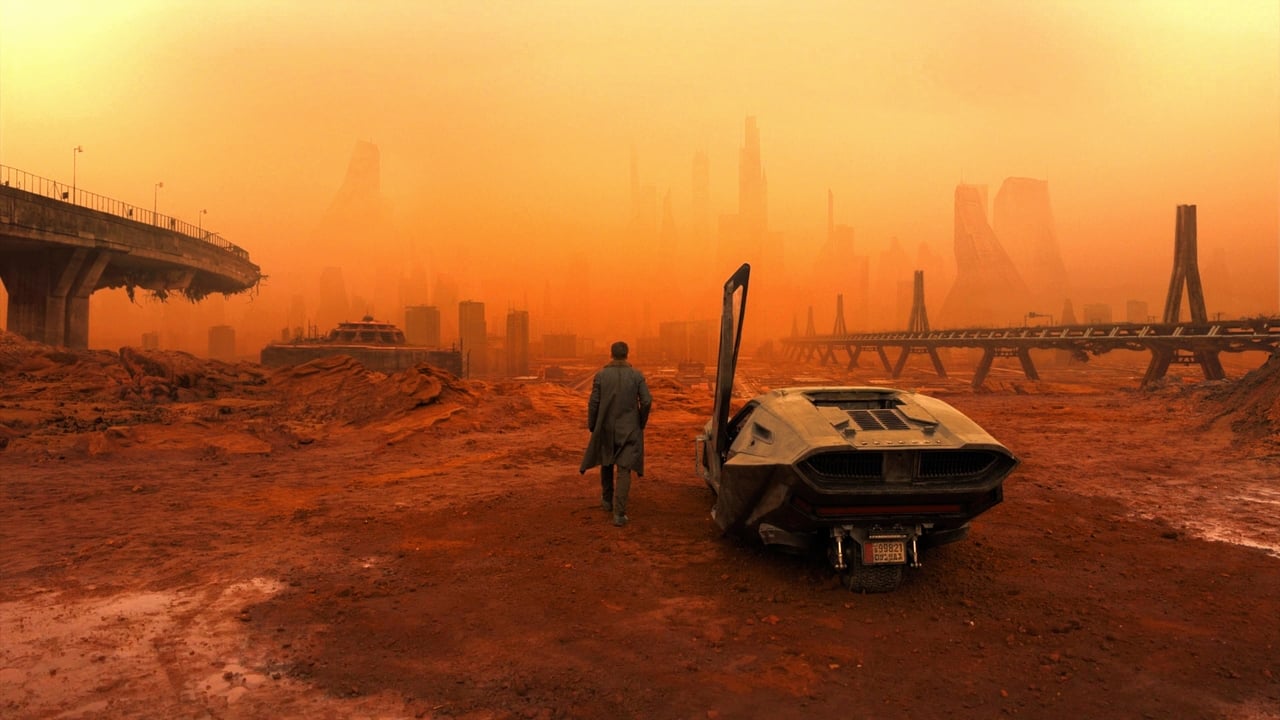
Blade Runner 2049
Roger Deakins consistently employs extreme wide shots to situate protagonist K within decaying industrial wastelands and endless desolation – the shot size itself becomes a statement about human insignificance in a post-apocalyptic world.
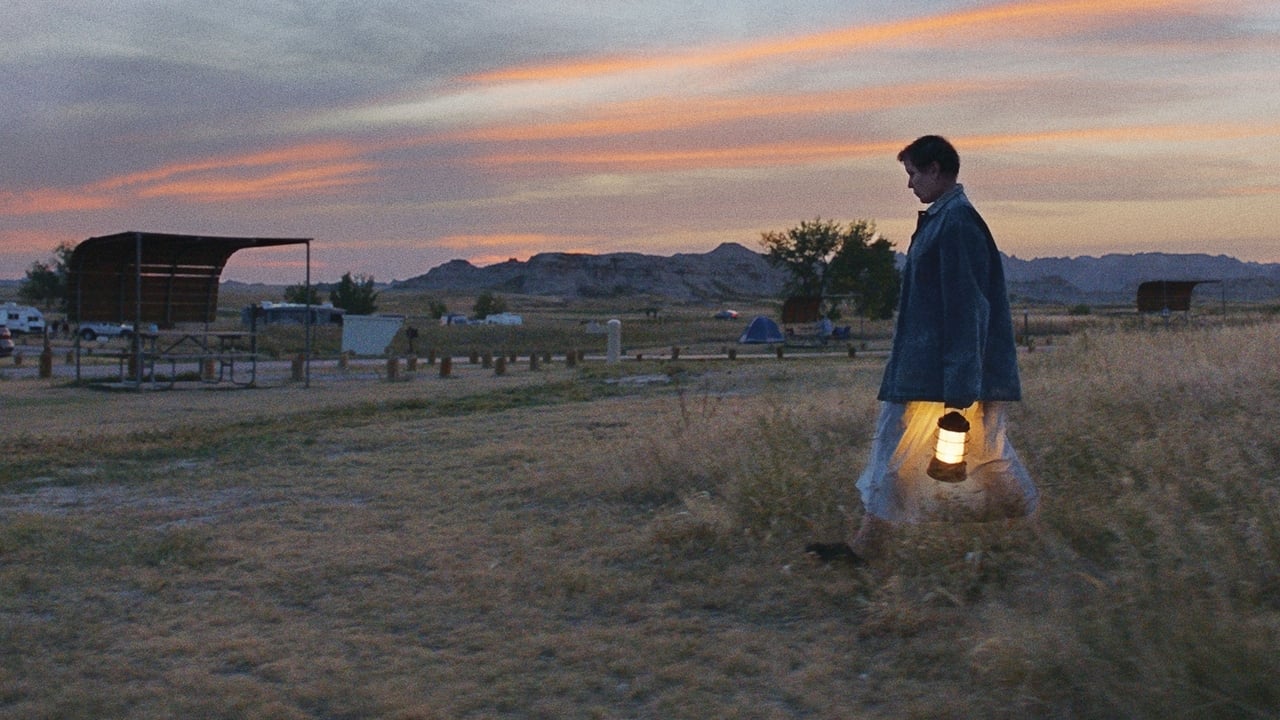
Nomadland
Joshua James Richards' naturalistic wide shots place Frances McDormand's character within the vast American landscape, striking a balance between liberation and loss that carries the film's emotional core.
Film stills sourced via the TMDB API. This product uses the TMDB API but is not endorsed or certified by TMDB. themoviedb.org ›
Technical Details
Lenses between 24-50mm (full frame) produce typical wide shots, with 35mm considered the standard focal length. The depth of field at an aperture of f/5.6 and a subject distance of 3 meters ranges from 1.8 meters to infinity. Modern cinema cameras like the ARRI Alexa LF often utilize the 4.5K Open Gate format (4448×3096 pixels) for wide shots to maximize flexibility in post-production reframing. Three variants dominate: the medium long shot (Halbtotale) with 1/4 of the frame height occupied by the head, the American shot (Cowboy Shot) cutting off at the hip, and the extreme wide shot (Supertotale) with the head occupying less than 1/10 of the frame height.
History & Development
D.W. Griffith systematically established the wide shot in 1915 in "The Birth of a Nation" as a narrative shot for spatial-temporal orientation. The transition from theater to film necessitated this expanded perspective—while theater audiences always saw the wide shot, the cinema camera for the first time allowed for conscious changes in shot size. Orson Welles perfected the deep focus wide shot in 1941 in "Citizen Kane" using 28mm lenses, thereby revolutionizing spatial storytelling. The Steadicam significantly expanded the movement possibilities of the wide shot from 1976 onwards.
Practical Application in Film
Stanley Kubrick used 50mm wide shots in "2001: A Space Odyssey" (1968) for sterile spaceship interiors, while Sergio Leone compressed extreme wide shots with 200mm telephoto lenses in "Once Upon a Time in the West" (1968), isolating figures against Monument Valley. Modern blockbusters like "Mad Max: Fury Road" (2015) employ 40mm wide shots for action sequences, as this focal length conveys speed without extreme distortion. The wide shot allows for complex choreography without cuts but requires precise lighting of large areas and demands physical precision from actors.
Comparison & Alternatives
While the medium long shot still conveys emotions, the extreme wide shot reduces figures to graphic elements. The American shot functions as a compromise between physical presence and spatial awareness. Drone shots are increasingly replacing costly crane wide shots, with the DJI Inspire 2 with X7 camera delivering comparable image quality at 1/10 the cost of traditional Technocrane setups. Virtual Production Stages, as seen in "The Mandalorian," eliminate location-based wide shots through LED volumes, where 20×15 meter stage sizes enable standard wide shots without visible boundaries.