
Camera tight on face, head fills frame. Every blink, every muscle twitch visible. Essential for reaction shots—reveals whether an actor can carry a moment in silence.
Famous examples · Close-Up
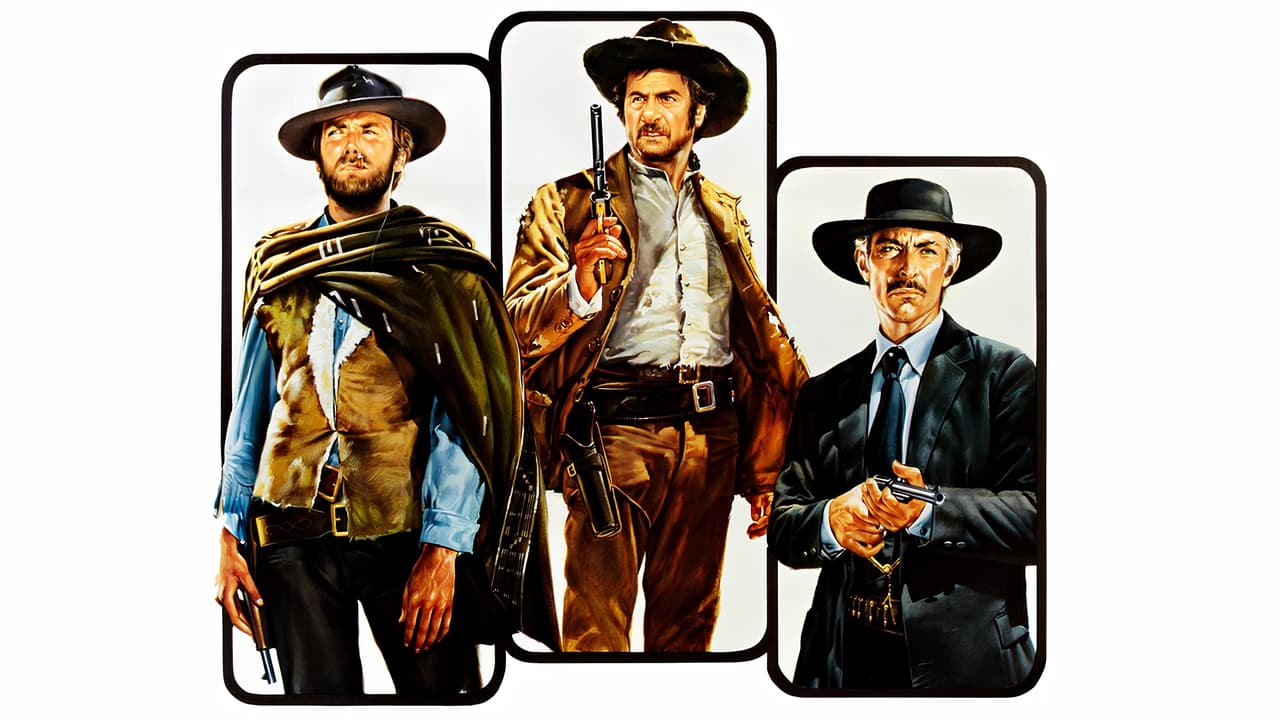
Il buono, il brutto, il cattivo (The Good, the Bad and the Ugly)
Sergio Leone escalates the final standoff through extreme close-ups of his protagonists' eyes, turning the face into an arena of psychological tension. No other film has deployed the close-up so consistently as a tool of dramatic suspense.
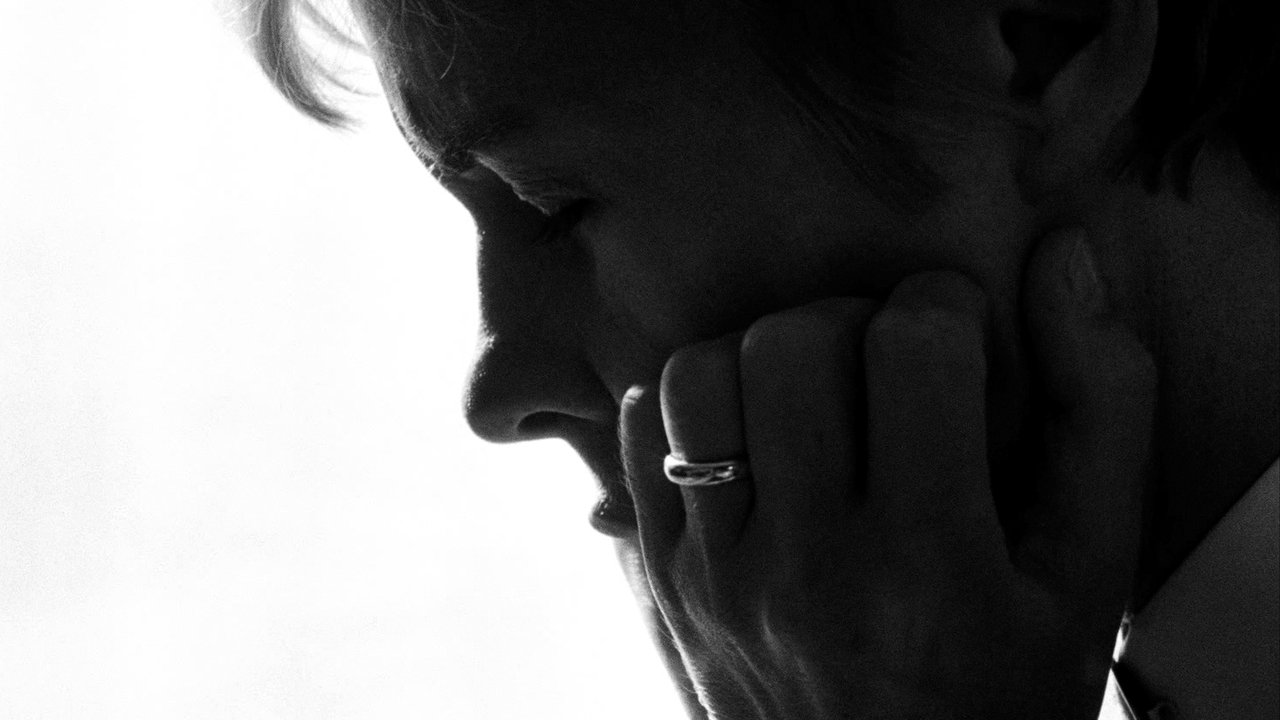
Persona
Bergman and cinematographer Sven Nykvist use the close-up to literally merge the identities of two women – the famous composite of two face-halves is considered one of the boldest close-up moments in film history. The human face becomes the film's sole dramatic location.
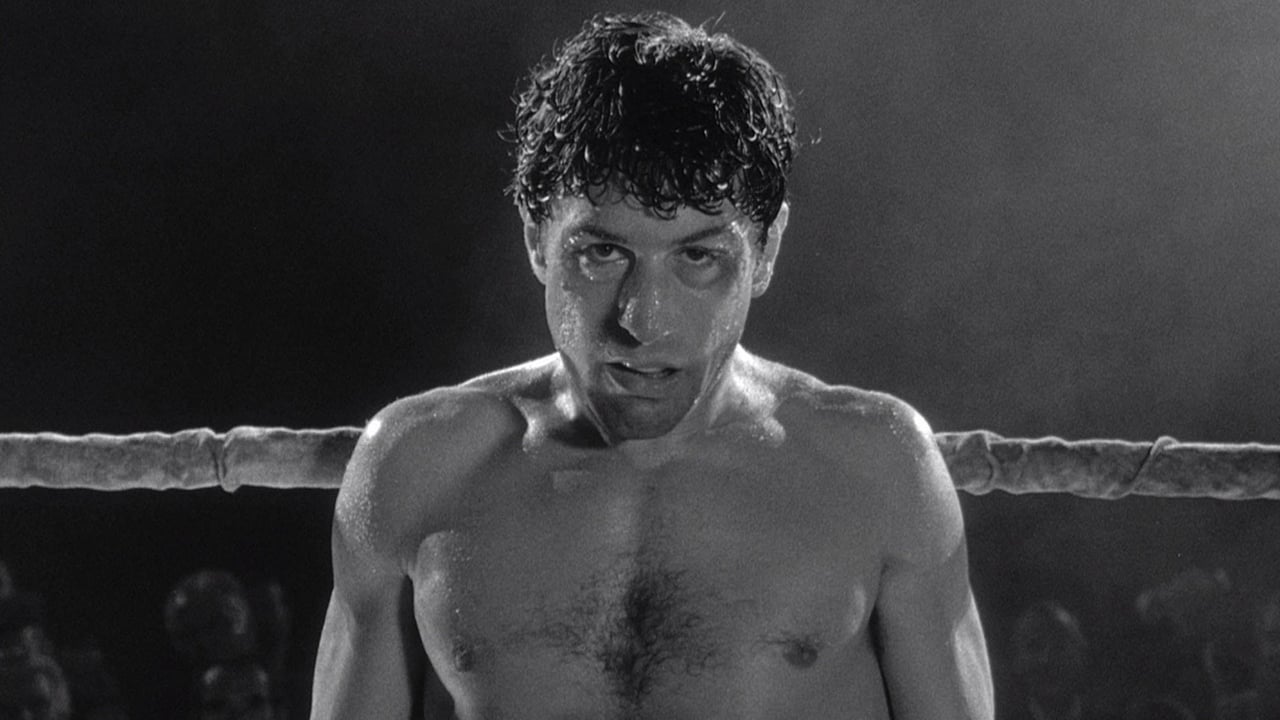
Raging Bull
Michael Chapman's expressive black-and-white close-ups of Robert De Niro's face in the boxing ring make every blow physically palpable while simultaneously revealing the protagonist's inner devastation. The close-up functions here as an emotional X-ray.
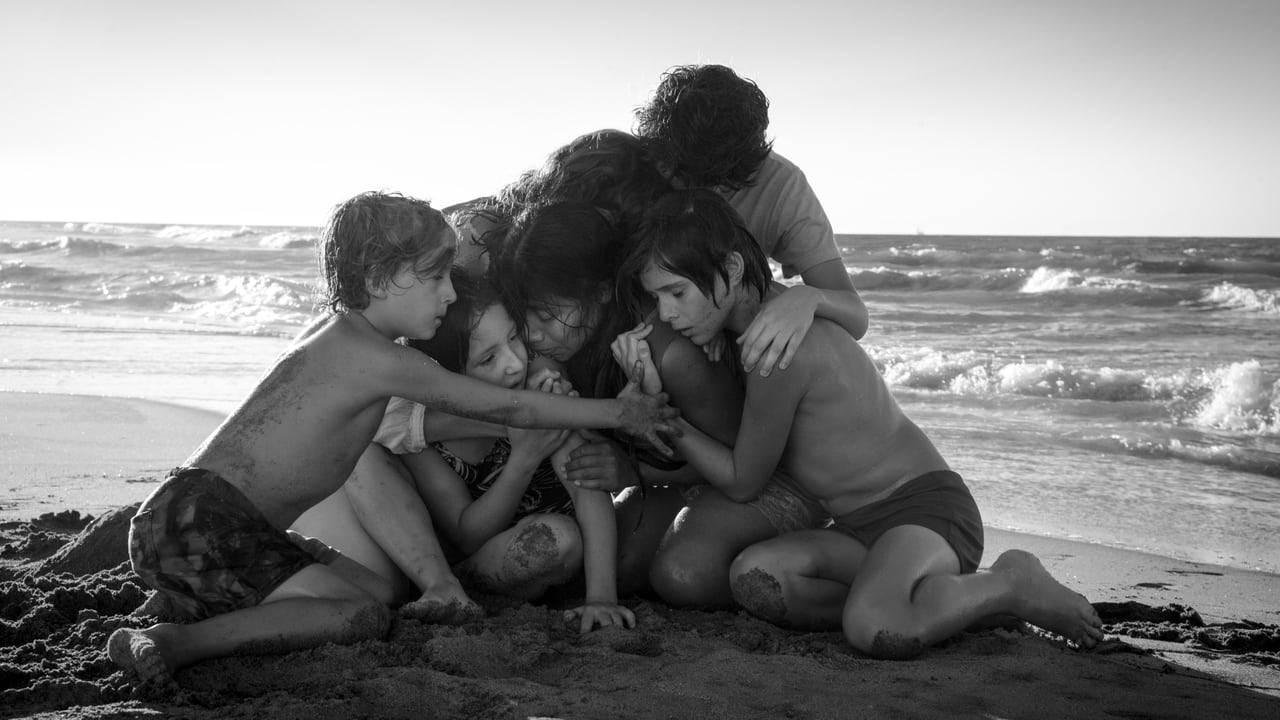
Roma
Cuarón deliberately uses close-ups of Yalitza Aparicio's face to grant an indigenous domestic worker the dignity and interiority that society denies her – the close-up becomes an act of making visible. The camera lingers on her face, elevating it to the center of the narrative.
Film stills sourced via the TMDB API. This product uses the TMDB API but is not endorsed or certified by TMDB. themoviedb.org ›
Definition
The Close-Up (German: Großaufnahme, Abbreviation: CU or G) is a shot size where a person's face fills the frame. The typical framing extends from the top of the head to the upper chest area. The Close-Up is one of the most important tools of cinematic storytelling.
Framing
Classic Close-Up
┌─────────────────────────┐
│ │
│ ┌───────────┐ │
│ │ Forehead │ │
│ │ Eyes │ │
│ │ Nose │ │
│ │ Mouth │ │
│ │ Chin │ │
│ └───────────┘ │
│ (Shoulders) │
└─────────────────────────┘
Variations
- Medium Close-Up (MCU): Slightly wider, head to chest
- Big Close-Up (BCU): Tighter, forehead to chin only
- Extreme Close-Up (ECU): Eyes or mouth only
Function and Effect
Emotional Impact
- Create intimacy and closeness
- Show the character's inner life
- Evoke empathy in the viewer
- Highlight reactions
Dramaturgical Function
- Emphasize important emotional moments
- Mark turning points
- Focus attention
- Subjectively stretch time
Information Conveyance
- Show reactions
- Hint at lies/truth
- Visualize decision-making processes
Technical Implementation
Focal Length
- Portrait Focal Lengths: 50mm, 85mm, 100mm (full frame)
- Longer focal lengths advantageously compress facial features
- Wide-angle in a close-up distorts (stylistic device or error)
Lighting
- Key Light: Defines the character of the face
- Catchlights: Essential for liveliness
- Shadows: Tell a story (Noir) or are neutral (TV standard)
Focus
- Point of focus on the eyes (outer eye when looking sideways)
- With wide aperture: nose/ears already out of focus
- Focus puller must work precisely
Rules and Tips
Composition
- Consider Gaze Direction: Leave space in the direction of the gaze
- Headroom: Not too much space above the head
- Eyes in the upper third of the frame (Rule of Thirds)
When to Use a Close-Up?
- ✓ Emotional climaxes
- ✓ Reactions to important events
- ✓ Inner conflicts
- ✓ Moments of realization
- ✗ Do not use excessively
- ✗ Not for neutral information conveyance
History of the Close-Up
The Close-Up was established as a revolutionary narrative device by pioneers such as D.W. Griffith and Sergei Eisenstein. Before film, no art form could show the human face so large and in such detail.
"The Close-Up is the soul of film." — Béla Balázs, film theorist
Cultural Differences
- Hollywood: More frequent use, emotional guidance
- European Cinema: Often more restrained, more distant
- Asian Cinema: Long held close-ups (Wong Kar-wai)
See Also
- Extreme Close-Up – Even tighter framing
- Medium Shot – Mid-range shot
- Shot Size – Overview of all sizes
- Großaufnahme – German technical term