
Camera positioned so close only details fill the frame — an eye, a scar, a fingernail. Creates intensity and discomfort.
Famous examples · Extreme Close-Up
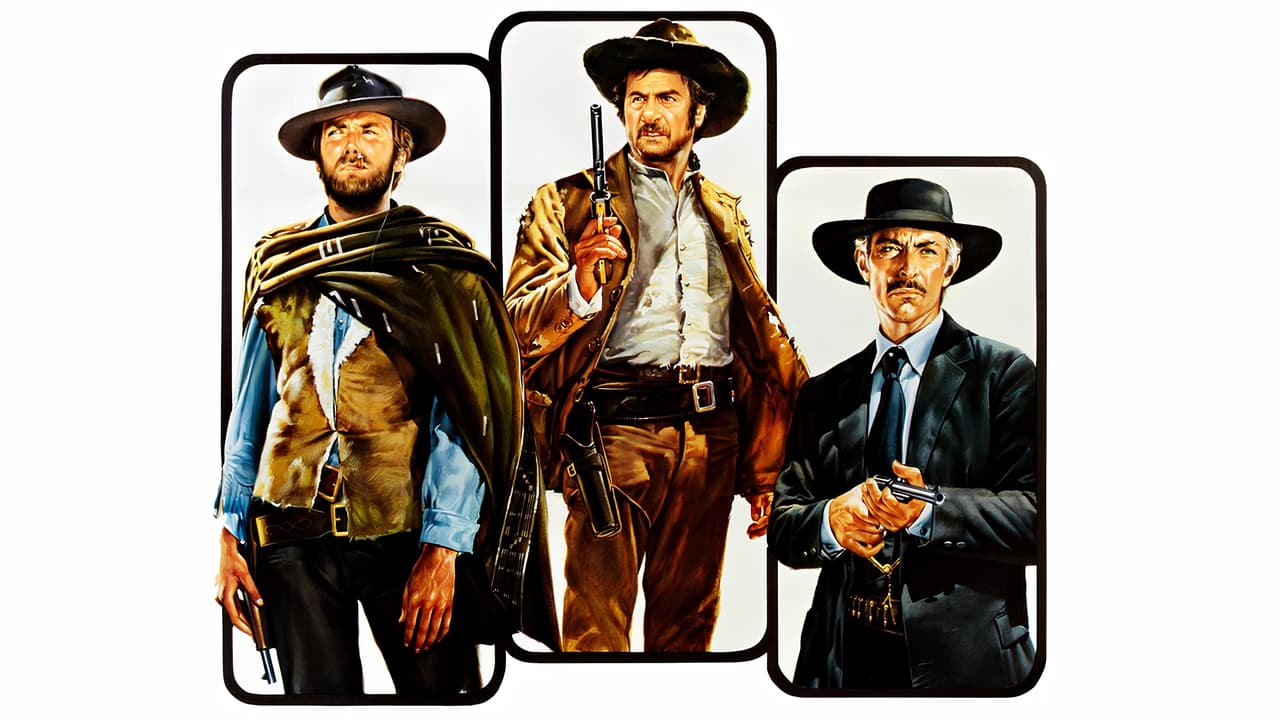
Il buono, il brutto, il cattivo
Leone's final showdown consists almost entirely of extreme close-ups of eyes, hands, and holsters, turning the ECU into the dramatic language of the Western.
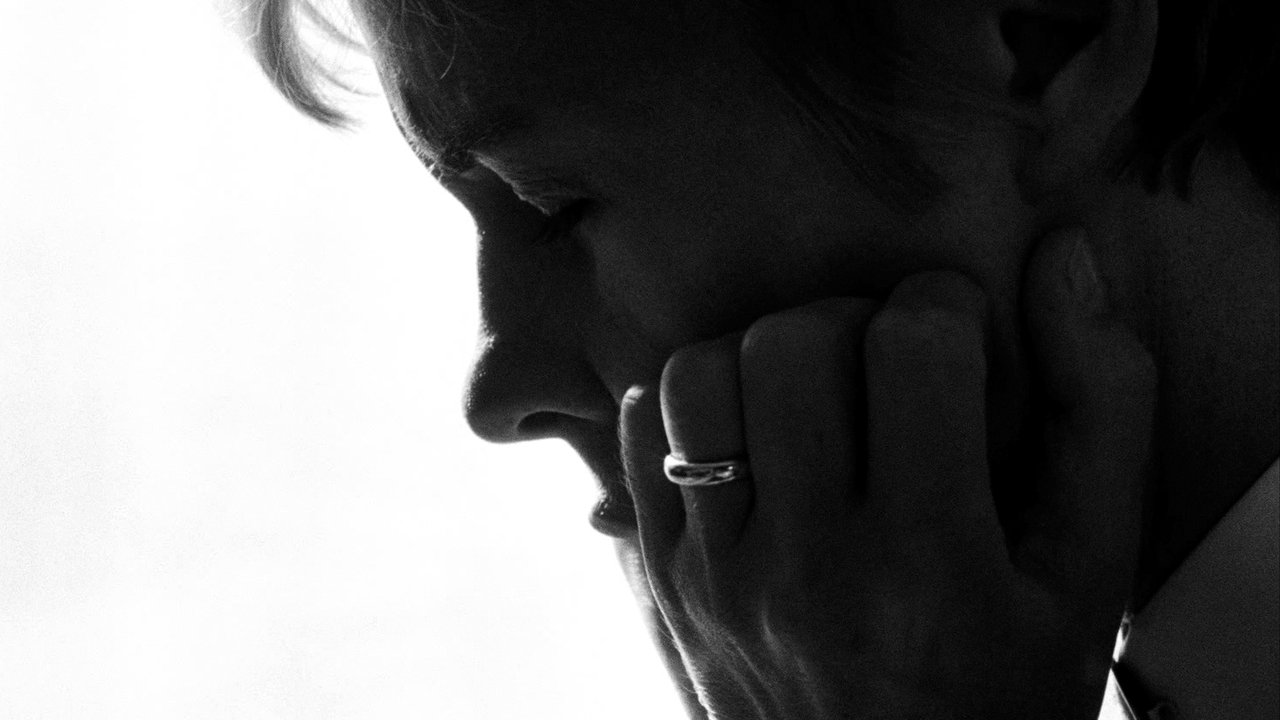
Persona
Bergman and Nykvist use extreme facial close-ups to visualize the psychological merging of two women, turning skin texture into an existential canvas.
Requiem for a Dream
Aronofsky deploys ECUs on pupils, syringes, and pills to convey the physical and psychological disintegration of his characters with claustrophobic intensity.

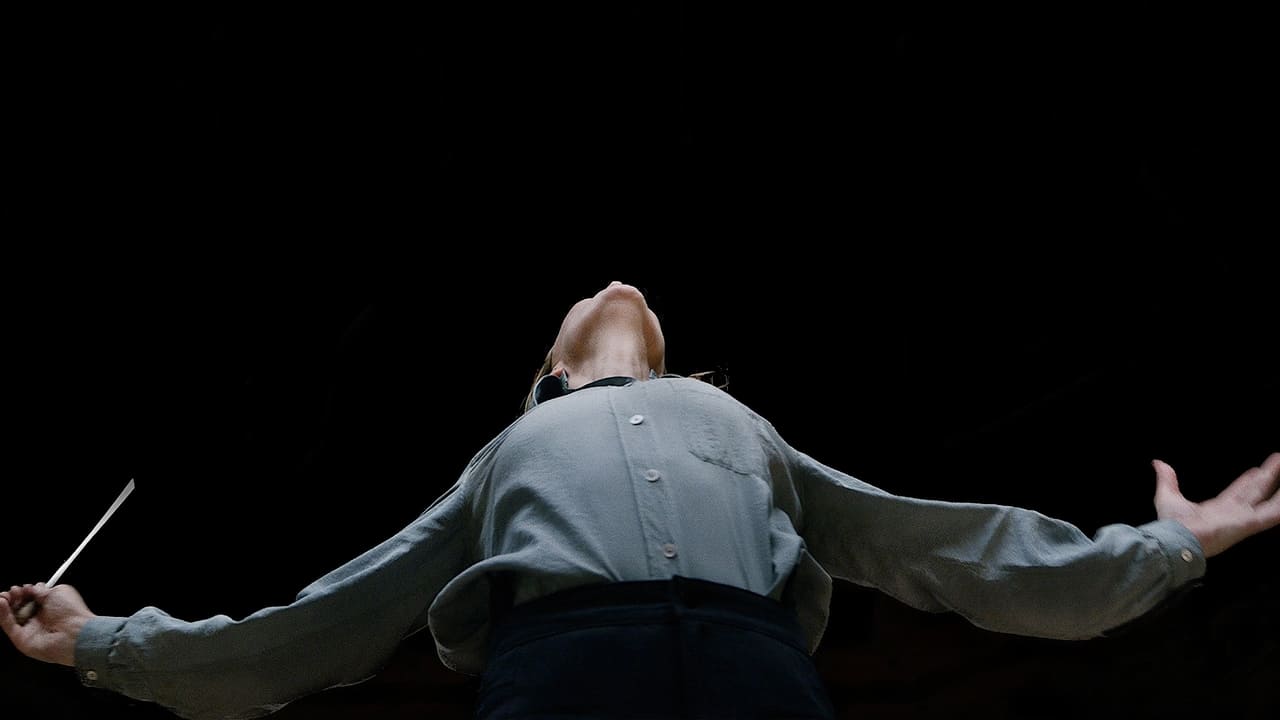
Tár
Hoffmeister's extreme close-ups of Cate Blanchett's face capture microscopic shifts in expression and emotion, rendering the inner collapse of a powerful figure visible.
Film stills sourced via the TMDB API. This product uses the TMDB API but is not endorsed or certified by TMDB. themoviedb.org ›
You need an Extreme Close-Up when you suddenly have to penetrate your actor's soul—or when you want to give them the feeling that the viewer is not allowed to. The camera moves in so close that only a tiny fragment of reality remains visible: an eye narrowing, a hand trembling, a lip parting to say something that never comes. Everything else—context, space, the other actors—dissolves.
Practically, this only works with macro lenses or extreme zoom. On set, you have to get incredibly close, often 10–20 centimeters from the face, sometimes even closer. Depth of field becomes the enemy: a few millimeters of focus deviation and your shot is gone. That's why many work with manual focus or electronic focus pullers when the Extreme Close-Up needs to be dynamic—for example, when a tear runs down a cheek or a gaze wanders. Lighting becomes critical: every skin imperfection, every bead of sweat becomes topography. Some DoPs consciously work with flatter lighting here to minimize imperfections, while others use the texture to show vulnerability.
Emotionally, the Extreme Close-Up is an assault—not aggressive, but intimate to the point of discomfort. It works excellently in moments of despair, realization, or psychological breakdown. A single eye can tell more than a wide shot. But: it quickly becomes voyeuristic if it lingers too long. A second or two, then pull out. Combine it with sharp and blurred focus to guide the viewer's attention—for example, focusing on the iris and letting everything else blur. This turns a technical limitation into a narrative force.
In editing, the Extreme Close-Up is often used as a cutaway—as a transition to another psychological state or as a visual punch. Shortly before, another shot is usually needed that still gives the viewer breathing room, otherwise the Extreme Close-Up appears aggressive rather than poetic. Use it cleanly and deliberately, not as a cheap trick for emotional impact.