Filmlexikon.
Support
Tiffen Smoque
Camera · Terms

Tiffen Smoque

Murnau AI illustration
flow para roll take

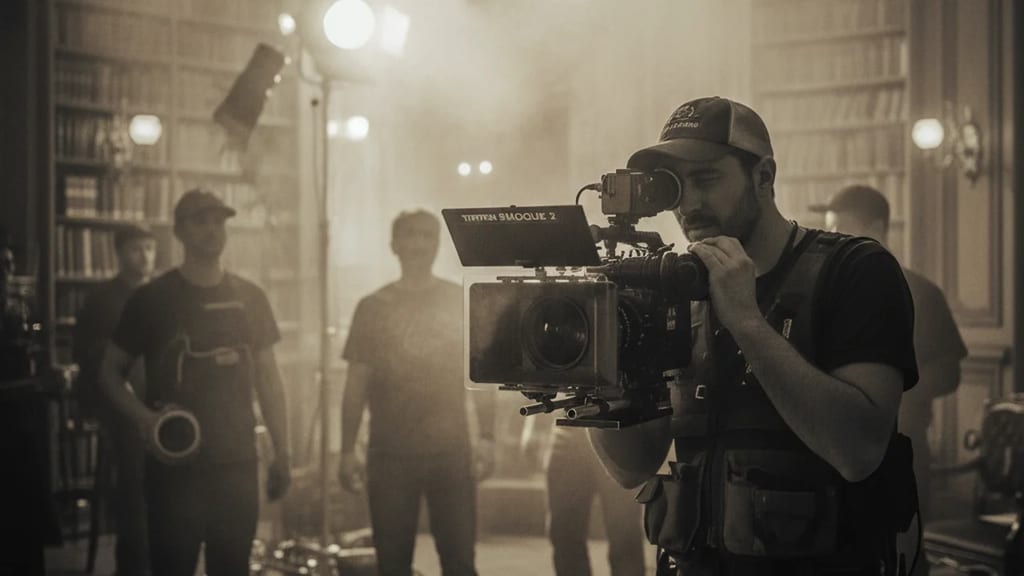
Tiffen Smoque filter with etched surface creating light diffusion and simulating smoke atmosphere. Available in five strengths (1/8 to 2) and sizes 52mm to 6.6×6.6″.

Technical Details

The Smoque is manufactured in standard sizes 4x4", 4x5.65", 6.6x6.6", as well as screw-on variants from 52mm to 114mm. The filters are available in five strengths: 1/8, 1/4, 1/2, 1, and 2, with the number indicating the degree of light diffusion. The transmission rate ranges from 92% (1/8) to 73% (strength 2). The special surface structure is applied through a controlled acid etching process, where hydrofluoric acid compounds create micro-fine depressions of 0.2-0.8 micrometers in depth.

History & Development

Tiffen developed the Smoque in 1987 as an alternative to costly fog machines and hazardous smoke cartridges. The filter first found commercial application in 1988 in Ridley Scott's "Black Rain," where DoP Jan de Bont used it for the nighttime Tokyo sequences. In 1994, Tiffen expanded the series with the Warm Smoque variant, featuring an integrated 81A color correction filter. In 2003, the Pro-Mist series followed as a further development with more gradual diffusion.

Practical Application in Film

Roger Deakins used Smoque 1/2 filters for the prison sequences in "The Shawshank Redemption" (1994) to enhance the oppressive atmosphere without elaborate fog effects. In "Blade Runner 2049" (2017), Deakins combined Smoque filters with practical fog machines for consistent atmosphere between different takes. The filter reduces contrast by 15-30% and lifts shadow detail, giving digital sensors a more film-like characteristic. The Smoque is particularly effective in backlight shots and nighttime scenes with point light sources.

Comparison & Alternatives

Unlike practical smoke, the Smoque produces reproducible results without continuity issues between takes. Tiffen's Black Pro-Mist filters offer stronger highlight diffusion, while the Smoque primarily lifts shadows. Schneider-Kreuznach Classic Soft filters create similar effects, but with less specific smoke characteristics. Modern digital alternatives like DaVinci Resolve's "Film Grain" or Red Giant's "Magic Bullet" achieve comparable looks in post-production, but cannot replicate the optical properties of light diffusion in front of the sensor.
From the crafts

Perspectives

Cinematographer

Ich setze den Smoque 1/4 gezielt ein, wenn ich harte LED-Beleuchtung organischer wirken lassen möchte, ohne die Schärfe zu stark zu beeinträchtigen. Bei Nachtaufnahmen mit Straßenlaternen verstärkt er die natürliche Lichtstreuung und gibt mir die Kontrolle über die Atmosphäre, ohne auf wetterabhängigen Nebel angewiesen zu sein. Der Filter ist besonders wertvoll bei digitalen Kameras, da er dem oft zu cleanen Look von modernen Sensoren eine filmische Textur verleiht.

Director

Ich nutze den Smoque, um emotionale Zustände visuell zu unterstützen – die leichte Verschleierung suggeriert Erinnerungen, Träume oder psychische Zustände der Figuren. In Flashback-Sequenzen hilft er mir, eine andere Realitätsebene zu etablieren, ohne auf offensichtliche Post-Effekte zurückzugreifen. Die subtile Veränderung der Bildqualität schafft eine nostalgische oder melancholische Grundstimmung, die das Publikum unbewusst wahrnimmt.

Producer

Der Smoque amortisiert sich bereits nach dem ersten Drehtag gegenüber Nebelmaschinen-Miete und spart mir die Kosten für Spezialeffekt-Techniker am Set. Keine Wartezeiten zwischen Takes für Nebel-Reset, keine wetterabhängigen Verzögerungen bei Außenaufnahmen – das bedeutet 20-30% Zeitersparnis bei atmosphärischen Szenen. Ein 4x5,65"-Filter für 280€ ersetzt Equipment im Wert von mehreren tausend Euro und eliminiert die Postproduktions-Kosten für digitale Atmosphäre-Effekte.

More in the lexikon

Related terms

Test your knowledge

Quiz

1. Zu welchem Department gehört „Tiffen Smoque"?

2. Wie viele verschiedene Fachperspektiven bietet dieser Eintrag?

Report an error
From the Filmfarm ecosystem

Understand visual language, budget productions, connect crew.

The Lexikon is part of the Filmfarm ecosystem — alongside budgeting (FilmBalance), an industry magazine (FilmCircus) and crew networking (FilmCall, CrewMesh). One shared vocabulary for the whole production.

FilmFarm FilmRadarComing soonFilmPulseComing soonFilmNumbersComing soonFilmCapitalComing soonFilmLabComing soonFilmBalanceComing soonFilmCircusComing soon