Filmlexikon.
Support
Side Wings
Camera · Terms

Side Wings

Murnau AI illustration
flow para roll take

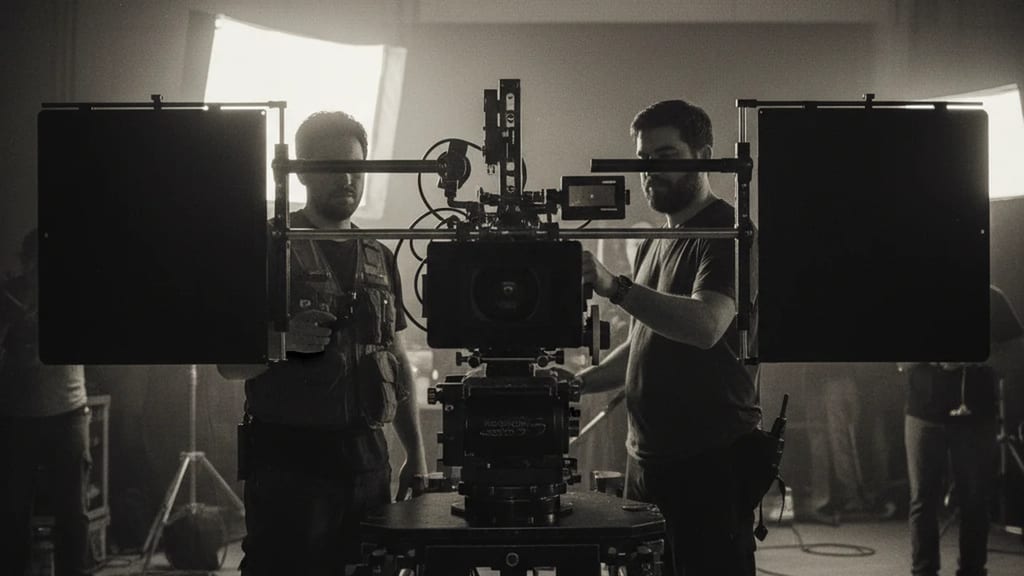
Adjustable flags mounted on 15mm rods to shade the camera lens laterally. Reduce flare and reflections; standard 80×120mm surface.

Technical Details

Standard side wings for 15mm rod systems have an aperture surface of 80 x 120mm and weigh approximately 150-200g per pair. The flags are made of anodized aluminum with a matte black coating (reflectivity <2%) and feature detent positions every 15°. High-quality systems like ARRI or Chrosziel offer interchangeable flag sizes from 60mm to 150mm in height. Mounting is done via 15mm or 19mm rods with quick-release levers that can handle a torque of up to 8 Nm.

History & Development

Side wings evolved in the 1920s from the rigid sunshades of the silent film era. In 1934, Mitchell Camera Corporation introduced the first adjustable side wings for their BNC cameras. In the 1960s, Panavision standardized the 15mm rod mount, which is still used today. Modern carbon fiber constructions since 2010 have reduced weight by 40% compared to classic aluminum versions.

Practical Use in Film

In exterior shots like in "Mad Max: Fury Road" (2015), large side wings prevented stray light from the Australian desert sun. Indoors, they eliminate reflections from studio lights – for example, in the close-ups in "Blade Runner 2049" (2017), where Deakins utilized precise 45° settings. The typical workflow involves asymmetrical settings: the side facing the light source is shaded more than the shadow side to preserve natural light distribution.

Comparison & Alternatives

Side wings differ from top/bottom flags by their horizontal effect and from lens hoods by their variable positioning. French flags offer more flexible positioning but require additional grip equipment. Digital lens flare removal in post-production cannot fully replace physical shading, as it does not offer contrast enhancement through stray light reduction. Modern LED panels with lower stray light development have reduced the use of side wings in controlled studio shots by approximately 30% since 2018.

From the crafts

Perspectives

Cinematographer

Ich verwende Seitenklappen hauptsächlich bei Gegenlichtaufnahmen und starken seitlichen Lichtquellen, um den Kontrast zu bewahren und ungewollte Flares zu eliminieren. Bei Anamorphic-Optiken sind sie besonders kritisch, da diese anfälliger für seitliches Streulicht sind - ich stelle sie meist auf 60° zur Lichtquelle und justiere während der Aufnahme nach, wenn sich die Lichtverhältnisse ändern.

Director

Seitenklappen helfen mir dabei, die Aufmerksamkeit gezielt zu lenken und die Bildstimmung zu kontrollieren, besonders bei dramatischen Szenen mit hartem Seitenlicht. Ich nutze sie bewusst asymmetrisch - eine Seite stark abgeschattet für düstere Momente, beide Seiten minimal für natürliche Looks. Sie sind mein Werkzeug, um die visuelle Spannung einer Szene zu modulieren, ohne die Beleuchtung komplett ändern zu müssen.

Producer

Seitenklappen sind eine kostengünstige Versicherung gegen teure Nachbearbeitungszeit - ein 200€-Set kann Stunden an Digital Grading sparen. Bei Außendrehs rechne ich mit 15% weniger Takes durch bessere Bildkontrolle, was sich besonders bei teuren Locations auszahlt. Die schnelle Verstellbarkeit reduziert Setup-Zeiten zwischen verschiedenen Kameraeinstellungen um durchschnittlich 3-5 Minuten pro Take.

More in the lexikon

Related terms

Test your knowledge

Quiz

1. Zu welchem Department gehört „Seitenklappen"?

2. Wie viele verschiedene Fachperspektiven bietet dieser Eintrag?

Report an error
From the Filmfarm ecosystem

Understand visual language, budget productions, connect crew.

The Lexikon is part of the Filmfarm ecosystem — alongside budgeting (FilmBalance), an industry magazine (FilmCircus) and crew networking (FilmCall, CrewMesh). One shared vocabulary for the whole production.

FilmFarm FilmRadarComing soonFilmPulseComing soonFilmNumbersComing soonFilmCapitalComing soonFilmLabComing soonFilmBalanceComing soonFilmCircusComing soon