Technical Details
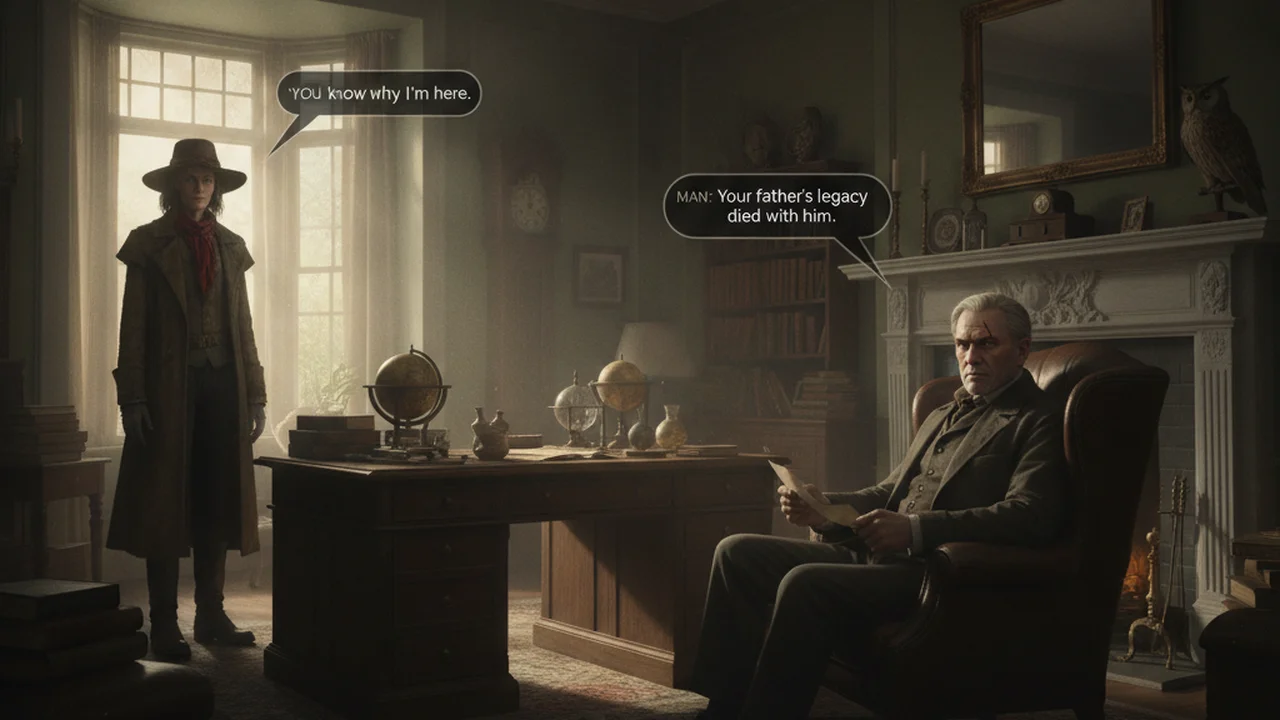
The setup is divided into three structural components: Opening Image (first 30-60 seconds), Setup of the main character (first 5-10 minutes), and Inciting Incident (triggering event between minutes 10-15). In the classic three-act structure according to Syd Field, it occupies exactly 25% of the total runtime. Modern screenplay theory distinguishes between Direct Exposition (explicit information delivery through dialogue or voice-over) and Visual Exposition (implicit delivery through visual language, costume, set design).
History & Development
Cinematic setup evolved from the dramaturgical principles of Aristotle's Poetics (335 BCE), but was only systematically codified for screenwriting in 1979 by Syd Field's Screenplay. D.W. Griffith established visual exposition as a cinema-specific narrative element in 1915 with The Birth of a Nation. Robert McKee's Story (1997) refined the typology into Backstory, Setup, and Hook, while Christopher Vogler, in 1992's The Writer's Journey, established the mythological Ordinary World phase as the setup standard for Hollywood productions.
Practical Application in Film
Citizen Kane (1941) uses an 18-minute setup with a newsreel sequence for Backstory delivery. The Godfather (1972) establishes family hierarchy, power structures, and Vito Corleone's value system in 20 minutes solely through the wedding sequence. Modern blockbusters like Mad Max: Fury Road (2015) compress the setup to 6 minutes through pure visual storytelling without explanatory dialogue. In medias res openings, as in Pulp Fiction (1994), distribute setup elements throughout the entire narrative time.
Comparison & Alternatives
Setup differs from a Cold Open in its completeness – while a Cold Open only provides a dramaturgical hook, the setup delivers all narrative foundations. A Teaser, on the other hand, deliberately conveys incomplete information. Delayed Exposition intentionally shifts information to later acts, and False Exposition works with deliberately misleading information. The classic Linear Exposition is increasingly being replaced by Fragmented Exposition (distribution across multiple timelines) or Interactive Exposition (active audience participation in information acquisition).