Filmlexikon.
Support
Magic Hour
Lighting · Terms

Magic Hour

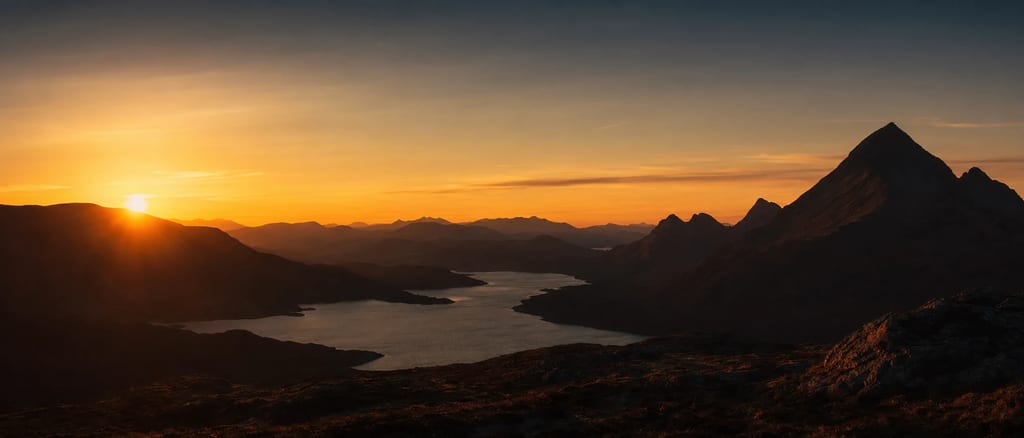
Murnau AI illustration
color temperature flow roll take

Magic Hour: 30-minute window after sunrise or before sunset with warm, soft light and 3–4 stops of contrast range; ideal for natural cinematography.

In film history

Famous examples · Magic Hour

Curated examples across cinema history that illustrate the term — from compositional principle to deliberate refusal.
01 / GOLDEN LIGHT AS RELIGION

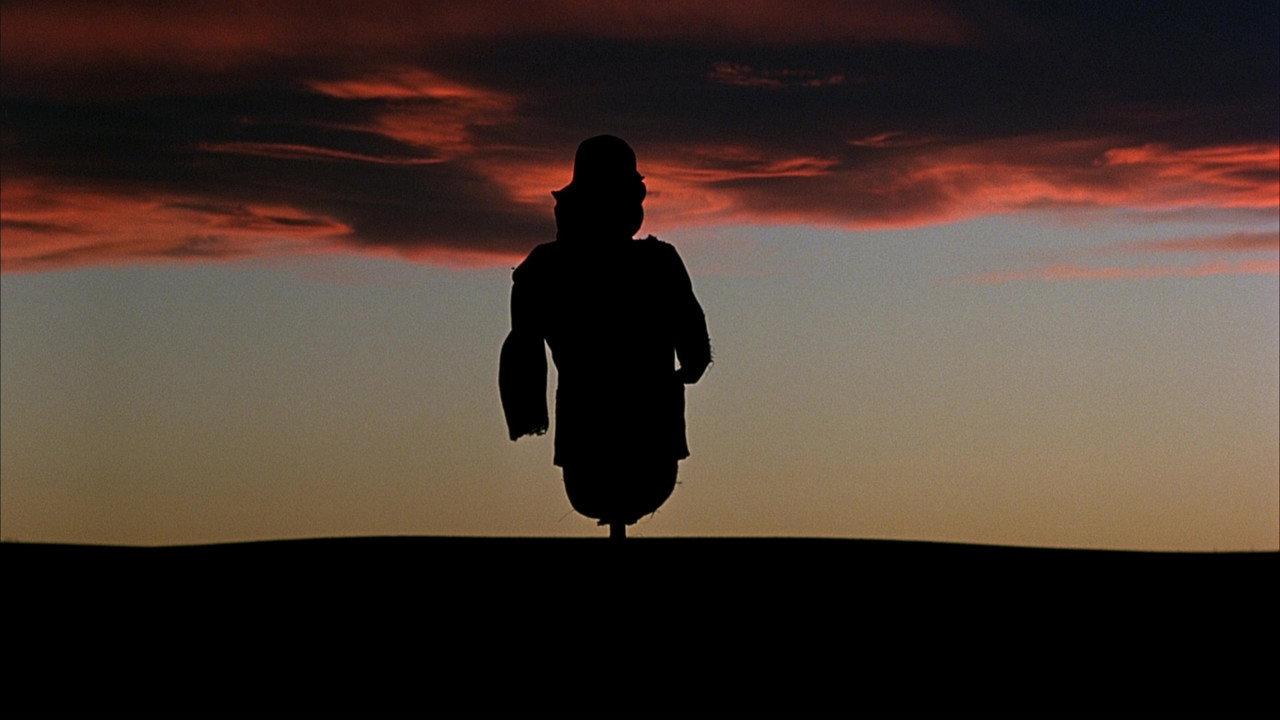
Days of Heaven

Terrence Malick · 1978 · Néstor Almendros

Néstor Almendros shot almost the entire film during the magic hour, creating one of the most celebrated lighting aesthetics in film history – the warm glow of the wheat fields became the film's defining visual leitmotif.

Days of Heaven · sample frame
02 / DUSK AT THE EDGE OF MADNESS

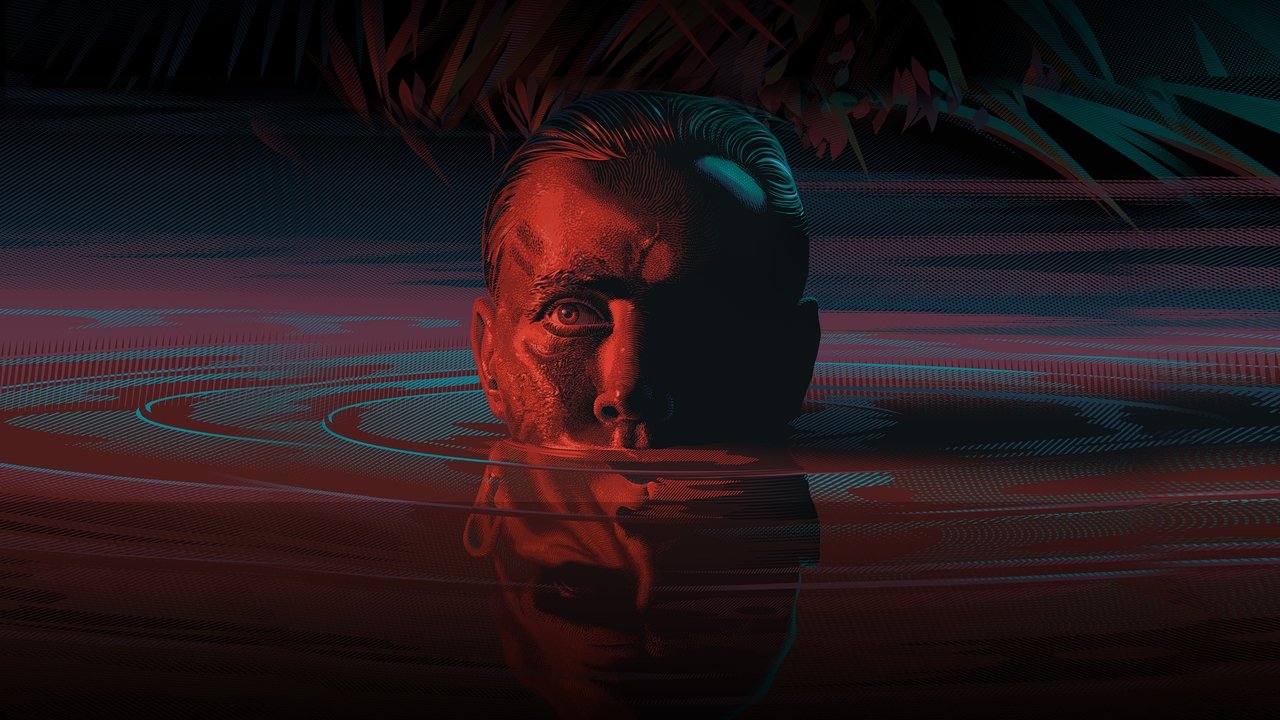
Apocalypse Now

Francis Ford Coppola · 1979 · Vittorio Storaro

Vittorio Storaro deliberately used the magic hour to visualize the psychological dissolution of boundaries between civilization and barbarism – the famous opening sequence with its orange jungle sky is a prime example.

Apocalypse Now · sample frame
03 / NATURE AS COUNTERPOINT TO VIOLENCE

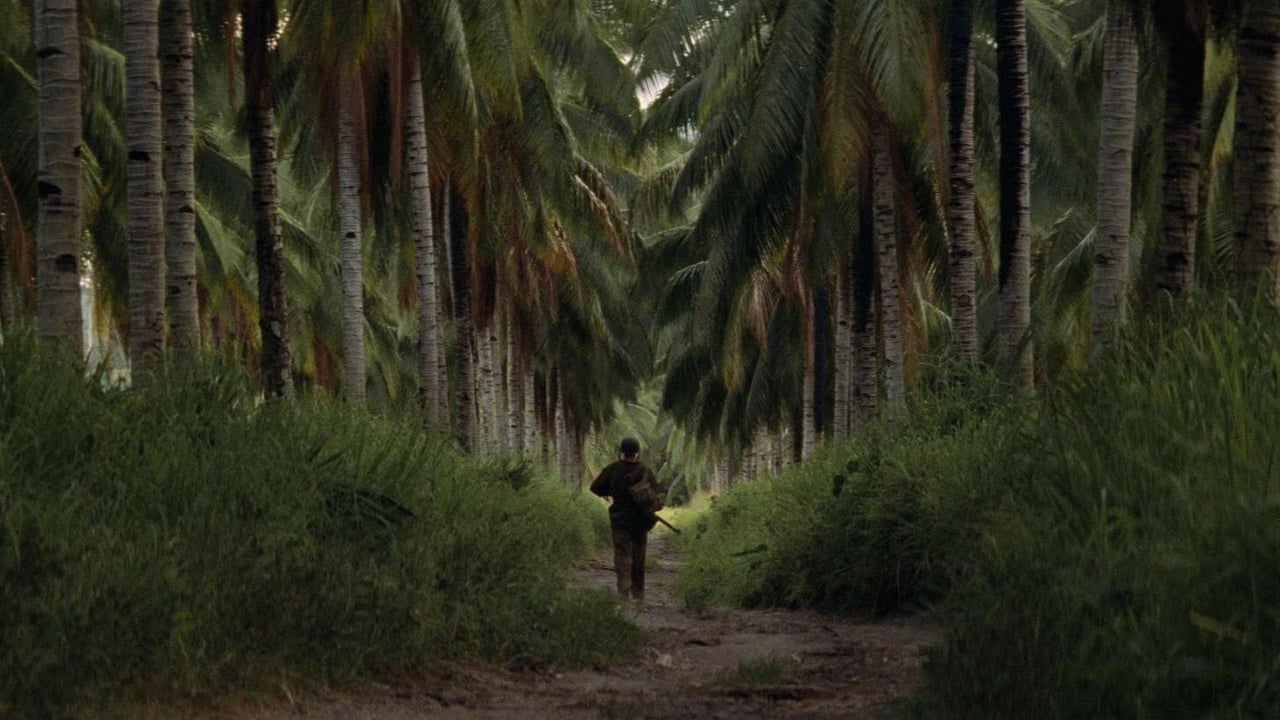
The Thin Red Line

Terrence Malick · 1998 · John Toll

John Toll repeatedly photographed the Guadalcanal battlefields in the soft light of the magic hour, positioning nature's beauty as a philosophical counterpoint to the brutality of war.

The Thin Red Line · sample frame
04 / VAST LANDSCAPE IN THE EVENING GLOW

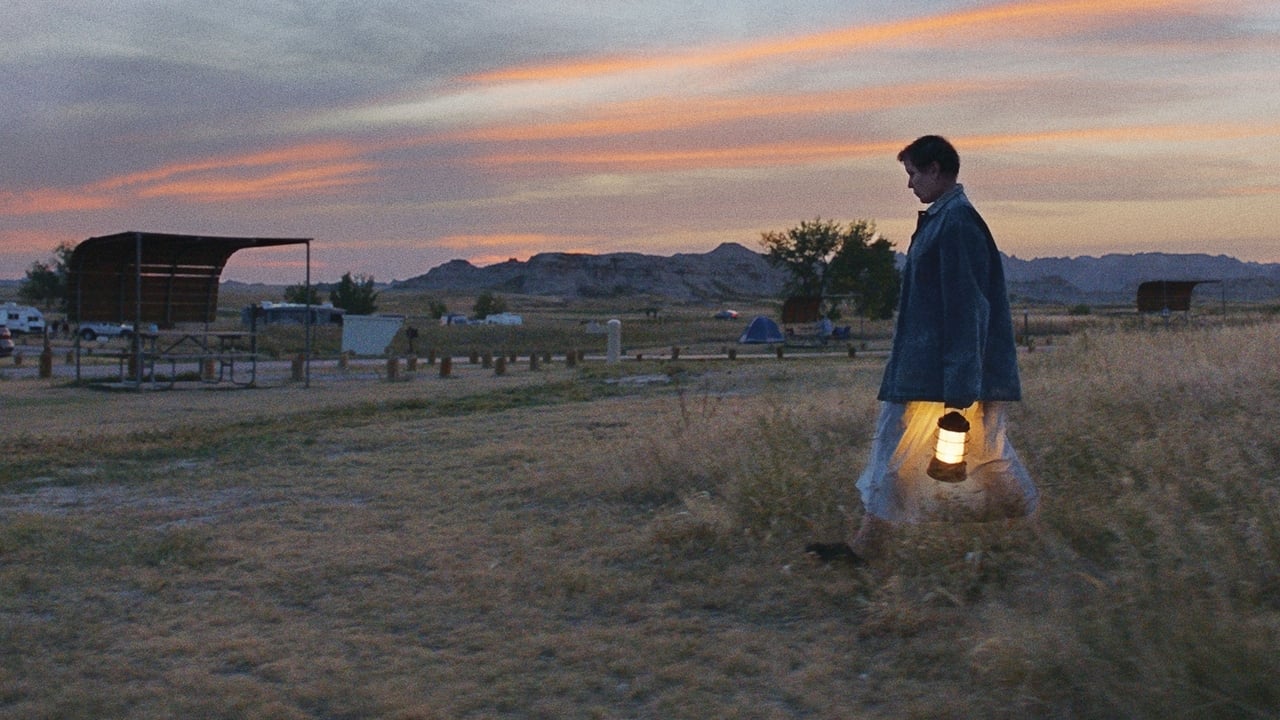
Nomadland

Chloé Zhao · 2020 · Joshua James Richards

Joshua James Richards largely eschewed artificial lighting and consistently used the natural magic hour light to underscore the solitude and dignity of the nomadic protagonist against the vast American landscape.

Nomadland · sample frame

Film stills sourced via the TMDB API. This product uses the TMDB API but is not endorsed or certified by TMDB. themoviedb.org ›

Technical Details

During the Magic Hour, sunlight passes through the thickest layer of the atmosphere, scattering blue light components and allowing predominantly red and yellow wavelengths (590-700 nanometers) to reach the Earth's surface. The exposure difference between the brightest and darkest image areas is typically 3-4 stops, compared to 8-12 stops in daylight. Modern digital cameras capture this contrast range easily at ISO values between 200-800. The Blue Hour immediately follows, offering 15-25 minutes of indirect sky light at 12000-20000 Kelvin.

History & Development

Terrence Malick popularized the systematic use of the Magic Hour starting with "Badlands" (1973), shot by DoP Tak Fujimoto. Nestor Almendros perfected the technique in "Days of Heaven" (1978) and established workflow standards for the limited time window. With the introduction of fast lenses and highly sensitive digital films from 2000 onwards, the practically usable shooting time was extended by 10-15 minutes per session.

Practical Application in Film

Emmanuel Lubezki used exclusively available light during the Magic Hour for exterior shots in "The Revenant" (2015). Standard workflow: Setup 90 minutes before the optimal phase, dress rehearsal in daylight, maximum run during the 30-minute core period. Roger Deakins combined the Magic Hour with 18K HMI lights as fill light in "Blade Runner 2049" (2017). Disadvantages: weather dependency and limited repeatability of takes.

Comparison & Alternatives

Distinction from the Blue Hour due to significantly warmer color temperature and higher light intensity. LED panels with 2700K-3200K and diffusion filters simulate the light quality but do not achieve the natural gradation. HMI lights with CTO filters (Color Temperature Orange) produce similar color temperatures but require additional diffusion through 12x12-foot silk frames. For controlled conditions, DoPs use these artificial light setups for night shoots or in studios.

From the crafts

Perspectives

Cinematographer

Ich plane meine Kameraführung für maximale Effizienz in diesem 30-Minuten-Fenster – einfache Bewegungen, voreingestellte Fokuszüge und ISO 400 als Ausgangswert. Die warme Farbtemperatur lässt mich mit 85-Filter arbeiten, um Hauttöne optimal zu modellieren, während ich den natürlichen Kontrast für organische Bildtiefe nutze.

Director

Ich nutze die emotionale Wirkung der goldenen Töne für Wendepunkte oder romantische Szenen, da die Zuschauer diese Lichtqualität unbewusst mit Intimität verbinden. Die begrenzte Zeit zwingt mich zu präziser Vorbereitung und intensiviert die Konzentration am Set – oft entstehen so die authentischsten Momente.

Producer

Ich kalkuliere 40% Zeitpuffer für wetterbedingte Wiederholungstage und plane alternative Indoor-Szenen als Backup. Pro Magische-Stunde-Tag rechne ich mit 150% der normalen Crew-Kosten durch längere Bereitschaftszeiten, spare aber erheblich bei der Lichtausstattung – keine 18K-Scheinwerfer, weniger Stromkosten, kleinere Grip-Trucks.

More in the lexikon

Related terms

Test your knowledge

Quiz

1. Zu welchem Department gehört „Magische Stunde"?

2. Wie viele verschiedene Fachperspektiven bietet dieser Eintrag?

Report an error
From the Filmfarm ecosystem

Understand visual language, budget productions, connect crew.

The Lexikon is part of the Filmfarm ecosystem — alongside budgeting (FilmBalance), an industry magazine (FilmCircus) and crew networking (FilmCall, CrewMesh). One shared vocabulary for the whole production.

FilmFarm FilmRadarComing soonFilmPulseComing soonFilmNumbersComing soonFilmCapitalComing soonFilmLabComing soonFilmBalanceComing soonFilmCircusComing soon