Technical Details
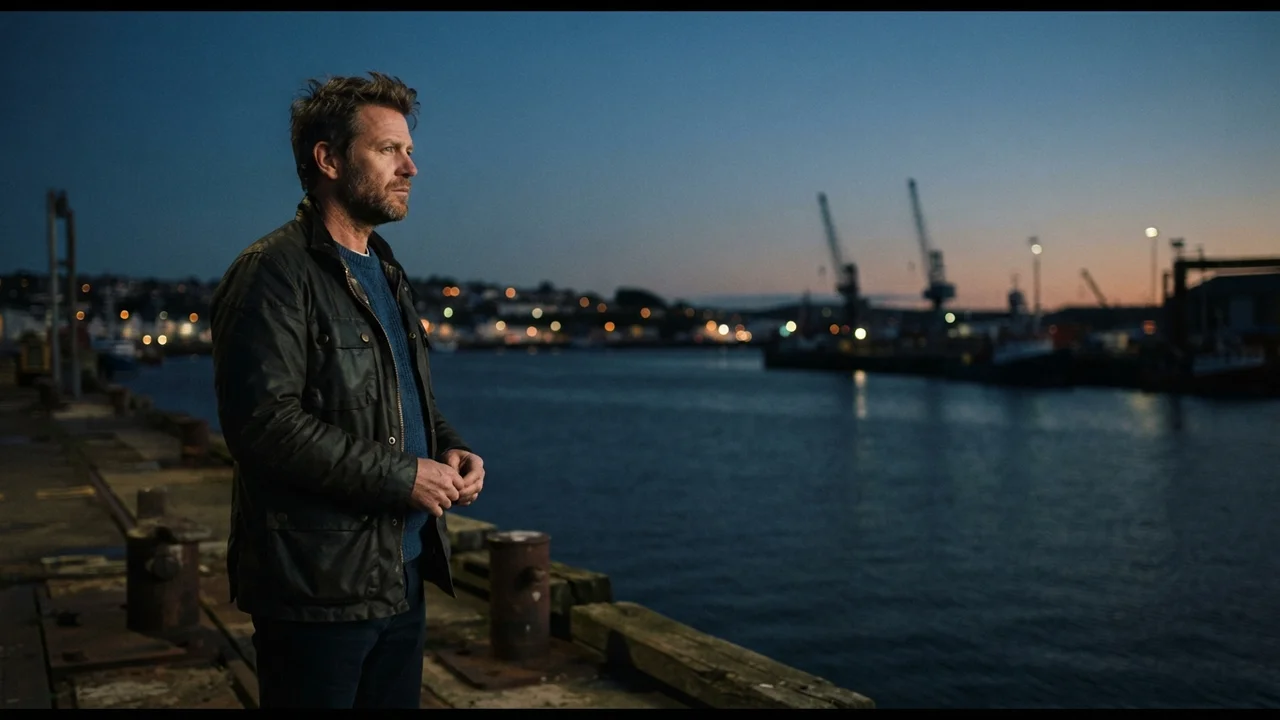
In standard 16:9 formats, the optimal looking room in close-ups is at least 40% of the image width, and in medium shots, approximately 50-60%. The measurement is taken from the bridge of the person's nose to the edge of the frame. Three variants are distinguished: Leading Space (in front of moving objects), Look Space (in front of looking persons), and Speaking Space (in front of speaking actors in dialogue situations). The proportions often follow the rule of thirds, with the subject positioned on a vertical third and the looking room occupying the remaining two-thirds.
History & Development
Sergei Eisenstein documented the first systematic applications in "Battleship Potemkin" in 1924, where directed gazes were amplified through appropriate spatial arrangement. Hollywood cinematographer Gregg Toland perfected the technique in 1941 in "Citizen Kane" through deep-focus photography with precisely calculated sightlines. The Nouvelle Vague consciously broke with these conventions from 1959 onwards – Jean-Luc Godard systematically eliminated looking room in "Breathless" through extreme centering of the figures. Modern digital workflows have enabled subsequent adjustments through reframing in post-production since the 2000s.
Practical Application in Film
Stanley Kubrick used extremely generous looking room of up to 80% image width in "2001: A Space Odyssey" (1968) to visualize the astronauts' isolation. Conversely, Paul Thomas Anderson compressed the space to under 20% in "Phantom Thread" (2017) to create psychological pressure. In action films, the looking room in front of moving vehicles is extended to at least 60% to suggest speed. In shot/reverse shot editing, the space systematically inverts between takes.
Comparison & Alternatives
Looking room should be distinguished from general headroom (vertical space above heads) and lead room (space in front of moving objects without reference to persons). Center framing deliberately eliminates all looking room, centering subjects precisely – a technique Wes Anderson uses for his stylistic signature. Jump cuts can abruptly alter looking room, while Steadicam movements dynamically adjust it. In smartphone content in 9:16 format, the available horizontal space is significantly reduced, requiring alternative compositional strategies.