Technical Details
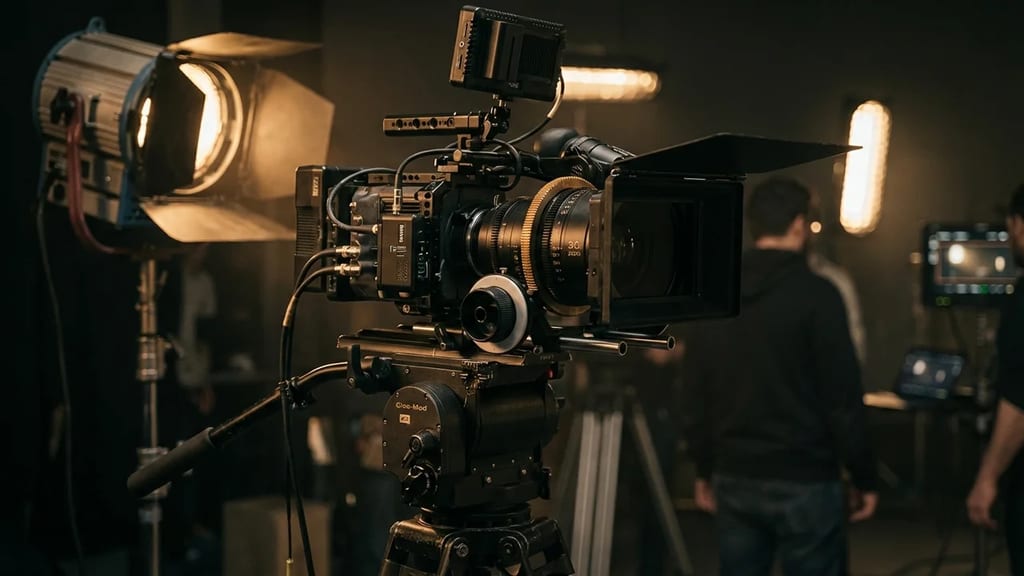
Standard cine-mods include the installation of 0.8 gear pitch rings on the focus ring (270-300° rotation range) and aperture ring (90-120° rotation range). The focus throw is extended to cinema standard of 270°, compared to the original 90-120° on photo lenses. Declicking the aperture rings allows for stepless aperture value changes during recording. Additionally, uniform front diameters (usually 80mm or 95mm) are installed for matte box systems, and lens length is standardized to minimize lens breathing when changing lenses.
History & Development
The first systematic cine-mods emerged around 2008 from Duclos Lenses and GL Optics, as DSLR cameras like the Canon 5D Mark II revolutionized film production. In 2010, the 0.8 gear pitch established itself as an industry standard. Zeiss introduced factory-modified versions of their ZF lenses in 2011 with the CP.2 series. Since 2015, manufacturers like Sigma, Tokina, and Rokinon have offered direct cinema versions of their lenses, leading to a decline in the aftermarket mod market for high-end optics.
Practical Use in Film
Shane Hurlbut exclusively used cine-modded Canon L lenses on RED Epic cameras for "Act of Valor" in 2012. Typical workflow: lenses are sent to the modifier 4-6 weeks before shooting begins, with costs ranging from 800-2,500 Euros per lens. For "The Avengers" (2012), Seamus McGarvey utilized cine-modded Leica Summilux lenses for handheld sequences. Advantage: a cost-effective alternative to Zeiss Master Primes (25,000+ Euros) with comparable optical quality. Disadvantage: 2-4 weeks delivery time and loss of warranty.
Comparison & Alternatives
Cine-mods differ from native cinema lenses by retrofitting existing photo optics, whereas true cinema lenses are developed from the ground up for film production. Modern alternatives include factory cinema versions like the Sigma Cine or Canon CN-E series. For low-budget productions, cine-mods remain attractive: a cine-modded Canon 24-70mm L costs 3,500 Euros total, while a comparable new Canon CN-E 24-70mm costs 8,500 Euros. For high-end productions, native cinema optics are increasingly dominant due to better quality control and manufacturer warranty.