Filmlexikon.
Support
Canon Cine-Servo
Camera · Lenses

Canon Cine-Servo

Murnau AI illustration
flow para roll take

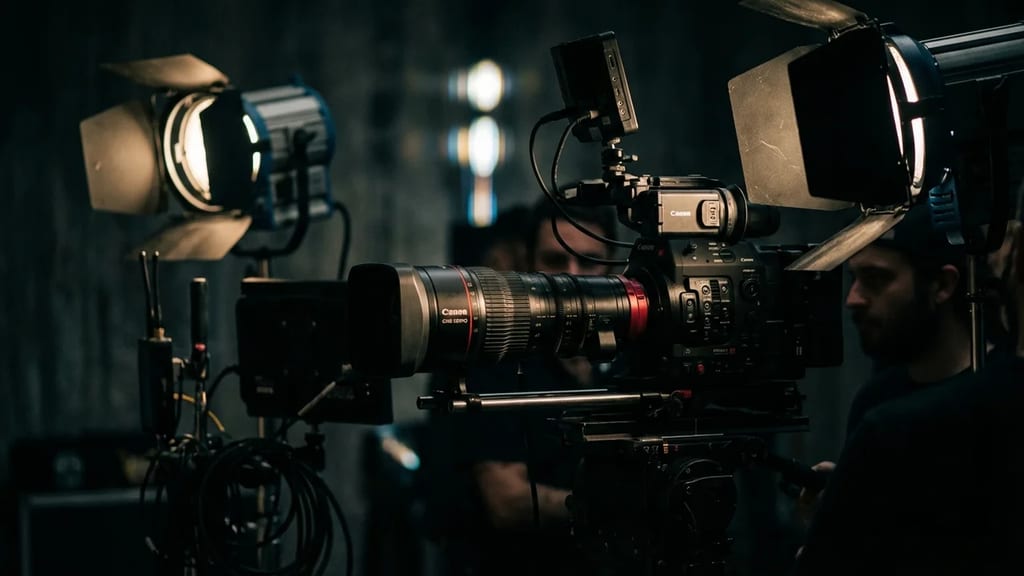
Canon zoom lenses with integrated servo motors for motorized zoom, focus, and iris control. Enable ultra-slow-motion zooms up to 90 minutes across the full focal range.

Technical Details

The CN7x17 KAS S (17-120mm T2.95) as the flagship of the series offers a 7x zoom with a constant T2.95 across the entire focal length range. The CN20x50 IAS H (50-1000mm) achieves a 20x magnification with a weight of 5.1 kg. All models utilize Canon's 20-pin connector for digital communication with compatible cameras and support Super35 and full-frame sensors. The integrated servo motors enable ultra-slow-motion zooms with a minimum speed of 90 minutes for the complete zoom range.

History & Development

Canon introduced the first Cine-Servo generation at NAB in 2012, based on their experience with ENG lenses from the 1980s. In 2014, the expanded series followed with the CN7x17, which offered constant aperture across the entire zoom range for the first time. The H models (Hybrid), introduced in 2018, combined manual and motorized operation in a single lens for the first time.

Practical Use in Film

Netflix series like "The Crown" use CN7x17 lenses for seamless zoom movements in dialogue scenes without visible exposure jumps. In documentaries, the slow servo speeds allow for subtle focal length changes during live shooting. The CN20x50 is used in nature films where extreme telephoto focal lengths are required with simultaneous zoom flexibility. The main advantage lies in the repeatability of camera movements for VFX work, while the disadvantage is the higher weight compared to prime lenses.

Comparison & Alternatives

Unlike Fujinon Cabrio lenses, Cine-Servos use Canon's own protocol instead of standard RS-422. Angénieux Optimo zooms offer comparable optical quality without servo drive. Modern alternatives include the Canon Sumire Primes with electronic connections or RED Pro Zooms with integrated camera communication. Cine-Servos are suitable for controlled production environments with repeatable movements, while manual zooms remain more flexible in spontaneous shooting situations.

From the crafts

Perspectives

Cinematographer

Ich schätze die konstante T2.95 des CN7x17 besonders bei Available-Light-Situationen, da ich während des Zooms keine Belichtungskorrektur vornehmen muss. Die präzise Servo-Steuerung ermöglicht mir unmerkliche Brennweitenänderungen innerhalb einer Einstellung, ohne dass Schauspieler oder Zuschauer die Bewegung bewusst wahrnehmen.

Director

Die Ultra-Slow-Motion-Zoom-Funktion nutze ich für subtile emotionale Verstärkung – ein 90-minütiger Zoom von 17mm auf 120mm kann die psychologische Anspannung einer Szene graduelle steigern. Bei Wiederholungen von Takes kann ich exakt dieselben Kamerabewegungen reproduzieren, was mir mehr Schnittoptionen in der Post gibt.

Producer

Ein CN7x17 kostet etwa 47.000 Euro, ersetzt aber drei bis vier Festbrennweiten und reduziert Objektivwechsel-Zeit um durchschnittlich 15 Minuten pro Drehtag. Die digitale Integration spart mir einen zusätzlichen Focus Puller bei einfacheren Szenen, allerdings benötige ich spezielle Canon-kompatible Kamerasysteme, was die Equipmentauswahl einschränkt.

More in the lexikon

Related terms

Test your knowledge

Quiz

1. Zu welchem Department gehört „Canon Cine-Servo"?

2. Wie viele verschiedene Fachperspektiven bietet dieser Eintrag?

Report an error
From the Filmfarm ecosystem

Understand visual language, budget productions, connect crew.

The Lexikon is part of the Filmfarm ecosystem — alongside budgeting (FilmBalance), an industry magazine (FilmCircus) and crew networking (FilmCall, CrewMesh). One shared vocabulary for the whole production.

FilmFarm FilmRadarComing soonFilmPulseComing soonFilmNumbersComing soonFilmCapitalComing soonFilmLabComing soonFilmBalanceComing soonFilmCircusComing soon