Filmlexikon.
Support
Angenieux Optimo Anamorphic
Camera · Equipment

Angenieux Optimo Anamorphic

Murnau AI illustration
angenieux optimo prime angenieux optimo angenieux angenieux ez angenieux type ez

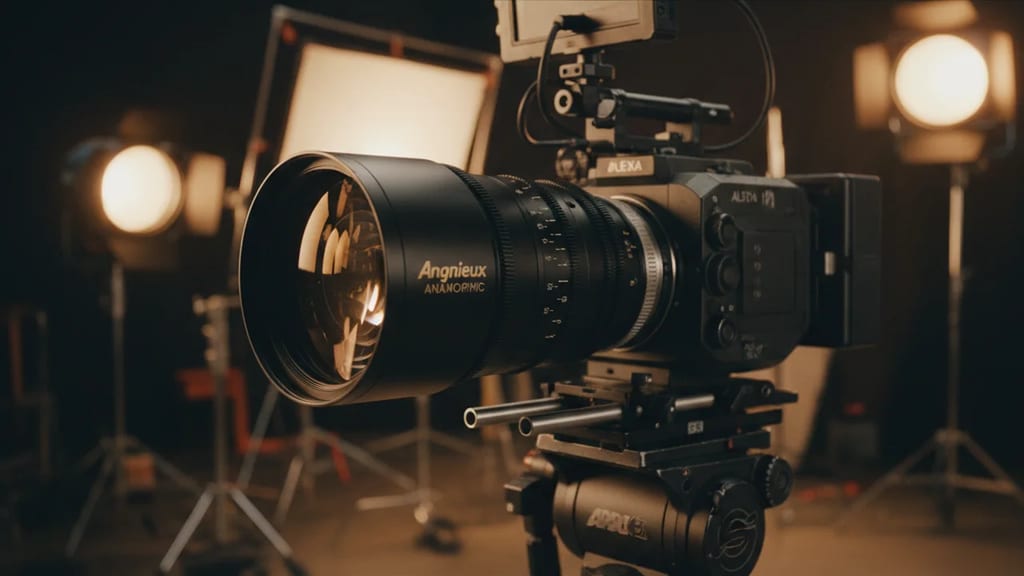
Angenieux anamorphic zoom lenses with 2:1 compression; 30–72mm and 56–152mm focal lengths, constant T4.0 aperture, distinctive oval bokeh characteristics.

Technical Details

The Optimo Anamorphic lenses weigh between 3.8kg (30-72mm) and 4.2kg (56-152mm) with a length of 318mm and 338mm respectively. The front diameter is uniformly 134mm with an M92x1 filter thread. The flange focal distance corresponds to the PL Mount standard (52mm), while the close focus distance is 0.8m (30-72mm) and 1.2m (56-152mm) respectively. The characteristic oval bokeh highlights are created by the anamorphic compression, with horizontal lens flares showing the typical bluish stray light. The optical design is based on 20-22 lens elements in 14-15 groups with special anti-reflective coating.

History & Development

Angenieux developed the Optimo Anamorphic series between 2008-2010 in response to the renaissance of the anamorphic format in digital cinema. The 30-72mm focal length appeared in 2009, followed by the 56-152mm variant in 2010. In contrast to the classic Panavision anamorphics of the 1960s, the Optimos enabled anamorphic zooming without image distortion for the first time. In 2016, Angenieux introduced firmware updates for improved metadata transmission to digital cameras. The latest generation (since 2019) offers optimized coatings for 8K resolution.

Practical Use in Film

Cinematographer Roger Deakins used the Optimo Anamorphics for "Skyfall" (2012) to achieve dynamic camera movements with a consistent anamorphic look. The series is used in high-end productions such as "The Dark Knight Rises" (Wally Pfister, 2012) or "Mad Max: Fury Road" (John Seale, 2015). The variable focal length range eliminates lens changes during action sequences, while the constant T4.0 aperture guarantees even exposure. Typical workflows combine the 30-72mm for wide shots and the 56-152mm for close-ups and detail shots.

Comparison & Alternatives

In contrast to Panavision C-Series or E-Series Anamorphics, the Optimos offer zoom functionality without mechanical compromises. ARRI Master Anamorphics achieve higher apertures (T1.9) but are limited to prime lenses. Cooke Anamorphic/i lenses cost approximately 40% less but exhibit stronger distortion at extreme focal lengths. Modern alternatives such as Atlas Orion Anamorphics (since 2018) or Sigma Cine Anamorphics (since 2020) cater to budget-conscious productions but do not achieve the optical precision of the Angenieux series.

From the crafts

Perspectives

Cinematographer

Ich schätze die Optimo Anamorphics für ihre Schärfekonstanz über den gesamten Zoombereich – bei T4.0 bleiben selbst die Bildecken knackig scharf. Das Bokeh hat diese charakteristisch ovale Form ohne nervöse Doppelkonturen, die bei billigeren Anamorphoten auftreten. Der Fokus-Breathing ist minimal, was bei Schärfeverlagerungen entscheidend ist.

Director

Diese Objektive geben mir die emotionale Weite des Cinemascope-Formats mit der praktischen Flexibilität des Zoomens. Ich kann während einer Dialogszene stufenlos von der Zweieinstellung zur Nahaufnahme wechseln, ohne den anamorphotischen Charakter zu verlieren. Die horizontalen Lens Flares verstärken dramatische Lichtmomente perfekt.

Producer

Ein Optimo Anamorphic Set kostet etwa 320.000€, amortisiert sich aber durch reduzierte Drehzeiten und weniger Objektivwechsel. Die Miete liegt bei 1.200€/Woche pro Objektiv – deutlich günstiger als komplette Panavision-Pakete. Einziger Kostenfaktor: Das Gewicht erfordert stärkere Kamera-Rigs und geübte Assistenten.

More in the lexikon

Related terms

Test your knowledge

Quiz

1. Was beschreibt „Angenieux Optimo Anamorphic" am besten?

2. Zu welchem Department gehört „Angenieux Optimo Anamorphic"?

3. Wie viele verschiedene Fachperspektiven bietet dieser Eintrag?

Report an error
From the Filmfarm ecosystem

Understand visual language, budget productions, connect crew.

The Lexikon is part of the Filmfarm ecosystem — alongside budgeting (FilmBalance), an industry magazine (FilmCircus) and crew networking (FilmCall, CrewMesh). One shared vocabulary for the whole production.

FilmFarm FilmRadarComing soonFilmPulseComing soonFilmNumbersComing soonFilmCapitalComing soonFilmLabComing soonFilmBalanceComing soonFilmCircusComing soon