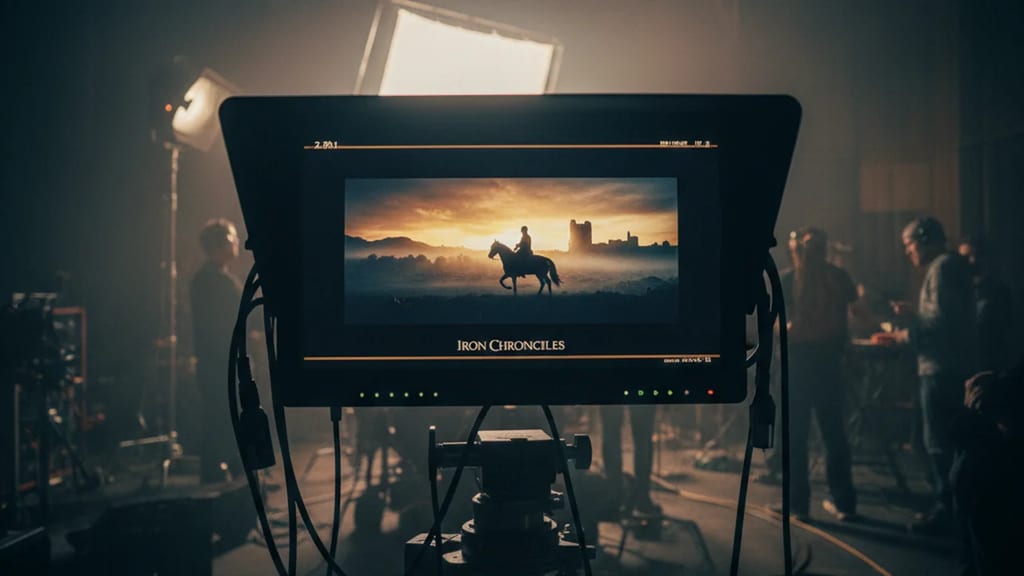
Technical Specifications
The 2.39:1 aspect ratio was defined as the standard for anamorphic 35mm cinema by SMPTE in 1970. The minimal adjustment from 2.35:1 (from 2.35:1 to 2.39:1) resulted from a recalculation of the projector aperture for improved optical soundtrack compatibility.
Technical Parameters:
- SMPTE Standard: SMPTE 195-1998
- Projected Aperture: 20.96mm x 8.77mm (35mm Anamorphic)
- Pixel Equivalent (4K DCI): 4096 x 1716 pixels (2.39:1)
- Ratio to 16:9: 34% wider, significant letterboxing
Digital cameras offer native 2.39:1 modes:
- ARRI Alexa 35: 4.6K Open Gate → 2.39:1 Crop
- RED V-Raptor: 8K Full Frame → 2.39:1 Crop at 6K resolution
- Sony Venice 2: 8.6K Full Frame with 2.39:1 sensor mode
The difference between 2.35:1 and 2.39:1 is practically negligible (< 2% height difference) – both terms are often used interchangeably.
History & Development
The adjustment from 2.35:1 to 2.39:1 occurred in 1970 through SMPTE standardization. The technical reason was the recalculation of the projector aperture for optimal optical soundtrack positioning – the image center was shifted slightly upwards.
In the analog era, the difference was barely perceptible. With digital projection and pixel-accurate mastering, 2.39:1 became the defined standard. DCI (Digital Cinema Initiative) adopted 2.39:1 as the "Scope" container for digital cinema prints.
Today, 2.39:1 is the universal scope standard for all digital workflows, although "2.35:1" continues to be used colloquially.
Practical Use in Film
Christopher Nolan's "Oppenheimer" (2023) strategically uses IMAX and 2.39:1 formats – the scope sequences mark dramatic tension, while IMAX is reserved for epic moments. DP Hoyte van Hoytema seamlessly switches between formats.
Denis Villeneuve's "Dune" (2021) showcases the strength of 2.39:1 for science fiction epics – the desert landscapes of Arrakis benefit from the horizontal expanse. DP Greig Fraser used ARRI Alexa LF with Panavision Ultra Vista anamorphic lenses.
The Marvel Cinematic Universe standardized 2.39:1 for all theatrical releases – the consistent aesthetic signals "blockbuster" quality and distinguishes theatrical films from TV spin-offs.
Digital Workflows & Alternatives
Open Gate Workflow: Modern DPs shoot in the maximum possible sensor resolution and crop to 2.39:1 in post-production. This allows for reframing, stabilization, and VFX freedom without loss of quality.
Spherical vs. Anamorphic: Spherical lenses + 2.39:1 crop create a clean, modern aesthetic. Anamorphic lenses + 2.39:1 de-squeeze create classic CinemaScope artifacts (oval bokeh, horizontal flares).
IMAX Hybrid: Films like "Top Gun: Maverick" switch between 2.39:1 and 1.43:1 IMAX – the format changes become a narrative tool.
The 2.39:1 standard remains the dominant format for visually ambitious cinema and signals cinematic intent over TV production.