
Horizontal 35mm film transport with eight perforations per frame in modified Mitchell cameras, delivering exceptional sharpness without anamorphic distortion.
Famous examples · VistaVision
Vertigo
Hitchcock used VistaVision to render the dreamlike yet precise images of San Francisco with extraordinary sharpness and depth, underscoring the film's psychological intensity. The horizontally transported 35mm negative delivered image quality that made Robert Burks's surreal color compositions possible.

White Christmas
White Christmas was the very first commercially released VistaVision film, impressively demonstrating how the new format could render Technicolor colors and stage sets with unprecedented image sharpness. The film served Paramount as a showcase for the new technology.

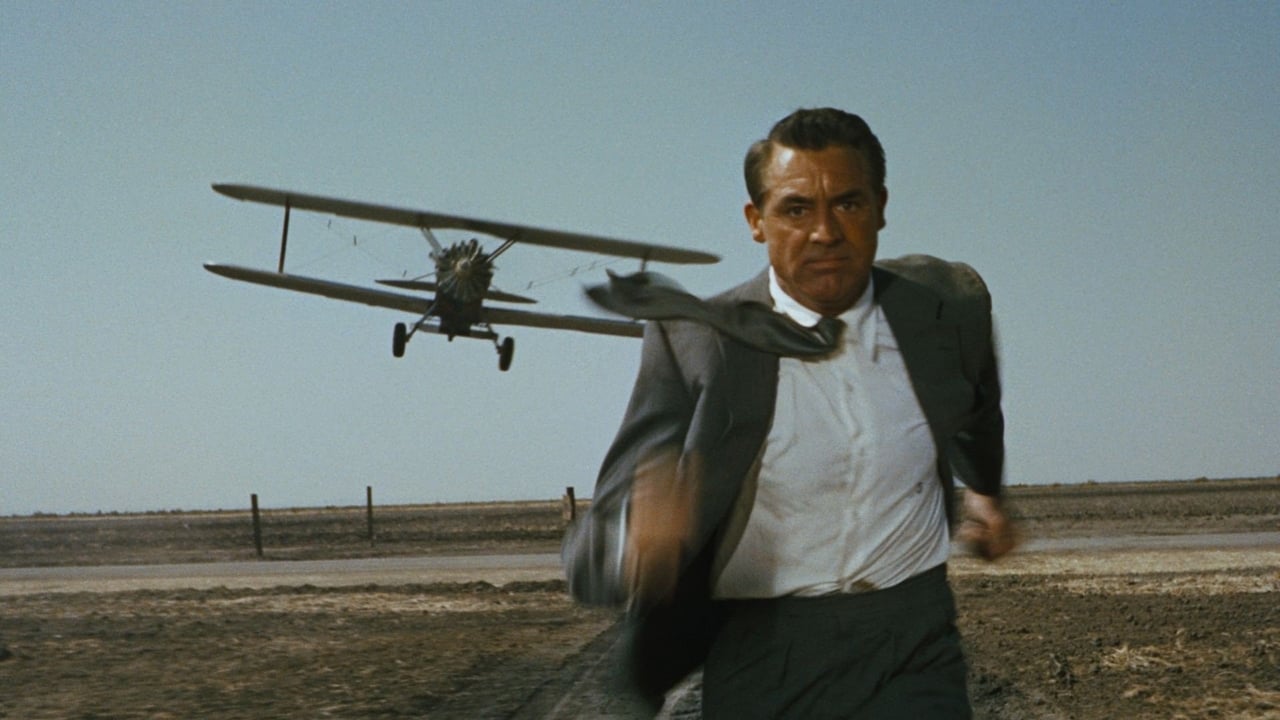
North by Northwest
The famous crop-duster chase scene in the open fields of Indiana gained its oppressive impact through the extreme sharpness and depth of field of the VistaVision format, visually maximizing the protagonist's vulnerability in the empty landscape. VistaVision enabled a precision here that competing widescreen formats could not match.
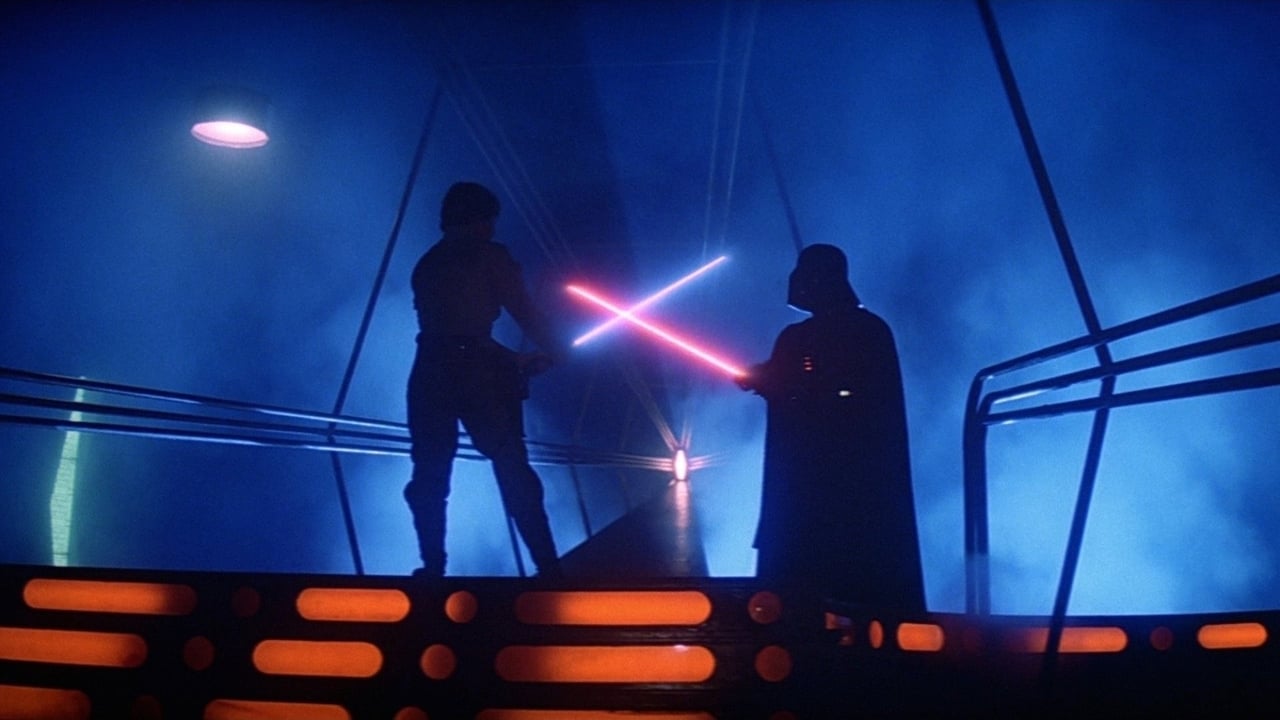
The Empire Strikes Back
Industrial Light & Magic used VistaVision cameras for special effects photography, as the larger horizontal negative produced significantly less grain and quality loss during optical compositing than standard 35mm. This revival of the format as a VFX tool substantially shaped the blockbuster aesthetic of the 1980s.
Film stills sourced via the TMDB API. This product uses the TMDB API but is not endorsed or certified by TMDB. themoviedb.org ›
Technical Details
The system uses specially modified Mitchell or Technicolor cameras, in which the 35mm film is transported horizontally from left to right, utilizing eight perforations per frame instead of the usual four vertically. The film speed is 114 feet per minute instead of the standard 90 feet. For projection, the large negative is either anamorphically reduced to 35mm prints in a 1.85:1 or 1.66:1 aspect ratio, or transferred to 70mm prints. The horizontal film transport enables exceptionally high image sharpness and reduced grain structure, as the larger negative area requires less magnification during projection.
History & Development
Paramount introduced VistaVision in 1954 with "White Christmas" as a response to the CinemaScope successes of 20th Century Fox. Chief Engineer Loren L. Ryder developed the system together with technicians John Bishop and Barton Kreuzer. Between 1954 and 1961, over 60 VistaVision productions were made, including Hitchcock's "Vertigo" (1958) and "North by Northwest" (1959). The process proved too costly for regular studio operations and was discontinued in 1961, but it was revived as "Motion Control VistaVision" in the 1970s at Industrial Light & Magic for special effects.
Practical Use in Film
Douglas Trumbull used modified VistaVision cameras for the star field sequences in "2001: A Space Odyssey" (1968). ILM systematically employed the format for matte paintings and compositing in "Star Wars" (1977), as the horizontal film transport allowed for more precise multiple exposures. Modern productions like "The Dark Knight" (2008) used IMAX cameras based on a similar principle. The workflow requires custom-built camera housings and film transport mechanisms, as standard 35mm cameras cannot be operated horizontally.
Comparison & Alternatives
Unlike CinemaScope, which uses anamorphic lenses for image compression, VistaVision achieves widescreen images through a larger negative area without optical distortion. Technirama combined both approaches with horizontal transport and anamorphic lenses for 2.35:1 projections. Modern 65mm/70mm formats like IMAX use vertical transport but achieve similar image quality. Super 35 today offers a more cost-effective alternative for high-resolution widescreen images, while digital cameras leverage the advantages of large sensor areas without the mechanical film transport complexity.