
Horizontal camera rotation around the vertical axis, executed with fluid head systems such as Sachtler Video 25 at speeds ranging from 0.1°/s to 180°/s.
Famous examples · Pan
Lawrence of Arabia
Freddie Young's slow, majestic pans across the Arabian desert landscape define the epic panoramic pan as a tool for spatial exploration – the camera follows the horizon, making the sheer vastness of space palpable.

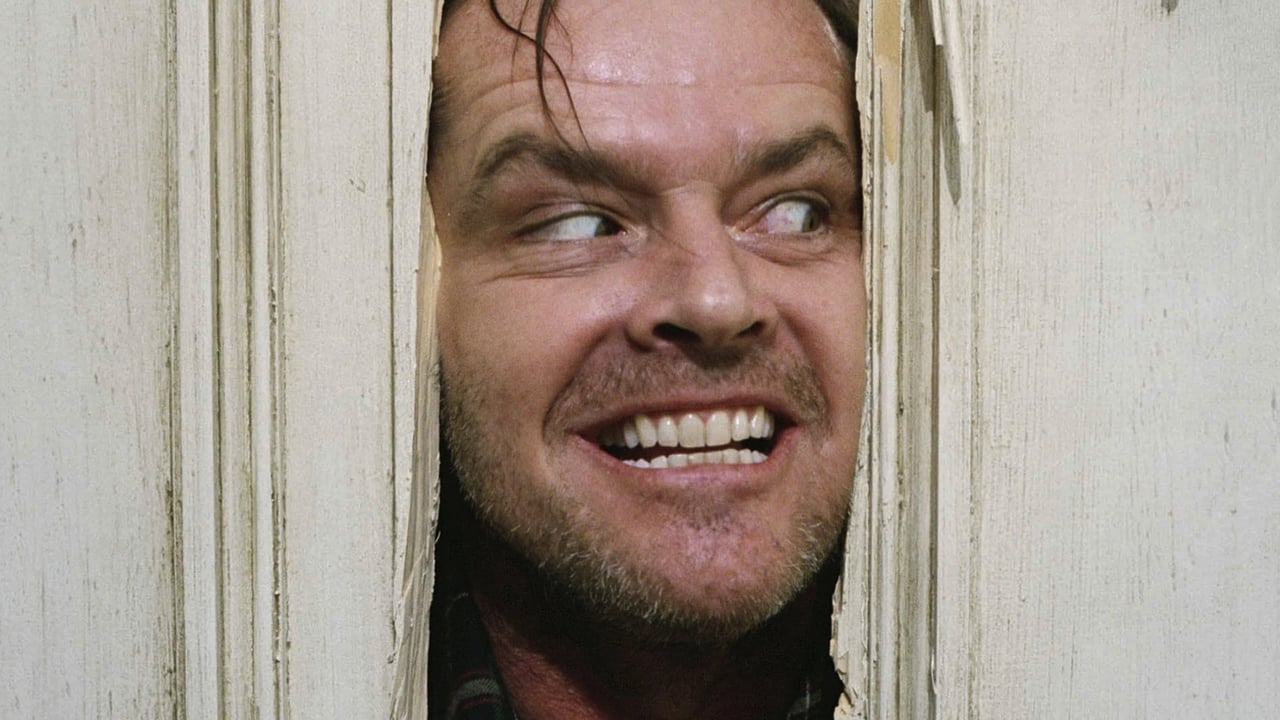
The Shining
Kubrick's precise pans in the Overlook Hotel – such as when the camera follows Jack's movements through the lobby – use horizontal axis movement to generate menace and spatial disorientation.
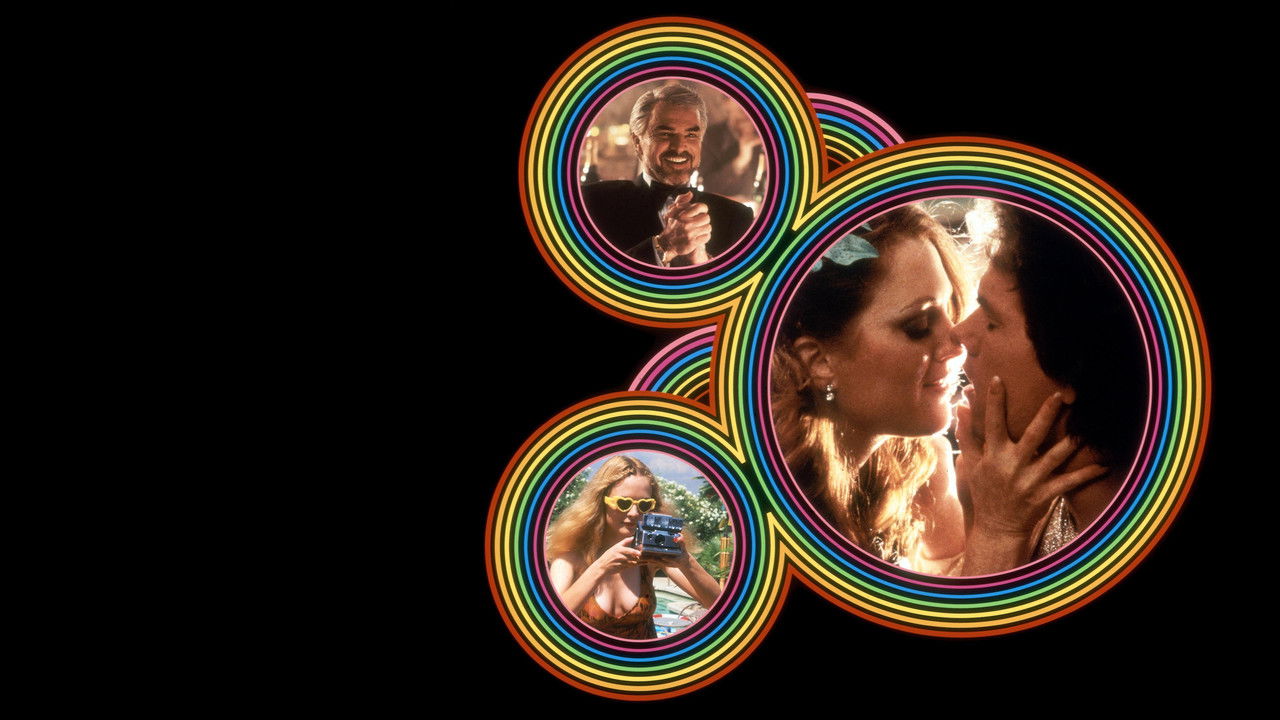
Boogie Nights
Paul Thomas Anderson's virtuosic opening sequence combines pans with dolly moves into an uninterrupted choreographic introduction of all characters – the pan here becomes a narrative instrument mapping social spaces and hierarchies.
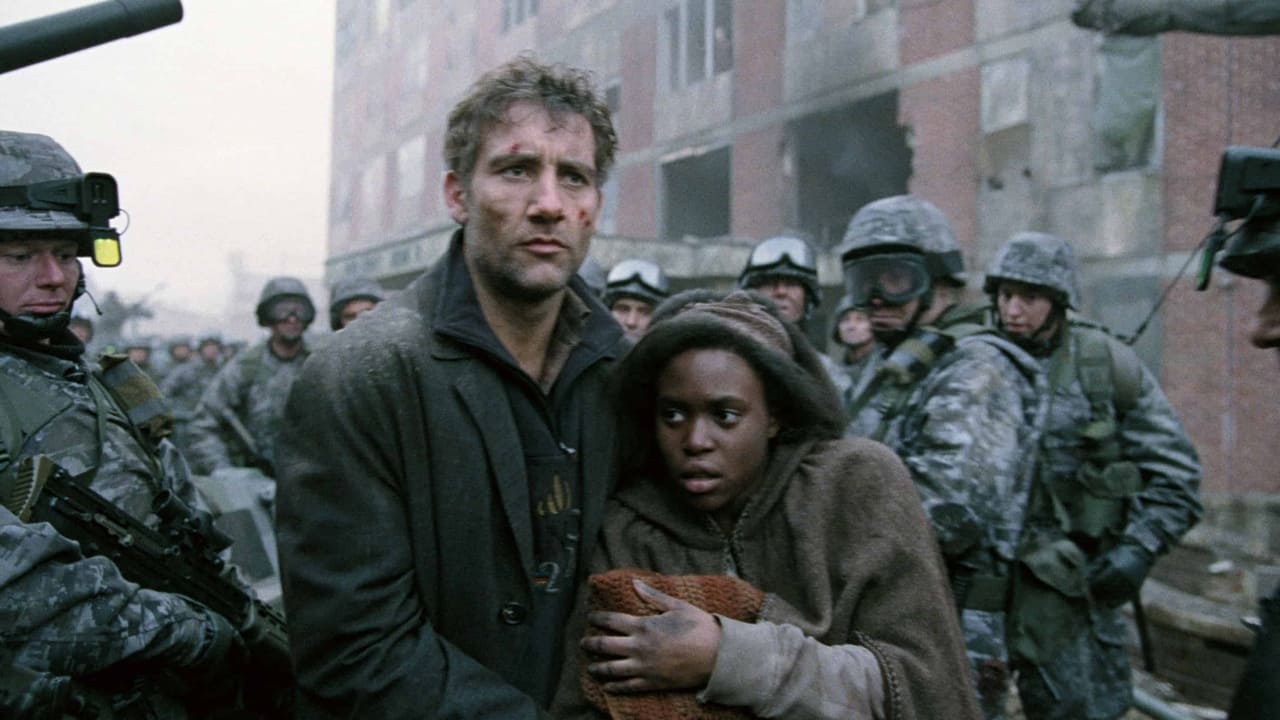
Children of Men
Lubezki and Cuarón's famous war sequences use rapid, reactive pans within long takes to authentically capture the chaos of combat – the camera reacts like a human eye to unpredictable events.
Film stills sourced via the TMDB API. This product uses the TMDB API but is not endorsed or certified by TMDB. themoviedb.org ›
Technical Execution & Equipment Specifications
Fluid-Head Systems (Standard)
Sachtler Video 25 Plus (Industry Standard)
- Payload: up to 32kg
- Drag Stages: 16 Pan + 9 Tilt Drag Positions
- Speed: 0.1°/s - 120°/s controllable
- Precision: ±0.5° for normal pans
- Cost: €4,500-€6,500 purchase
- Advantage: Smoothest fluid damping, Hollywood standard
- Standard for: High-End Feature Films
O'Connor 2575 (Premium Alternative)
- Payload: up to 35kg
- Fluid-Drag: 8 Pan + 8 Tilt Positions
- Speed: 0.05°/s - 150°/s
- Precision: ±0.3° (slightly more precise than Sachtler)
- Cost: €5,000-€7,000
- Advantage: Extremely balanced, oil-free system
- Standard for: European Productions
Miller HDC 300 (Motion Control)
- Motorized 3-axis control
- Programmable speed curves
- Precision: ±0.02° (highly accurate)
- Speed: 0.01°/s - 180°/s programmable
- Cost: €15,000-€20,000 purchase
- Advantage: Repeatable take-by-take precision
- Standard for: VFX integration, motion control shows
Compact Tripod Heads (Budget)
- Payload: up to 20kg
- Drag Stages: 3-5 positions
- Precision: ±2-5° (for casual shots)
- Cost: €800-€2,000
- Advantage: Quick setup, travel-friendly
- Standard for: Documentaries, low-budget
Tripod Systems (Support)
Sachtler System FSB 8 Tripod
- Weight: 23kg base, 75kg ballast capacity
- Height adjustment: 700-1,350mm center position
- Stability: ±2mm sway under operating conditions
- Cost: €3,000-€4,500
- Standard for: Studio productions, studio sets
Manfrotto Super Sturdy System
- Compact, modular tripod
- Height: 560-1,700mm variable
- Weight: 16kg (transportable)
- Cost: €1,500-€2,500
- Standard for: Location shooting, quick setups
Remote-Head Systems (Motorized)
- Libra Head (Ronin-Style): Integrated with DJI gimbal, ±0.02° precision
- Technocrane Remote Head: For crane mounting, 0.05°/s - 180°/s
- Rialto System: Highest precision for VFX (±0.01°)
Pan Types & Speed Profiles
Whip Pan (Fast Pan)
- Speed: 90-180°/s
- Effect: Rapid transitions, dramatic cuts
- Timeframe: 0.5-2 seconds for 90° pan
- Application: Action, surprises, transitions
- Fluid setting: Position 0-1 (minimal drag)
Normal Pan (Standard Pan)
- Speed: 15-45°/s
- Effect: Natural, grounded, narrative
- Timeframe: 4-8 seconds for 90° pan
- Application: Standard dialogue, establish shots
- Fluid setting: Position 3-4 (moderate damping)
Slow Pan (Slow Motion Pan)
- Speed: 3-8°/s
- Effect: Contemplative, revealing, emotional
- Timeframe: 15-30 seconds for 90° pan
- Application: Landscapes, emotional reveal
- Fluid setting: Position 6-7 (strong damping)
Ultra-Slow Pan (Meditative Pan)
- Speed: <2°/s
- Effect: Monumental, timeless
- Timeframe: 60+ seconds for 90° pan
- Application: Arthouse cinema, experimental
- Fluid setting: Position 8-9 (maximum damping)
History & Development
The first documented camera pan occurred in 1897 in Lumière's "Départ de Jérusalem en chemin de fer," executed by Alexandre Promio. D.W. Griffith systematized various panning techniques for narrative purposes between 1908-1915. In 1920, the Mitchell Camera Corporation developed the first professional fluid head with glycerin damping. Electronic motion control systems like the Milo system (1994) enabled millimeter-accurate, reproducible pans. Digital gimbal systems since 2010 have revolutionized handheld panning movements.
Practical Use in Film
Kubrick's 360° pan in "The Shining" (ballroom scene) utilized a specially constructed dolly with a 7.5m diameter. The Coen Brothers systematically use 45° pans at a constant 8°/s speed for transitions. For action sequences, pans are shot with 50mm lenses at f/5.6 to control motion blur. Documentaries utilize handheld pans with IS lenses at a 1/125s shutter speed for authentic movement language.
Comparison & Alternatives
Pans differ from tracking shots in that the camera's mounting point is fixed – in tracking shots, the entire camera moves spatially. A dolly zoom combines a pan with a simultaneous change in focal length. Modern gimbal systems like the DJI Ronin 4D replace traditional tripod heads with 3-axis stabilization featuring follow modes. Virtual reality productions use 360° cameras that simulate pans in post-production, whereas classic pans directly control the viewer's spatial experience.