
A single comprehensive camera angle that captures an entire scene from beginning to end, typically in a wide or medium-wide shot, establishing spatial relationships and allowing the action to unfold continuously.
Famous examples · Master Shot
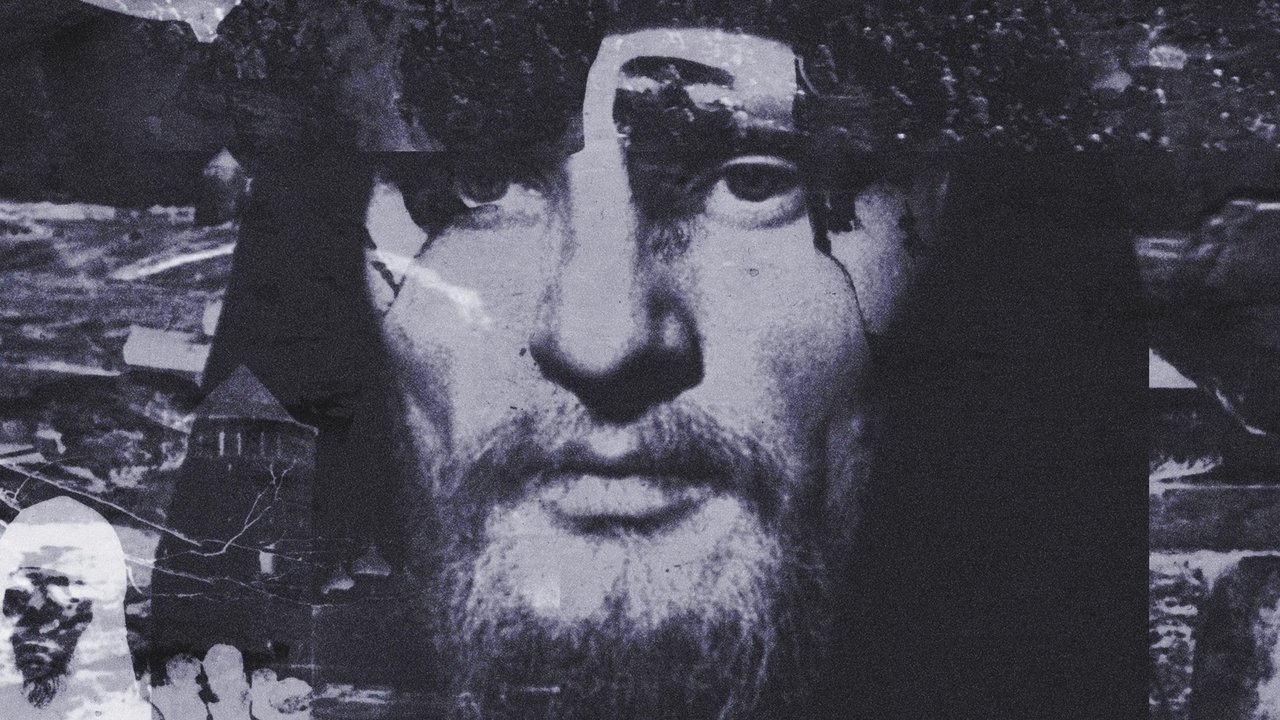
Andrei Rublev
Tarkovsky and Yusov use extended master shots to capture entire scenes in their spatial and emotional completeness, avoiding conventional shot-reverse-shot patterns. The wide establishing shots anchor characters within their historical and spiritual environment.
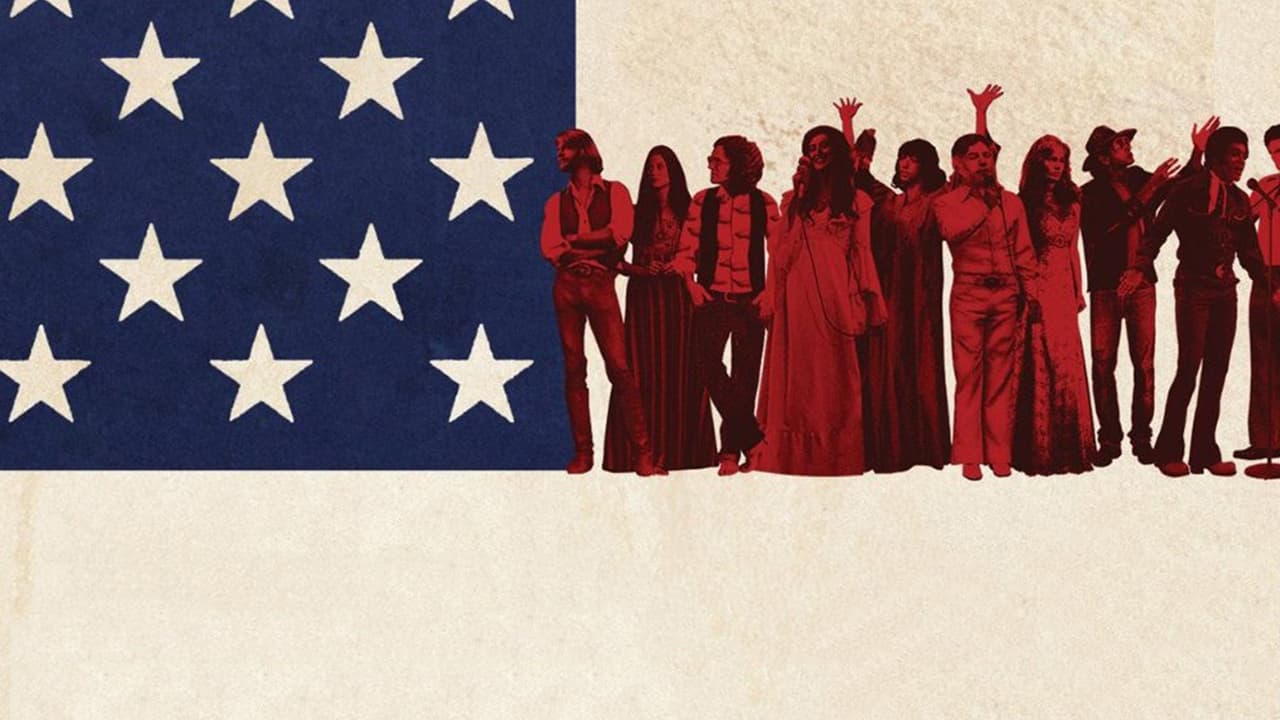
Nashville
Altman uses the master shot as a dramaturgical foundation to keep his large ensemble simultaneously in frame and make spatial relationships between characters transparent. The wide shots enable the overlapping improvisational performances typical of Altman's style.
Gosford Park
Altman and Dunn consistently employ wide master shots in the grand social spaces to make the class hierarchy between masters and servants spatially visible. The establishing shots serve as an orientation framework for the complex constellation of characters.
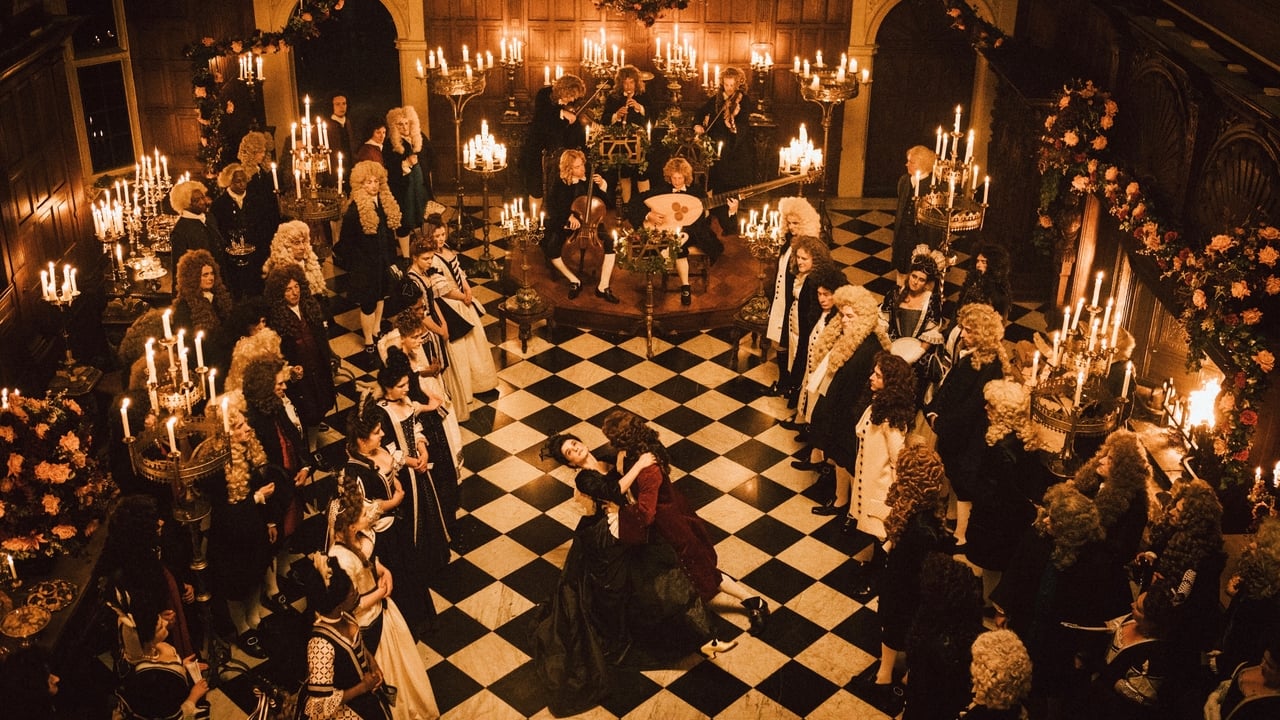
The Favourite
Robbie Ryan employs wide-angle master shots that capture entire rooms and power dynamics in a single frame, exposing the characters in their relative positions to one another. The distorted wide shots comment on the power games at the English royal court.
Film stills sourced via the TMDB API. This product uses the TMDB API but is not endorsed or certified by TMDB. themoviedb.org ›
Definition
The Master Shot (also called Totale or Gesamtaufnahme) is a comprehensive camera shot that captures an entire scene from beginning to end. Typically, it is shot in a wide or medium-wide shot, with all key actors and the spatial environment visible.
Characteristics of a Good Master Shot
- Spatial Clarity – Audience understands the spatial geometry
- Continuous Action – Played out in full or almost full
- Actor Positioning – All key characters visible
- Action Continuity – Forms the basis for coverage
- Visual Clarity – No confusion about positions
Technical Specifications
Focal Length
- Usually 24-50mm, rarely wider
- Natural perspective without distortion
- Allows for spatial depth and clarity
Camera Position
- Usually 3-8 meters from the action
- At eye level (1.40-1.60m) or neutral
- Position must show all key actors
Exposure
- Optimized for the overall scene, not details
- Contrast range of 8-10 stops
- Coverage material handles details
Focus
- Usually continuously adjusted
- Focus puller follows key actors
- Manually tracked during movement
Classic Master Shot Structures
Static Master
- Camera on a tripod
- Actors move within the frame
- Classic, stable, controlled
- Example: Dialogue scenes indoors
Tracking Master
- Camera follows action with dolly/Steadicam
- Smooth, choreographed movement
- Requires precise planning
- Example: Walk-and-talk sequences
Crane Master
- Overhead or movement across multiple levels
- Shows spatial complexity
- Technically demanding
- Example: Action sequences, chases
Fixed-Camera Master
- Fixed camera position, action plays out in front of a fixed camera
- Theatrical, predictable
- Example: "Dogville" (by Trier)
Master Shot in Film History
Silent Film Era (1920s)
The Master Shot system established itself as the standard method for efficient scene coverage. Directors like John Ford and F.W. Murnau choreographed complex actions in a continuous shot – combining technical and narrative elegance.
Hollywood Golden Age (1930s-1950s)
The Master System became standard: Master Shot + Coverage. Orson Welles in "Citizen Kane" (1941) used Master Shots in combination with extreme compositions – the master becomes an art form.
Nouvelle Vague (1960s)
Godard and Truffaut deliberately reduced Master Shots or filmed entire scenes in single Master Shots without coverage – radical and liberating.
Digital Age (2000s-Present)
Longer Master Shots possible due to digital storage. "Gravity" (2013) and "1917" (2019) expand the Master concept with longer sequence shots.
Orson Welles – "Citizen Kane" (1941)
The iconic party sequence in Xanadu: A Master Shot shows spatial complexity and dramatic tension. The composition and lighting make this one of the most perfect Master Shots in film history.
Stanley Kubrick – "2001: A Space Odyssey" (1968)
Master Shots of the space station sequences establish scale and overall design. Each Master Shot is a visual statement.
Francis Ford Coppola – "The Godfather" (1972)
Master Shots of the Corleone villa and family scenes. The Master Shot becomes a visual marker for family and power.
Quentin Tarantino – "Pulp Fiction" (1994)
Tarantino uses Master Shots deliberately sparingly – when he employs one, it carries significant weight. This creates its own dynamic.
Paul Thomas Anderson – "Boogie Nights" (1997)
Famous Master Shot: The steady-cam move through the nightclub as a continuous shot. Action and camera movement merge.
Emmanuel Lubezki – Modern Technical Master Shots
In "The Revenant" (2015), Lubezki uses natural light and long Master Shots in combination – a technical and artistic masterpiece.
Master Shot vs. Other Shot Types
Master Shot vs. Establishing Shot
- Master Shot: Captures the entire scene, often with action
- Establishing Shot: Shows the location, often at the beginning, without action
Master Shot vs. Wide Shot
- Master Shot: Encompasses the entire scene, all actors
- Wide Shot: Shows the environment, not necessarily all actors
Master Shot vs. Coverage
- Master Shot: Single continuous shot
- Coverage: Multiple different angles and sizes
Master Shot Planning
Pre-Production
- Spatial Planning – Where can actors be?
- Focal Length – What fits in the frame?
- Camera Position – Where must the camera be?
- Movement – Does the camera or actors move?
- Lighting – How does light work for this position?
On Set
- Actor rehearsal without camera
- Camera positioning and focus tests
- Optimize exposure for the overall scene
- Multiple takes for options
- Backup positions for problems
In Editing
- Select the best Master take
- Combine with coverage
- Return to the Master for gaps
- Establish rhythm and timing with the Master
Common Master Shot Mistakes
Too Tight Framing
- Actors cut off at the edge of the frame
- Spatial relationships unclear
- Result: Needs to be reshot
Inconsistent Exposure
- Different areas of the set too dissimilar
- Actors lack contrast
- Result: Looks unprofessional
Poor Focus Decisions
- Focus on the wrong actor
- Consistently out-of-focus shot
- Result: Unusable
Too Fast or Too Slow Movement
- Camera movement not choreographed
- Appears amateurish or clumsy
- Result: Needs to be reshot
Master Shot and Modern Technology
Digital vs. Film
- Digital: Longer takes possible, post-production grading flexibility
- Film: Classic, but limited length per take
Virtual Production
- LED walls enable Master Shots without real locations
- New flexibility in post-production
- Requires different lighting planning
Drone Master Shots
- New perspective on spatial relationships
- Modern look, but requires permits
- Drone stability is crucial
The Art of the Master Shot
A great Master Shot is:
- Geometrically elegant – The composition is engaging
- Functionally clear – Spatial relationships are immediately understandable
- Narratively significant – More than just an overview
- Technically perfect – Exposure, focus, stability
The Master Shot is not simply a technical necessity – in the hands of an experienced director, DP, and editor, it can become an artistic statement.