
A shot that frames two characters together in the same frame, showing their physical relationship, interaction, and spatial proximity.
Famous examples · Two-Shot
The Graduate
Nichols consistently uses the two-shot to make the emotional tension and power dynamics between Benjamin and Mrs. Robinson spatially visible – the composition reveals more than the dialogue.

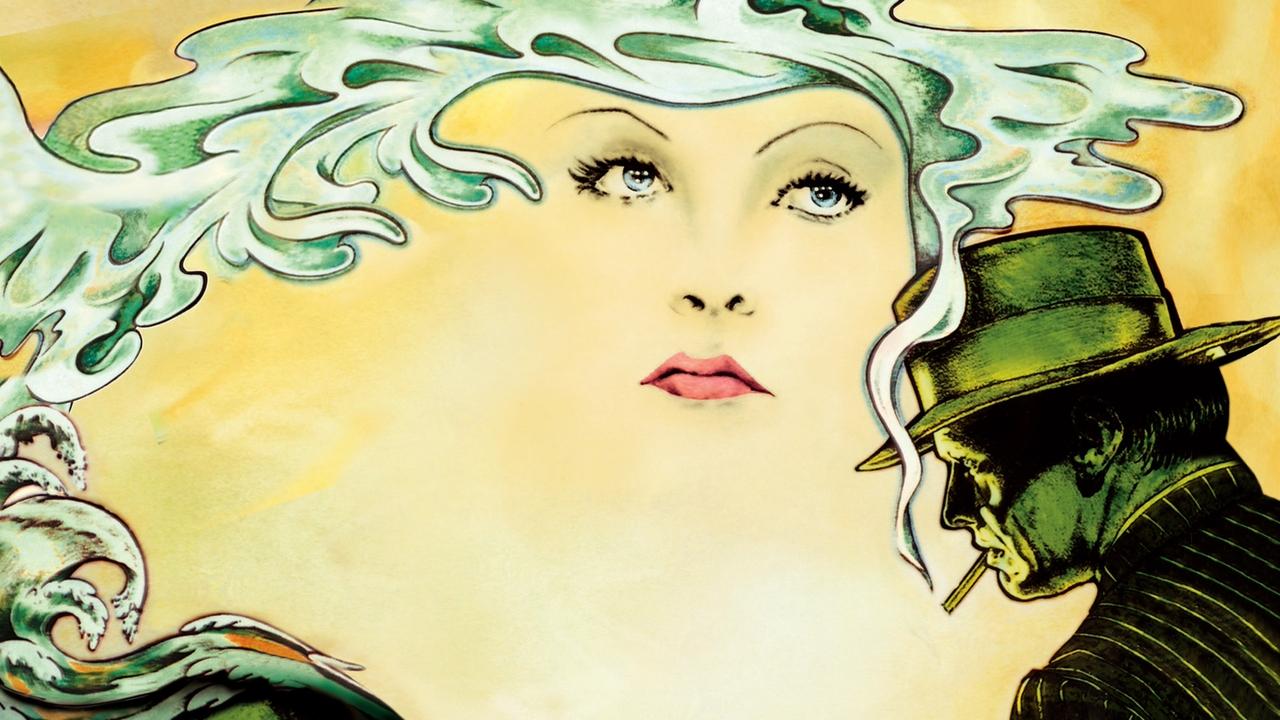
Chinatown
Polanski deploys the two-shot in interrogation scenes between Jake Gittes and Evelyn Mulwray to simultaneously encode intimacy and distrust – both figures share the frame yet remain emotionally disconnected.
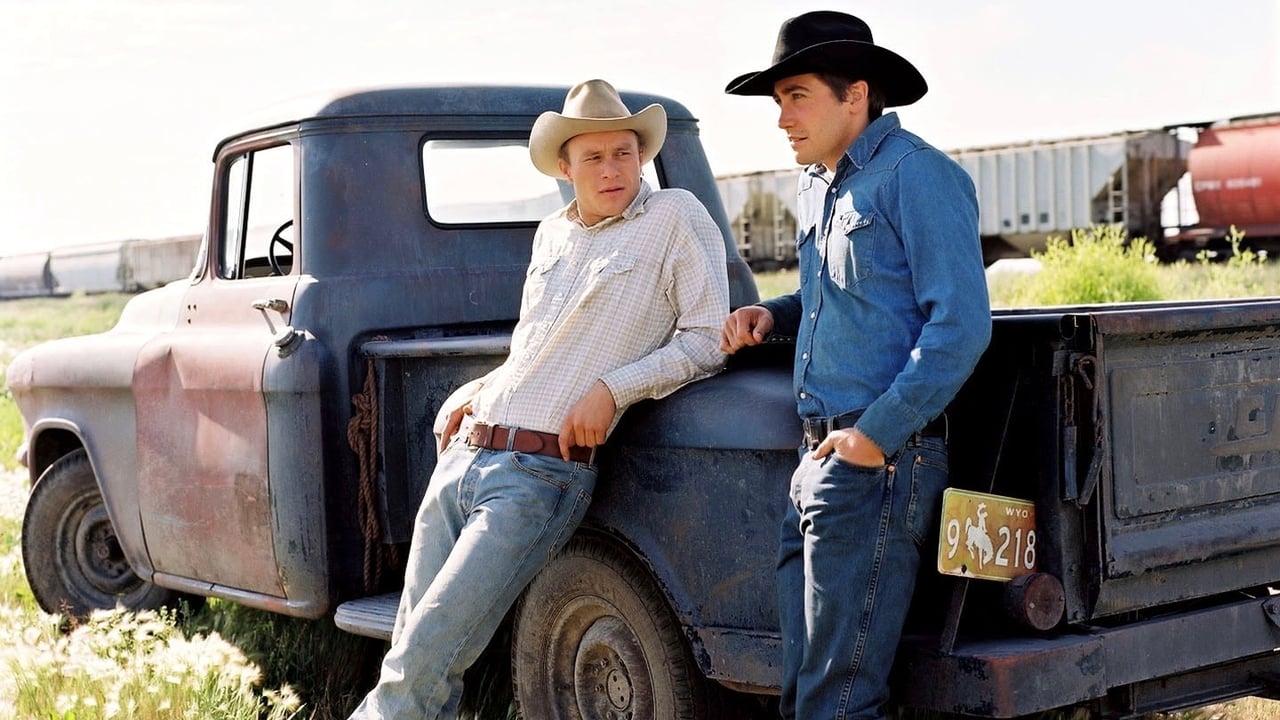
Brokeback Mountain
Ang Lee and cinematographer Rodrigo Prieto deploy the two-shot with exceptional precision to document the evolving emotional and physical relationship between Ennis and Jack across years.
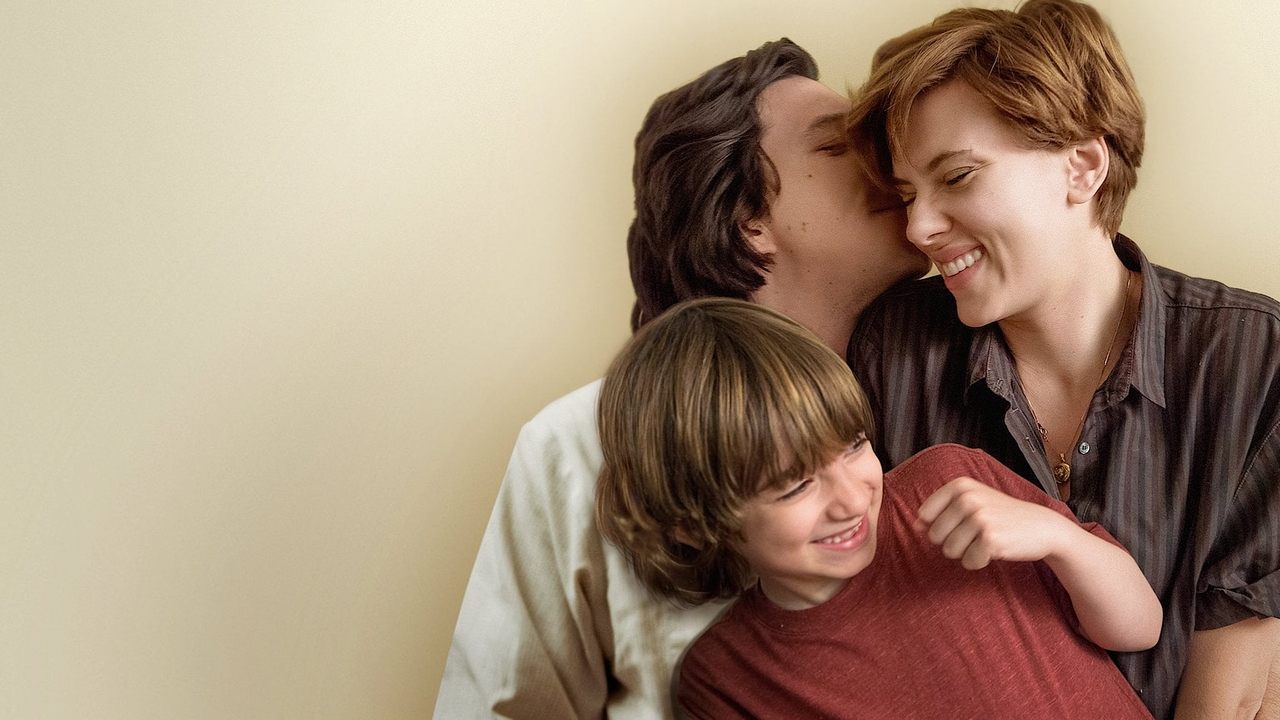
Marriage Story
In the central argument scene, Baumbach holds the camera in a two-shot as Charlie and Nicole escalate – the shared frame makes the disintegration of a relationship physically palpable.
Film stills sourced via the TMDB API. This product uses the TMDB API but is not endorsed or certified by TMDB. themoviedb.org ›
Definition
The Two-Shot is a camera framing that shows two characters together within the same frame. Unlike OTS or reverse angles, both characters are fully or partially visible, and the camera captures their physical relationship and interaction.
Functions of the Two-Shot
Relationship Information
- Shows physical distance between characters
- Demonstrates power dynamics
- Indicates intimacy or isolation
Narrative Depth
- Relationship is spatially visible
- Interaction and dynamics are clear
- Sometimes more impactful than dialogue
Technical Efficiency
- Both characters in one take
- Saves setup time
- Reduces the number of takes necessary
Rhythmic Variation
- Breaks the monotony of singles/OTS
- Creates visual flow
- Audience "sits" with the characters
Types of Two-Shots
Symmetrical Two-Shot
- Both characters positioned equally
- Shows equality/partnership
- Balanced and stable
Asymmetrical Two-Shot
- One character more prominent
- Shows power dynamics
- Emotionally more complex
Close Two-Shot
- Characters very close
- Intimacy or conflict
- High emotional potential
Wide Two-Shot
- Characters at a distance
- Isolation or tension
- Slightly detached
Diagonal Two-Shot
- Characters not frontal
- Dynamic composition
- Complex but interesting
"In the Mood for Love" (Wong Kar-wai, 2000)
Wong Kar-wai uses extended two-shots to depict relationships. The tight composition and slow movements make the two-shot emotionally resonant.
"Before Sunrise" (Linklater, 1995)
Linklater shoots almost the entire film in two-shots. This shows interaction and conversations realistically – two people together, not cut apart.
"12 Angry Men" (Lumet, 1957)
Two-shots illustrate shifting alliances and conflicts between jurors. The spatial proximity and distance tell a psychological story.
Two-Shot vs. OTS vs. Master
Two-Shot
- Both characters prominent
- Relationship is central
- Intimate or confrontational framing
Over-the-Shoulder
- One character leads, one reacts
- Functional coverage
- Classic dialogue structure
Master
- Everyone in the scene
- Context and environment
- Orientation
Two-Shot Planning
Pre-Production
- Lens Choice – 35-50mm typical
- Positioning – How should characters be positioned?
- Dynamics – Symmetrical or asymmetrical?
- Lighting – Both characters visible?
- Movement – Static or with camera movement?
Production
- Position both actors on their marks
- Adjust lighting on both faces
- Focus puller works between characters
- Multiple takes for different performances
- Shoot coverage parallel or separately
Post-Production
- Cut two-shots strategically into dialogue
- Timing of cuts is crucial
- Color grading is coherent
- Rhythm is balanced with other shots
Common Two-Shot Mistakes
Poor Composition
- One character too dominant
- Second character cut off or invisible
- Unbalanced framing
Lighting Problems
- One character too dark/bright
- Inconsistent mood lighting
- Continuity issues between takes
Focus Problems
- Focus between characters is unclear
- Both sharp but depth is lost
- Focus pulling is too obvious
Too Many Two-Shots
- Monotonous if too many two-shots
- Needs variation with singles
- Pacing can suffer
Two-Shots in Different Genres
Drama
- Longer, subtle two-shots
- Focus on relationship and emotion
- Often more intimate framing
Romance
- Very important for two-shots
- Shows closeness and connection
- Often in warm lighting
Thriller
- More dynamic two-shots
- Can show conflict
- Often with movement or tension
Action
- Fewer two-shots
- If used, then fast and dynamic
- Context often less important
Technical Specifications
- Focal Length: 35-50mm
- Aperture: f/2.8 - f/4.0
- Focus: Both characters or slight depth of field
- Distance: 1-2 meters typical
- Positioning: 30-45° from camera optimal
The two-shot is an underestimated shot. When executed correctly, it can be emotionally powerful and narratively significant. A great two-shot can carry an entire edit.