
A wide camera angle used at the beginning of a scene to establish location, time of day, spatial context, and atmosphere before moving to closer angles or details.
Famous examples · Establishing Shot
Lawrence of Arabia
Lean and Young deploy monumental wide-angle establishing shots of the Arabian desert that instantly communicate not just location but the existential solitude and grandeur of the story.

Chinatown
Polanski's establishing shots of sun-drenched 1930s Los Angeles create a deceptive idyll that sharpens the contrast with the moral corruption lurking beneath the story's surface.

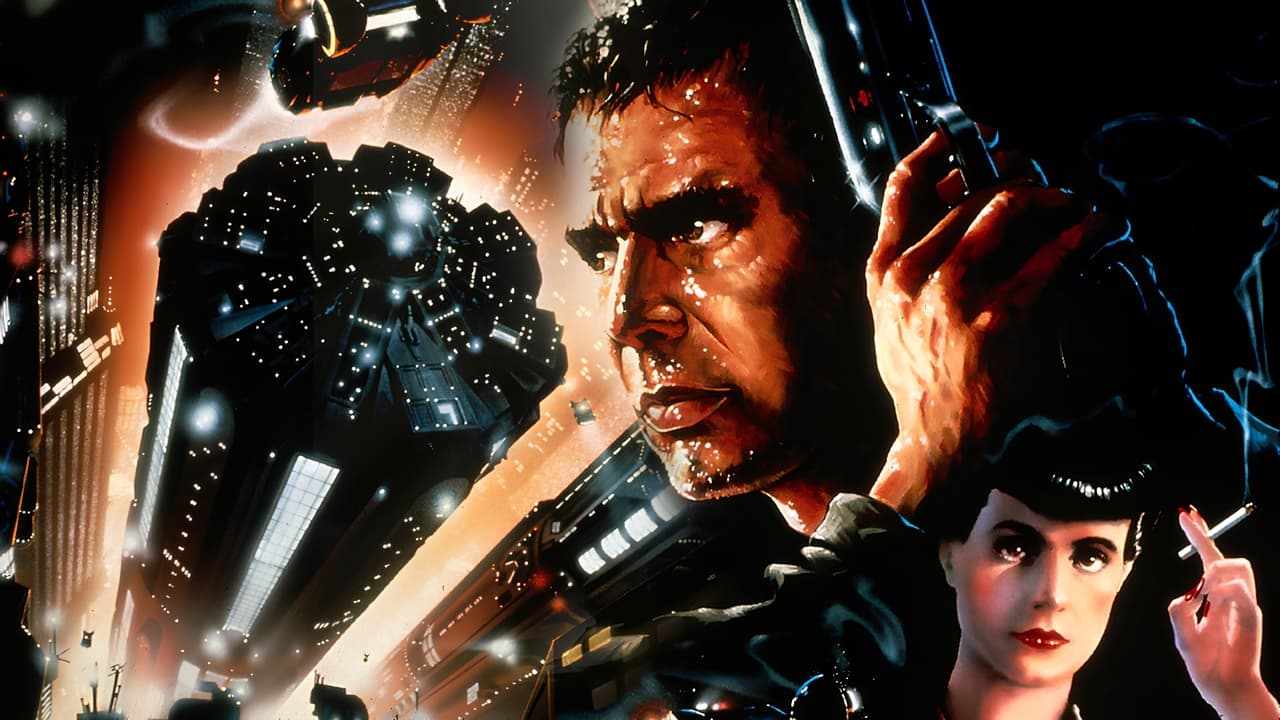
Blade Runner
The iconic establishing shots of the 2019 mega-city with its fire columns and smog layers instantly define the film's atmosphere and worldview before a single word is spoken.
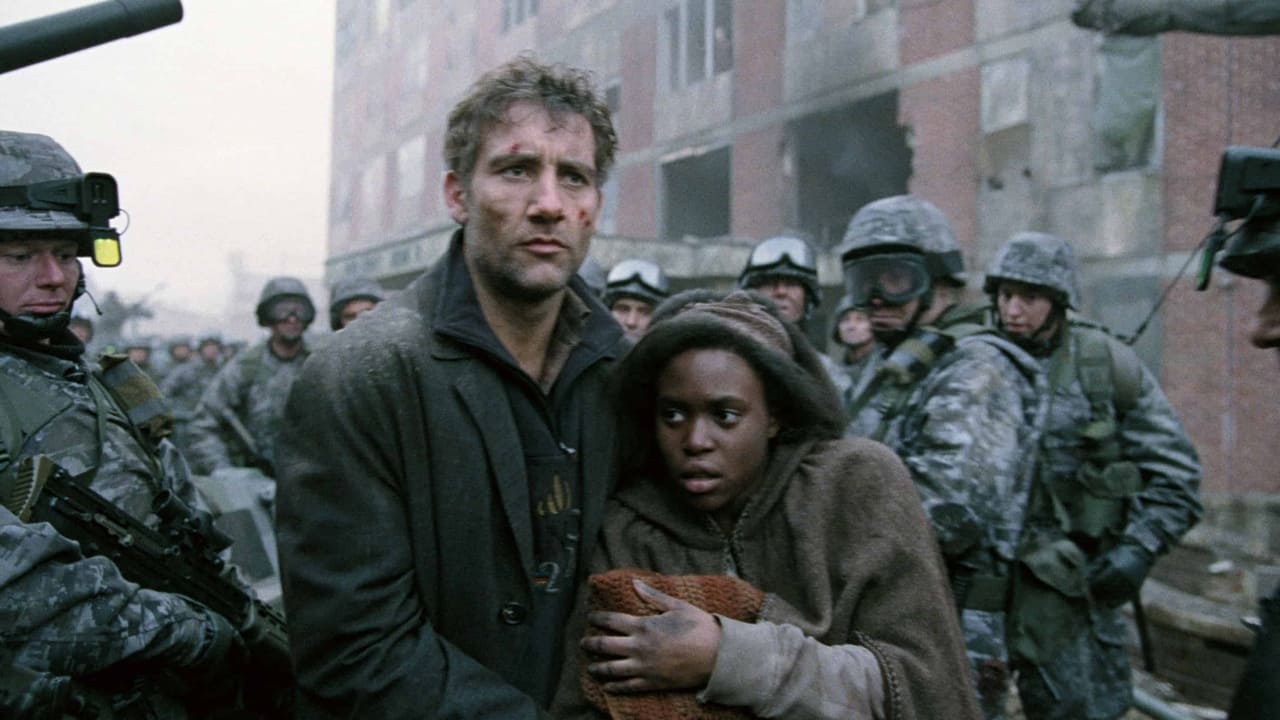
Children of Men
Cuarón and Lubezki use seemingly casual yet precisely calculated establishing shots of a crumbling society, immediately conveying to audiences the scale of catastrophe and the world's hopelessness.
Film stills sourced via the TMDB API. This product uses the TMDB API but is not endorsed or certified by TMDB. themoviedb.org ›
Definition
The Establishing Shot (German: Eröffnung or Einführende Totale) is a broad, informative camera shot at the beginning of a scene that provides the audience with spatial orientation and context. It answers "Where are we?" and often sets the emotional tone of the scene.
Functions of the Establishing Shot
The Establishing Shot fulfills several simultaneous functions:
Spatial Orientation
- Shows where the scene takes place
- Establishes spatial geometry
- Defines spatial relationships between objects and characters
Temporal Contextualization
- Shows time of day (morning light, midday sun, evening light)
- Establishes season
- Can suggest historical period
Emotional Tonality
- Light and composition set mood
- Weather and environment suggest atmosphere
- Color and contrast influence viewer perception
Narrative Information
- Can contain actionable details
- Shows external conditions influencing the plot
- Can provide symbolic or metaphorical information
Production Technical Safety
- Gives the editor choices for cut-in and cut-out
- Bridges spatial jumps between scenes
- Allows for temporal cuts
Difference Between Establishing Shot and Master Shot
Establishing Shot
- Shows the environment, often static
- Typically short (3-8 seconds)
- Often without main characters
- Sets only context, not continuous action
- At the beginning of a scene
Master Shot
- Captures the entire scene with action
- Typically longer (30 seconds - several minutes)
- All important characters visible
- Continuous action from beginning to end
- Can be anywhere in the scene
Classic Establishing Shot Techniques
Wide Shot / Totale
- Shows the complete space and environment
- Classic and reliable
- Focal length: 16-35mm depending on room size
Example: Camera on a street shows the entire facade of a building
Very Wide Shot / Super-Totale
- Ultra-wide overview
- Shows spatial relationships dramatically
- Can alienate or intimidate
Example: Helicopter shot shows an entire city
Extreme Aerial Shot / Drone Shot
- From the air
- Modern, dynamic
- Shows landscape context
Example: Drone over a forest area or city district
Detail-Focused Opening
- Starts with a detail, zooms/cuts to a wide shot
- Modern, dynamic
- Attracts attention
Example: Safe number → zooms to entire bank
Moving Establishing Shot
- Camera moves through space
- More dynamic, active
- Shows space in motion
Example: Steadicam walk through a hospital shows atmosphere
Wes Anderson – "The Grand Budapest Hotel" (2014)
Anderson's characteristic establishing shots are architecturally perfectly composed. Symmetrical, colorfully saturated, theatrical. The establishing shot is not just information, but an artistic statement – recognizable as "Wes Anderson."
Stanley Kubrick – "The Shining" (1980)
The helicopter establishing shot of the hotel in the mountains is atmospherically superb. Lonely, vast, foreshadowing disaster. The music underscores it. The shot lasts longer than usual and becomes a performance.
Martin Scorsese – "Taxi Driver" (1976)
Night establishing shots of New York City, smoky and red. The lights and colors set a morbid mood. The establishing shot is not neutral, but emotionally charged.
Alfred Hitchcock – Economy
Hitchcock used establishing shots sparingly and strategically. Often, his establishing shot already shows the psychological or criminal drama – visually subtly hinted at.
David Fincher – Precision
Fincher's establishing shots are architecturally precise. Every element is placed. They function even without sound – the situation becomes clear purely visually.
Establishing Shot Planning in Production
Pre-Production
- Location Scout – Which perspective shows the location optimally?
- Lens Choice – What visually fits the story?
- Lighting Plan – How is the location lit at a specific time of day?
- Timing – What time of day to shoot (Golden Hour vs. Midday Light)?
- Alternative Options – Multiple angles for editing flexibility?
Production
- Camera positioning and framing test
- Optimize exposure for the global scene
- Multiple takes with different focal lengths
- Possibly handheld version for dynamism
- Time-lapse or other creative variations
Post-Production
- Cut length (3-8 seconds is standard)
- Color grading for emotional tonality
- Coordinate timing with dialogue or music
- Optional VFX enhancements
Establishing Shots in Different Genres
Drama
- Tend to be longer and more atmospheric
- Focus on emotional mood
- Example: "In the Mood for Love" - Establishing shots are visually poetic
Thriller / Horror
- Often uncanny or frightening
- Can contain ominous details
- Example: "The Silence of the Lambs" - Establishing shot of Hannibal's cell
Action
- More dynamic, often with drones or movement
- Shows geographical strategies (where is the escape route?)
- Example: Chase scene establishing shot shows city geometry
Comedy
- Can be humorous through absurd details
- Can be visually exaggerated
- Example: "Grand Budapest Hotel" - comedic architecture
Horror
- Often slow, building atmosphere
- Can be visually restricted for uncertainty
- Example: Found-footage horror minimally establishing
Common Mistakes with Establishing Shots
Too Long
- Audience loses patience
- Information is superfluous
- Average of 3-8 seconds is optimal
Too Short
- Audience has no time to orient themselves
- Information is lost
- Cuts too quickly to details
Visual Confusion
- Space is not clearly understandable
- Audience does not orient themselves
- Focal length or composition is problematic
Emotional Disconnect
- Establishing shot doesn't match the scene's tone
- Brightness/darkness doesn't match the genre
- Creates cognitive dissonance
Forgotten Establishing Shots
- Audience is confused about where they are
- Quick cuts without orientation
- Modern tendencies towards minimal coverage can be problematic
Establishing Shot Sparsity vs. Abundance
Minimalist Approach (Modern Streaming)
- Establishes location quickly, then moves to details
- Relies on audience intelligence
- Fast rhythm, less time
Classic Hollywood Approach
- Generous establishing shot
- Time to "arrive" in the scene
- Emotional preparation
Arthouse / Auteur Approach
- Establishing shot as an artistic statement
- Longer, more precise, often symmetrical
- Every detail is meaningful (Wes Anderson)
The Art of a Perfect Establishing Shot
A great establishing shot:
- Clearly shows where we are
- Sets the mood without manipulating
- Is visually interesting, not boring
- Works temporally, neither too long nor too short
- Is elegant, technically and artistically
- Is memorable, visually distinct