
Large-format cinema and projection system featuring the largest available film format (65mm 15-perf). Provides approximately ten-fold resolution compared to 35mm and enables immersive projections on screens up to 30 meters wide.
Famous examples · IMAX
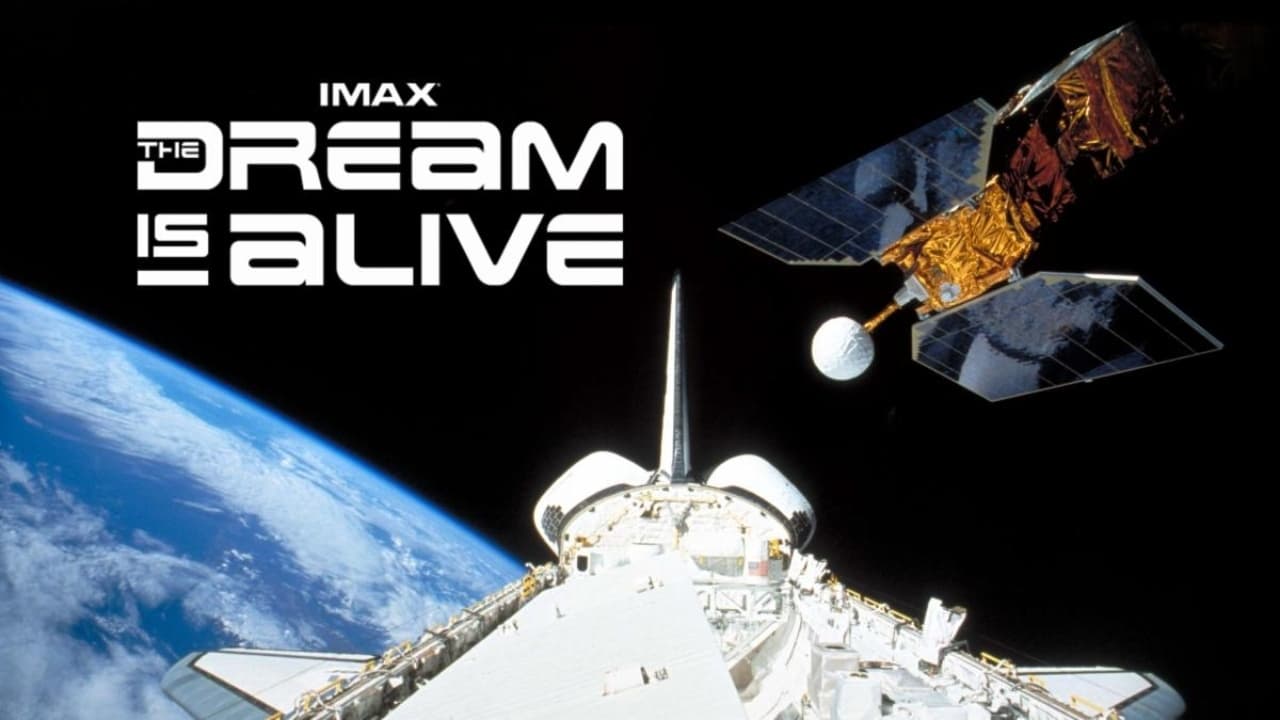
The Dream Is Alive
This NASA documentary was one of the first commercially successful IMAX productions, demonstrating how the 15-perf 65mm format enables breathtaking detail in space footage.
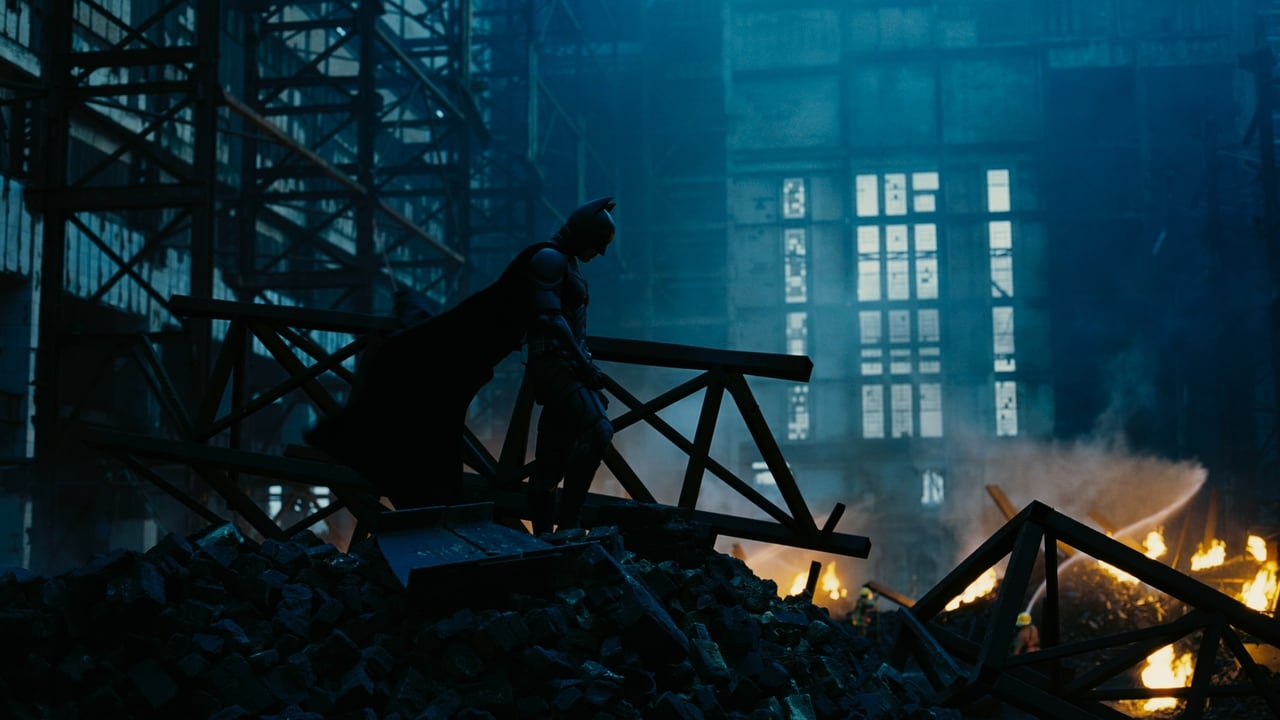
The Dark Knight
Christopher Nolan was the first to shoot significant action sequences of a feature film with real IMAX cameras, causing the image to expand from 2.39:1 to the full 1.43:1 IMAX ratio in key scenes, dramatically increasing immersion.
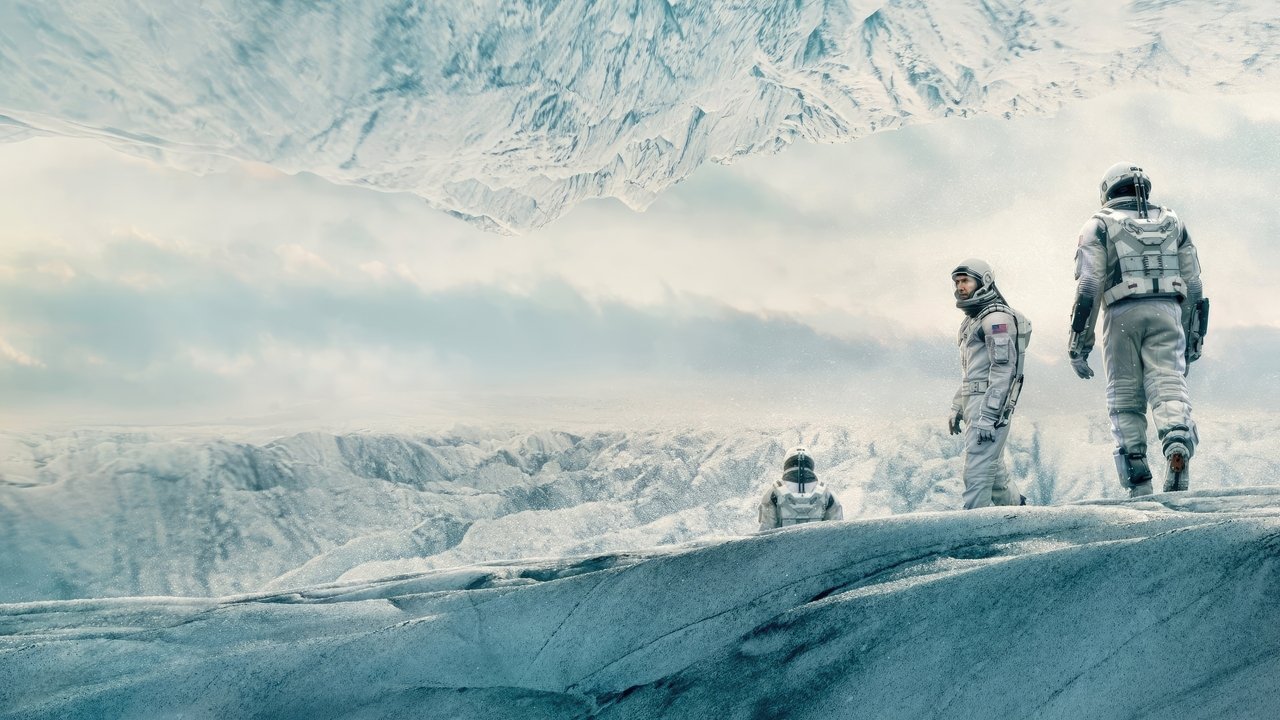
Interstellar
Hoyte van Hoytema photographed over 70% of the film on real 65mm IMAX film, using the format's extreme resolving power to make the infinity of space and the smallness of humanity within it physically palpable.
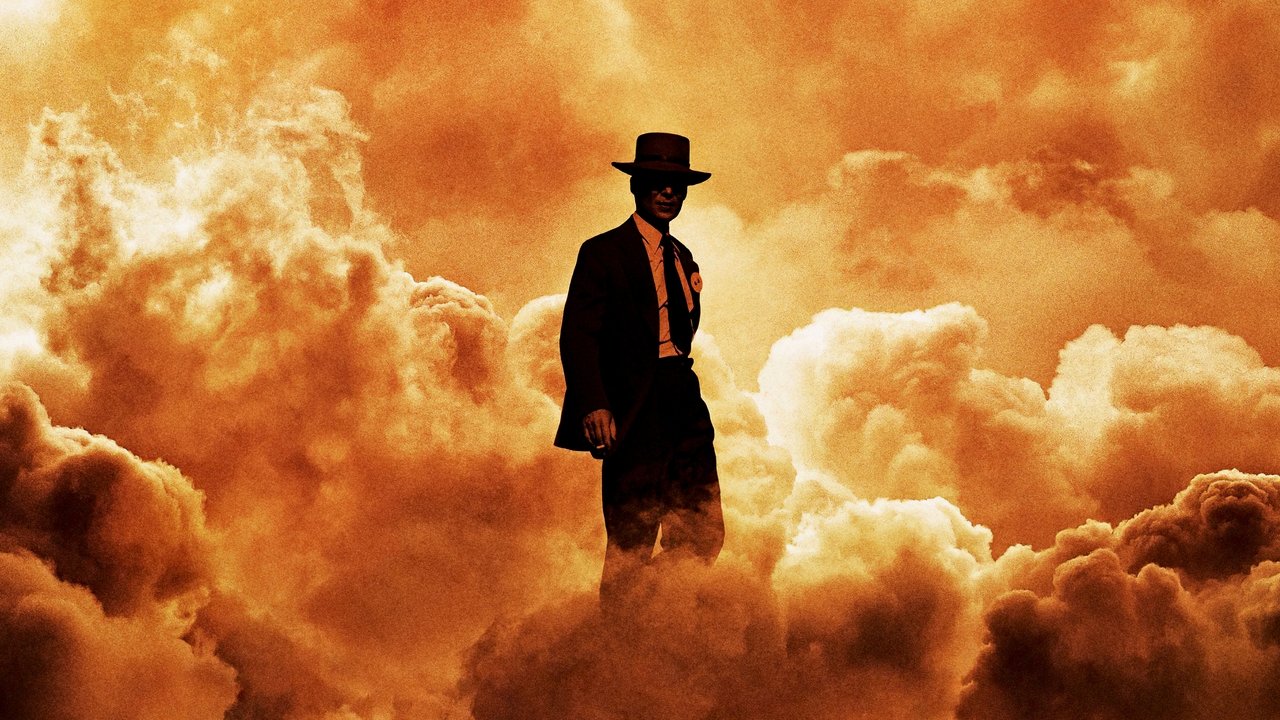
Oppenheimer
For the first time in history, IMAX 65mm film was exposed in black and white – a technical first that uses the format's immense image area to convey psychological intensity and historical weight in close-ups of unparalleled sharpness.
Film stills sourced via the TMDB API. This product uses the TMDB API but is not endorsed or certified by TMDB. themoviedb.org ›
What is IMAX?
IMAX (Image Maximum) is a Canadian large-format cinema and projection system developed in 1967. The system comprises specialized cameras, film stock, projectors, and purpose-built cinema auditoriums.
The core is the 65mm 15-perf film format – the largest commercially used film strip. With an image area of 69.6 × 48.5 mm, IMAX offers approximately ten times more resolution than standard 35mm film (equivalent to 18K).
The IMAX Formats
IMAX exists today in several variants:
Film-based (Original):
- IMAX 15/70 – The classic 70mm film format with 15 perforations, aspect ratio 1.43:1
- Resolution: ~18K equivalent
- Only in a few specialized cinemas now
Digital:
- IMAX Digital – Dual 2K projection (since 2008), aspect ratio 1.90:1
- IMAX Laser – 4K dual laser projection, both aspect ratios possible
- IMAX with Laser GT – Highest digital quality, approaching film level
Aspect Ratios
| Format | Ratio | Usage |
|---|---|---|
| IMAX 15/70 | 1.43:1 | True IMAX cinemas with curved screens |
| IMAX Digital | 1.90:1 | Multiplex IMAX, flat screens |
| IMAX Scope | 2.39:1 | Hybrid productions |
The IMAX Camera
IMAX film cameras are legendary for their size and weight. The MSM 9802 weighs over 50 kg and produces a characteristic loud rattle. This makes them problematic for dialogue scenes – Nolan solves this through post-synchronization.
Digital alternatives like the IMAX-certified ARRI Alexa 65 or Panavision DXL2 offer more flexibility with a lower film equivalent.
History & Milestones
| Year | Milestone |
|---|---|
| 1967 | Founding of IMAX Corporation in Canada |
| 1970 | First IMAX projection at Expo '70 in Osaka |
| 1971 | Tiger Child – first IMAX film |
| 2002 | Apollo 13 – first Hollywood film re-mastered for IMAX |
| 2008 | The Dark Knight – first Hollywood production with IMAX sequences |
| 2014 | Interstellar – over 60 min. of IMAX footage |
| 2017 | Dunkirk – 75% shot in IMAX |
| 2023 | Oppenheimer – longest IMAX sequence in history |
Notable IMAX Films
Christopher Nolan – The most prominent IMAX advocate:
| Film | Year | IMAX Percentage | Special Feature |
|---|---|---|---|
| The Dark Knight | 2008 | ~28 min. | First IMAX sequences in Hollywood |
| The Dark Knight Rises | 2012 | ~72 min. | Opening entirely in IMAX |
| Interstellar | 2014 | ~60 min. | Space sequences |
| Dunkirk | 2017 | ~75% | Almost entire film |
| Tenet | 2020 | ~50 min. | Action sequences |
| Oppenheimer | 2023 | ~70 min. | Trinity test, hearings |
Other Directors:
| Director | Film | Year |
|---|---|---|
| Denis Villeneuve | Dune | 2021 |
| Denis Villeneuve | Dune: Part Two | 2024 |
| Brad Bird | Mission: Impossible – Ghost Protocol | 2011 |
| Patty Jenkins | Wonder Woman 1984 | 2020 |
| Ryan Coogler | Black Panther: Wakanda Forever | 2022 |
| Jon Favreau | The Lion King | 2019 |
| Rian Johnson | Star Wars: The Last Jedi | 2017 |
"True" vs. "LieMax"
Cinephiles critically distinguish between:
True IMAX:
- 1.43:1 aspect ratio
- Curved screen up to 30m wide
- 70mm film projection or IMAX Laser GT
"LieMax" (colloquial):
- Converted multiplex auditoriums
- 1.90:1 aspect ratio
- Dual 2K projection
- Significantly smaller screens
Why IMAX?
IMAX is more than resolution – it's an immersive experience. The massive screen fills the peripheral vision, and the 1.43:1 format utilizes an unusual amount of vertical space. Viewers report physiological reactions: dizziness in height scenes, a true sense of space in landscape shots.
For filmmakers, IMAX means a different approach to thinking: fewer cuts, longer takes, more deliberate composition. The cost enforces discipline – with three minutes per magazine, every frame is valuable.