
Large format film gauge offering superior image quality for theatrical projection.
Famous examples · 65mm
Lawrence of Arabia
Freddie Young used the 65mm format to capture the endless expanses of the Arabian desert with breathtaking sharpness and depth – the vast image area made the landscape itself the dramatic protagonist.

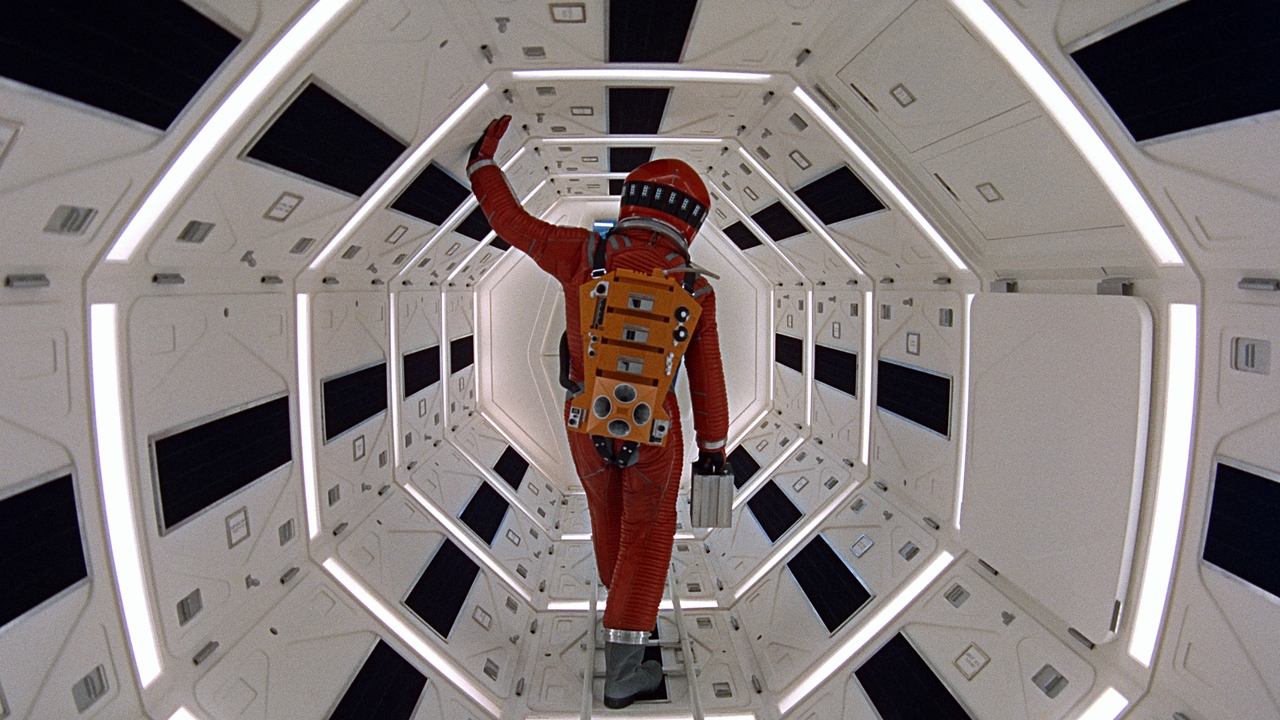
2001: A Space Odyssey
Kubrick chose the 65mm format for his vision of space, rendering the geometric purity of space stations and the infinite blackness of the cosmos with maximum image resolution and depth of detail.
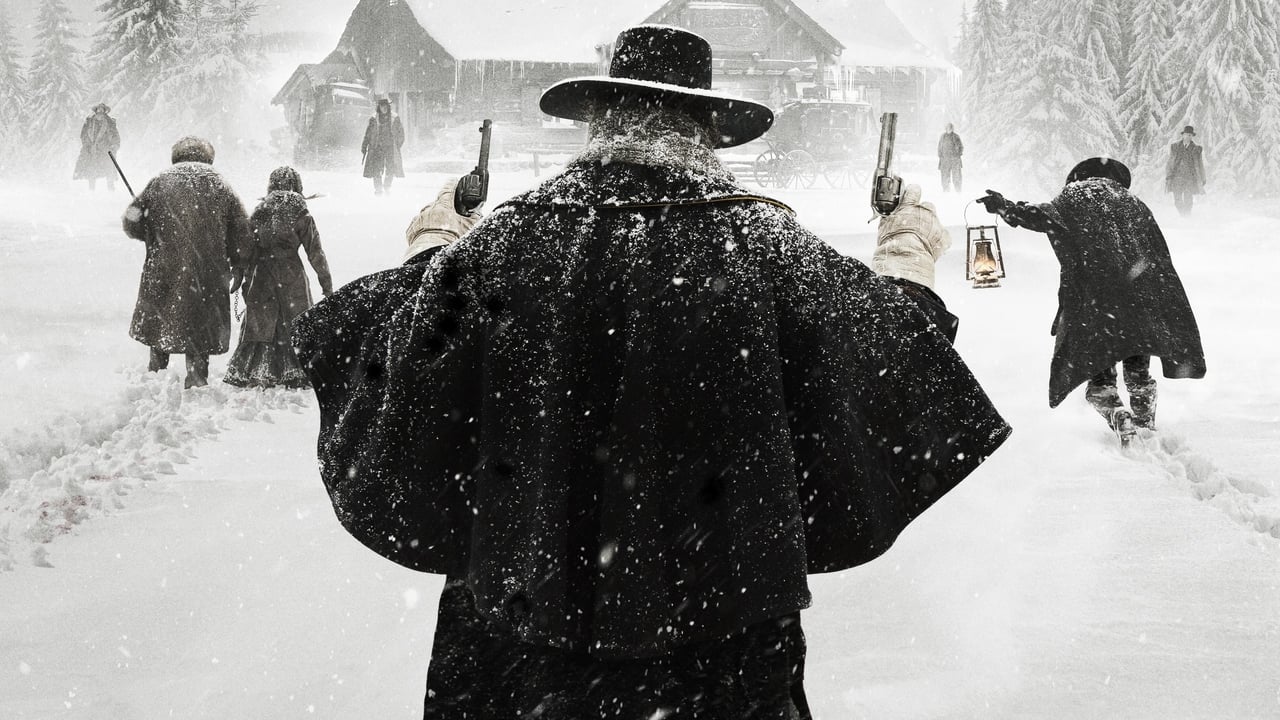
The Hateful Eight
Tarantino shot on analog 65mm Ultra Panavision 70, sparking a renaissance of the large format – the extreme anamorphic lens produced an aspect ratio of 2.76:1, demonstrating the format's unrivalled image quality.
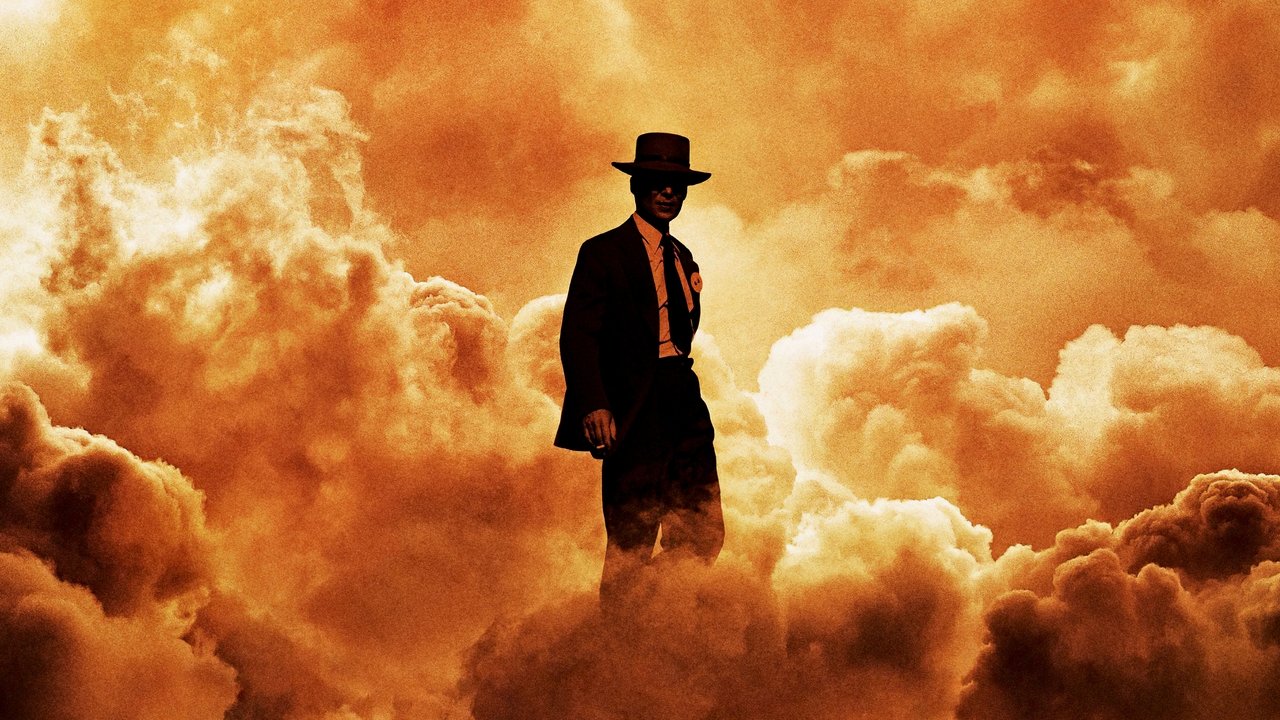
Oppenheimer
Hoyte van Hoytema photographed black-and-white sequences on IMAX 65mm film for the first time, exploiting the format's enormous detail density to convey the psychological intensity of the atomic bomb with physical immediacy.
Film stills sourced via the TMDB API. This product uses the TMDB API but is not endorsed or certified by TMDB. themoviedb.org ›
Definition
65mm refers to a professional film format with a negative width of 65 millimeters, belonging to the Large Format category in cinematography. This format offers a significantly larger image area than the standard 35mm format, thereby enabling exceptional image quality with the highest resolution and detail sharpness. Projection is typically onto 70mm prints, with the additional 5mm used for the soundtrack (Magnetic Sound Tracks).
The 65mm format was developed in the 1950s and experienced its heyday during the era of roadshow presentations of major Hollywood productions. Well-known films such as "Lawrence of Arabia" (1962) or "2001: A Space Odyssey" (1968) impressively demonstrated the visual possibilities of this format.
Practical Application
In film production, 65mm is primarily used for spectacular large-scale productions where maximum image quality and an immersive cinematic experience are paramount. Directors such as Christopher Nolan, Quentin Tarantino, or Paul Thomas Anderson specifically utilize this format for certain sequences or entire films to achieve a special visual impact.
Technical Details
The larger negative area of the 65mm format allows for a finer grain structure and an extended dynamic range. The aspect ratio is typically 2.20:1 to 2.76:1, lending the image a characteristic panoramic aesthetic. The camera systems are significantly heavier and more expensive than 35mm equivalents.