Technical Details
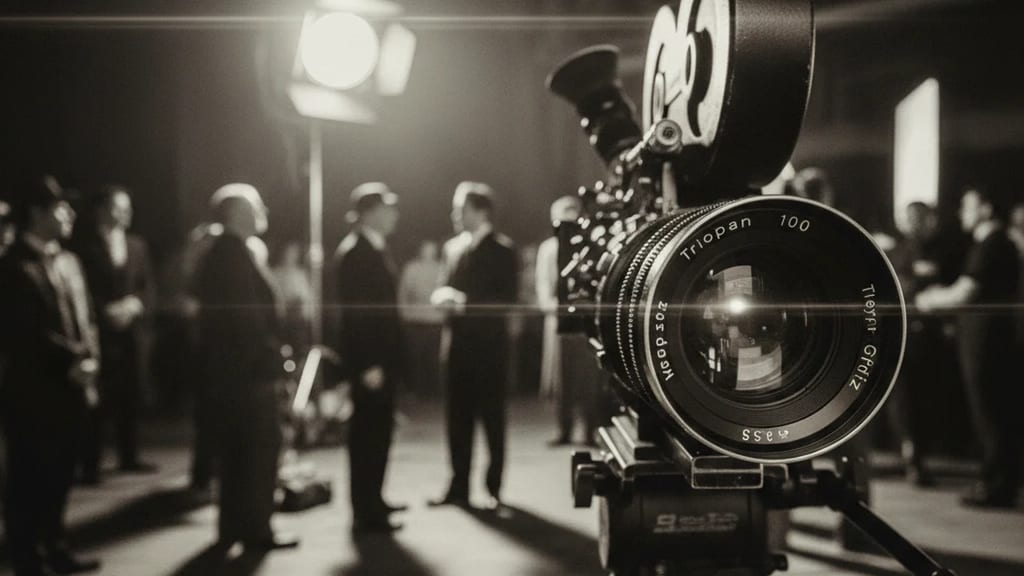
The optical construction consists of three spherical lens elements in two groups with a minimum focusing distance of 1 meter. The aperture varies between f/2.8 and f/22 via nine blades. The filter thread measures 58mm, the lens weighs 765 grams with a length of 87mm. Mounts are available for Canon EF, Nikon F, Sony E, Fujifilm X, and Pentax K. The coating is multi-layered, with a deliberate avoidance of modern coatings to preserve the vintage character.
History & Development
Hugo Meyer developed the original Trioplan in 1916 as a cost-effective alternative to more complex anastigmat lenses. The 100mm version first appeared on the market in 1930 and was produced in Görlitz until 1960. After its acquisition by Pentacon in 1959, the Meyer-Optik brand disappeared. In 2014, a German investor group acquired the naming rights, and in 2018, Meyer Optik Görlitz USA took over production. The modern reissue is precisely aligned with the optical characteristics of the historical original.
Practical Use in Film
The Trioplan 100 is primarily suitable for portrait shots and close-ups where the characteristic bokeh carries narrative significance. Roger Deakins experimented with vintage Trioplan lenses for dream sequences in "Blade Runner 2049." The circular bokeh highlights are created by the simple lens construction without a correction element for spherical aberration. At f/2.8, the depth of field is minimal; from f/4 onwards, the bokeh normalizes. Focus pullers appreciate the linear focus ring with a 270° rotation angle and precise resistance.
Comparison & Alternatives
Unlike modern 100mm lenses such as the Canon CN-E 100mm T1.3 or Zeiss CP.3 100mm T2.1, the Trioplan offers significantly less sharpness but a unique visual character. While cinema lenses aim for maximum optical perfection, the Trioplan deliberately uses optical "flaws" as a creative tool. The Helios 44-2 58mm produces similar bokeh effects through swirling, whereas the Trioplan remains circular. For standard portrait shots without an effect character, modern alternatives are technically superior.