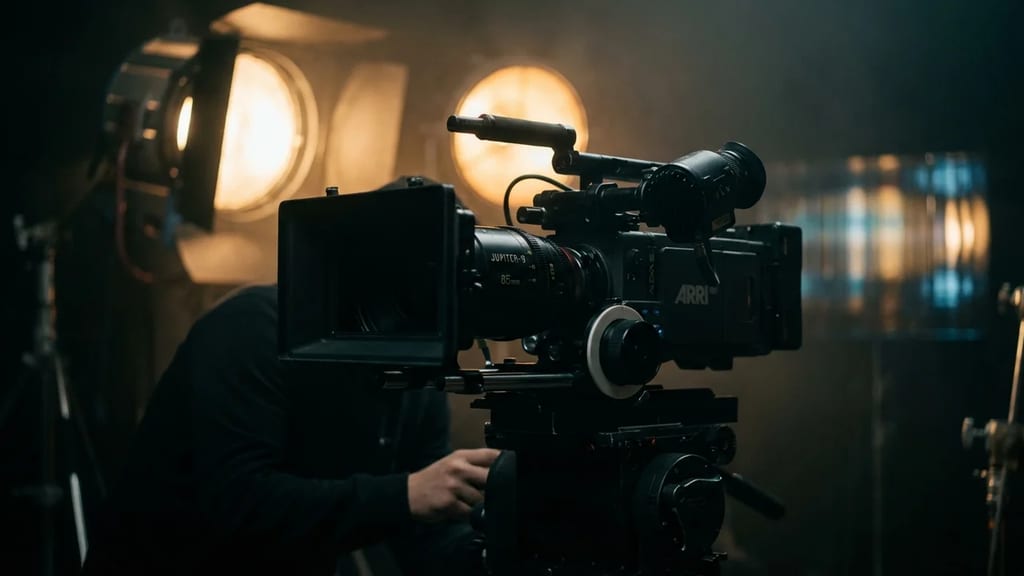
Technical Details
The Jupiter-9 has a minimum focusing distance of 1.2 meters and a filter diameter of 49mm. The aperture ranges from f/2.0 to f/22 with 8 aperture blades, ensuring a nearly round aperture. The lens weighs 400 grams and measures 73mm in length. It was manufactured with various mounts: M39 (Leica thread), M42 (Pentax thread), and later also for Kiev cameras. The coating was initially single-coated, and from the 1960s onwards, multi-coated, which significantly improved contrast performance.
History & Development
Development began in 1951 at the KMZ (Krasnogorsk Mechanical Works) factory, utilizing documentation from Zeiss in Jena. Mass production started in 1952 and continued into the 1990s with various modifications. The Jupiter-9 was developed in parallel with the Jupiter-3 (50mm f/1.5) and was part of the Soviet lens series for Leica-compatible cameras like the Fed and Zorki. Early examples from the 1950s and 1960s are particularly considered optically high-quality today and are appreciated by collectors.
Practical Use in Film
Soviet filmmakers used the Jupiter-9 for portrait shots and emotional scenes, as it produces a characteristic "swirly bokeh" effect at wide apertures. Modern filmmakers use it for vintage looks, such as in independent productions or music videos. The shallow depth of field at f/2.0 allows for effective subject isolation, while the slight vignetting at wide apertures creates a natural framing effect. The lens is sensitive to backlight, producing characteristic flares that can be intentionally used for stylistic purposes.
Comparison & Alternatives
Compared to the original Zeiss Sonnar, the Jupiter-9 offers similar optical performance at a significantly lower price. Modern alternatives like the Canon 85mm f/1.8 or Zeiss Planar 85mm f/1.4 are technically superior but do not achieve the specific vintage character. The Soviet Helios-40-2 (85mm f/1.5) offers more light gathering capability but less sharpness. For current productions, the Jupiter-9 is mainly chosen when the specific analog look is desired or when the budget does not allow for modern high-end lenses.