Filmlexikon.
Support
Gel Sheet
Lighting · Equipment

Gel Sheet

Murnau AI illustration
color temperature flow roll take

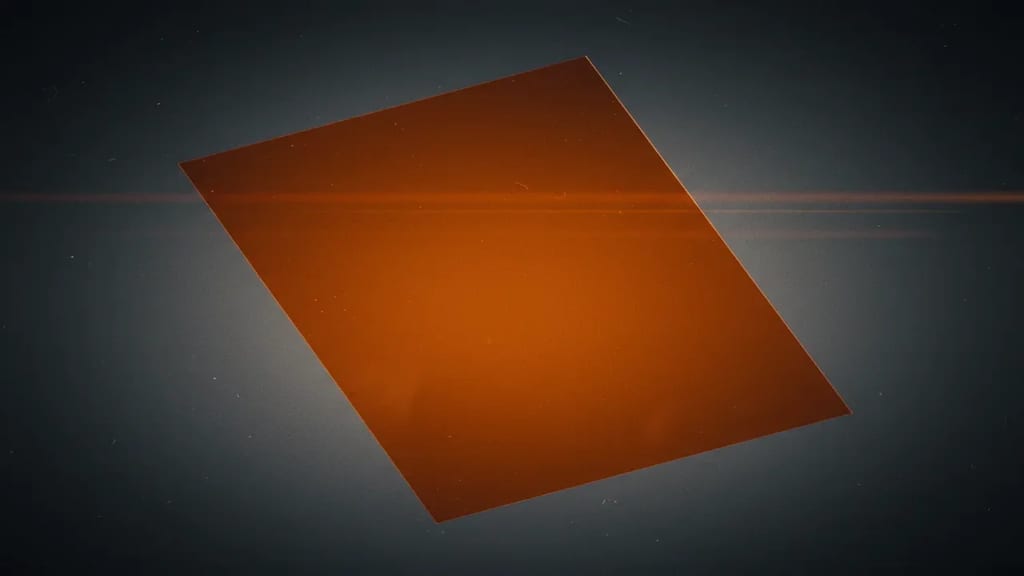
Thin polyester color filter for modifying light output on spotlights. Alters color temperature, diffuses light, or reduces intensity by 1–8 stops.

Technical Details

Modern gel sheets achieve temperature resistance up to 232°C (CTB 201) and exhibit defined transmission values: Lee 204 "Full CT Orange," for example, transmits 36% of incident light with a color temperature conversion from 5600K to 3200K. The sheets are numbered according to the Lee, Rosco, or GAM color systems, with each number corresponding to an exact color value. Diffusion gels like Lee 250 "Half White Diffusion" scatter light with a half-angle of 30°, while ND (Neutral Density) filters are available in gradations from 0.3 (1 stop) to 2.4 (8 stops).

History & Development

The first gelatin filters were developed by Frederick Ives for photography in 1884. Kodak introduced the first commercial Wratten filters made of dyed gelatin in 1930. Lee Filters revolutionized the industry in 1967 with the introduction of polyester-based sheets, which were significantly more heat-resistant. Rosco followed in 1974 with the Roscolux system. Starting in 2000, digitization brought more precise spectral measurements and LED-optimized sheets like the Lee "Zircon" series (2018).

Practical Application in Film

DoP Roger Deakins used massive orange gels (Lee 204) in "Blade Runner 2049" (2017) for the Vegas sequences to enhance the dystopian atmosphere. For night shoots, CTB (Color Temperature Blue) sheets like Lee 201 are used to balance tungsten light to daylight. In the TV series "Euphoria," DoP Marcell Rév used magenta gels (Lee 328) for emotional climaxes. Diffusion gels are standard for close-ups: Lee 250 for subtle skin smoothing, Lee 216 for stronger diffusion.

Comparison & Alternatives

Unlike permanently mounted glass filters, gel sheets can be changed flexibly and cost only 8-15 Euros per sheet. LED panels with RGB control, such as the Arri SkyPanel, are increasingly replacing gels for color effects, but they do not achieve the nuance of over 300 available gel colors. Dichroic glass filters offer higher precision and durability but cost 200-500 Euros per filter. For large productions, gels are often replaced by programmable LED arrays, while low-budget productions continue to rely on cost-effective gel technology.
From the crafts

Perspectives

Cinematographer

Als DoP verwende ich CTB/CTO-Gels täglich für die Farbtemperatur-Anpassung zwischen verschiedenen Lichtquellen – ohne sie wäre ein konsistenter Look unmöglich. Bei LED-Panels nutze ich trotzdem oft zusätzlich Minus-Green-Gels (Lee minus green), weil die interne Farbkorrektur der LEDs nicht immer perfekt ist. Diffusion-Gels wie Lee 250 oder 216 sind meine Standard-Werkzeuge für Hautschmeichelung, wobei ich die Stärke je nach Alter und Geschlecht der Darsteller wähle.

Director

Ich setze Farbgels gezielt als emotionales Werkzeug ein – warme Amber-Töne (Lee 204) für Geborgenheit, kühles Stahl-Blau (Lee 200) für Isolation oder Bedrohung. In Gesprächsszenen lasse ich oft eine Figur in warmem, die andere in kaltem Licht stehen, um Machtverhältnisse oder emotionale Distanz zu visualisieren. Die Farbpsychologie funktioniert unterbewusst beim Zuschauer und verstärkt die narrative Aussage ohne zusätzlichen Dialog.

Producer

Gels kosten pro Drehtag etwa 50-150 Euro je nach Setup, sind aber deutlich günstiger als LED-Panels mit vergleichbarer Farbflexibilität. Ich kalkuliere 20% Verschleiß bei Tungsten-Scheinwerfern ein, da die Hitze die Folien schneller zerstört. Bei Außendrehs mit wechselnden Lichtverhältnissen spart der Gel-Einsatz oft 2-3 Stunden Setup-Zeit im Vergleich zu komplexen LED-Programmierungen.

More in the lexikon

Related terms

Test your knowledge

Quiz

1. Zu welchem Department gehört „Farbfolien-Bogen"?

2. Wie viele verschiedene Fachperspektiven bietet dieser Eintrag?

Report an error
From the Filmfarm ecosystem

Understand visual language, budget productions, connect crew.

The Lexikon is part of the Filmfarm ecosystem — alongside budgeting (FilmBalance), an industry magazine (FilmCircus) and crew networking (FilmCall, CrewMesh). One shared vocabulary for the whole production.

FilmFarm FilmRadarComing soonFilmPulseComing soonFilmNumbersComing soonFilmCapitalComing soonFilmLabComing soonFilmBalanceComing soonFilmCircusComing soon