Filmlexikon.
Support
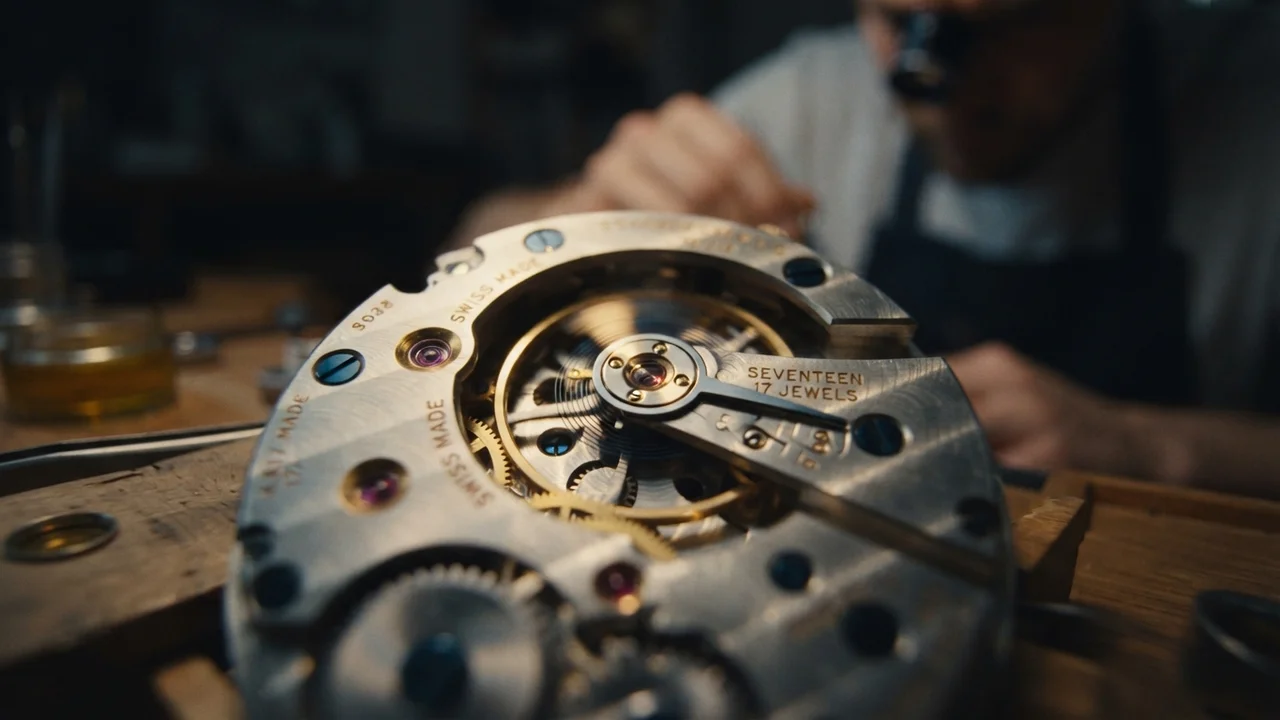
Extreme Close-Up / Insert
Camera · Terms

Extreme Close-Up / Insert

Murnau AI illustration
shot wide shot very wide shot full shot medium shot close up medium close up

Extreme close-up of a small object or frame detail — a watch, scar, finger on a trigger. Builds tension, intimacy, or amplifies the dramatic weight of a gesture.

Technical Details

In 35mm film, an extreme close-up corresponds to a focal length of 85-200mm on full-frame, and digitally, typically 50-135mm on a Super35 sensor. The depth of field at f/2.8 and a 100mm focal length is approximately 2-8cm at an object distance of 60cm. Inserts are often realized with macro lenses (1:1 to 5:1 magnification ratio) or special close-up lenses (+1 to +10 diopters). Lighting is frequently done with small LED panels (5-50 watts) or ring lights to minimize shadows.

History & Development

D.W. Griffith established the first extreme close-up shots in "The Great Train Robbery" in 1903 with a close-up of a pistol. Sergei Eisenstein perfected the insert as a narrative element in "Battleship Potemkin" in 1925 with the famous eyeglasses sequence. The technical development of macro lenses from the 1960s onwards by Zeiss and Leica enabled more precise extreme close-up shots. Since 2000, digital cameras have allowed for more accurate control in extreme close-ups through focus peaking and zebra patterns.

Practical Use in Film

Kubrick used extreme close-ups of the HAL camera lens in "2001: A Space Odyssey" (1968) with a 50mm fisheye lens. Tarantino systematically employs hand and eye extreme close-ups in "Pulp Fiction" (1994) to increase tension. Christopher Nolan realized watch inserts in "Dunkirk" (2017) with 150mm lenses at f/4.0. Extreme close-up shots require special rigs with micro-adjustments and are often shot as a separate unit due to the need for a complete lighting setup rebuild.

Comparison & Alternatives

Close-Up shows faces entirely, Extreme Close-Up isolates individual elements. Insert is plot-relevant, Extreme Close-Up is primarily emotional. Macro shots exceed the natural field of vision (>1:1), while extreme close-ups remain within the familiar perceptual frame. Digital Zoom achieves similar framing but produces quality losses compared to optical solutions. Focus Pull between an extreme close-up and a wide shot often replaces cuts and saves shooting days.

From the crafts

Perspectives

Cinematographer

Ich plane Details immer als separate Lighting-Setups, da die Beleuchtung völlig anders funktioniert als bei normalen Einstellungen. Mein 100mm Makro-Objektiv bei f/5.6 gibt mir genau die Schärfentiefe, die ich brauche, um einzelne Augenpartien freizustellen, ohne dass Wimpern unscharf werden. Bei Handheld-Details verwende ich grundsätzlich IS-Objektive, da schon kleinste Bewegungen im extremen Nahbereich wie Erdbeben wirken.

Director

Ich setze Details strategisch als emotionale Verstärker ein – eine zitternde Hand sagt mehr über Nervosität als jeder Dialog. In Spannungsszenen schneide ich bewusst zwischen Extreme Close-Ups der Augen und Detail-Inserts von Objekten hin und her, um die Aufmerksamkeit des Publikums zu lenken. Drei Details hintereinander sind mein Maximum, danach verliert der Zuschauer die räumliche Orientierung.

Producer

Details kosten mich durchschnittlich 40% mehr Zeit pro Setup, da Kamera und Licht komplett neu justiert werden müssen. Ich plane Details grundsätzlich am Ende eines Drehtags, weil die Crew dann mehr Ruhe für die präzise Arbeit hat. Bei Makro-Aufnahmen von Requisiten lasse ich oft eine zweite Kamera mitlaufen, um mehrere Varianten gleichzeitig abzugreifen – das spart mir teure Wiederholungstermine.

More in the lexikon

Related terms

Test your knowledge

Quiz

1. Was beschreibt „Detail" am besten?

2. Zu welchem Department gehört „Detail"?

3. Wie viele verschiedene Fachperspektiven bietet dieser Eintrag?

Report an error
From the Filmfarm ecosystem

Understand visual language, budget productions, connect crew.

The Lexikon is part of the Filmfarm ecosystem — alongside budgeting (FilmBalance), an industry magazine (FilmCircus) and crew networking (FilmCall, CrewMesh). One shared vocabulary for the whole production.

FilmFarm FilmRadarComing soonFilmPulseComing soonFilmNumbersComing soonFilmCapitalComing soonFilmLabComing soonFilmBalanceComing soonFilmCircusComing soon