Cinematographer
Großaufnahme ist Teil meiner visuellen Sprache. Ich setze es bewusst ein, um Emotionen zu transportieren und die Geschichte zu unterstützen. Die technische Beherrschung ist Voraussetzung für kreative Freiheit.
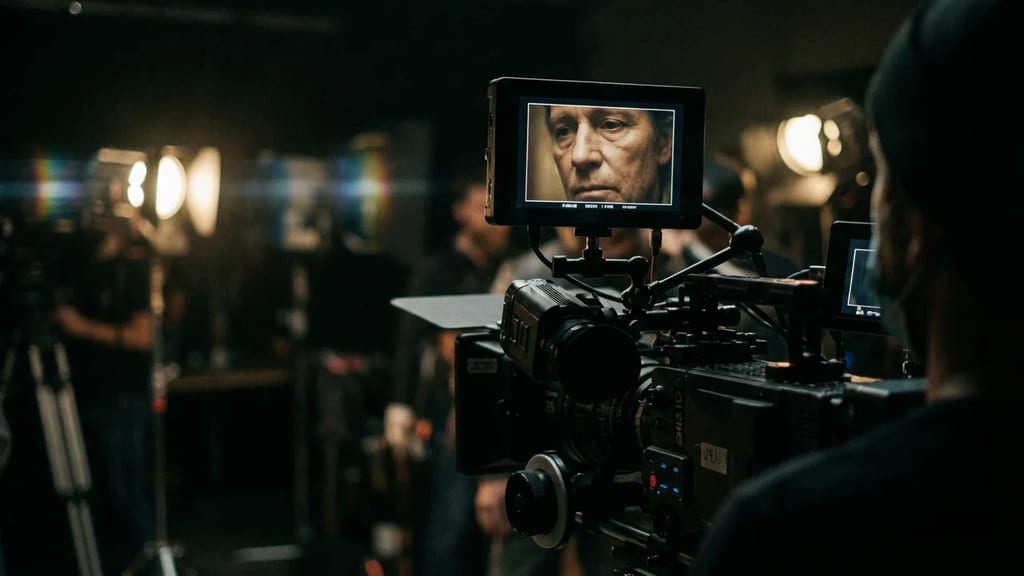
Camera tight on face, head fills frame. Every blink, every muscle twitch visible. Essential for reaction shots—reveals whether an actor can carry a moment in silence.
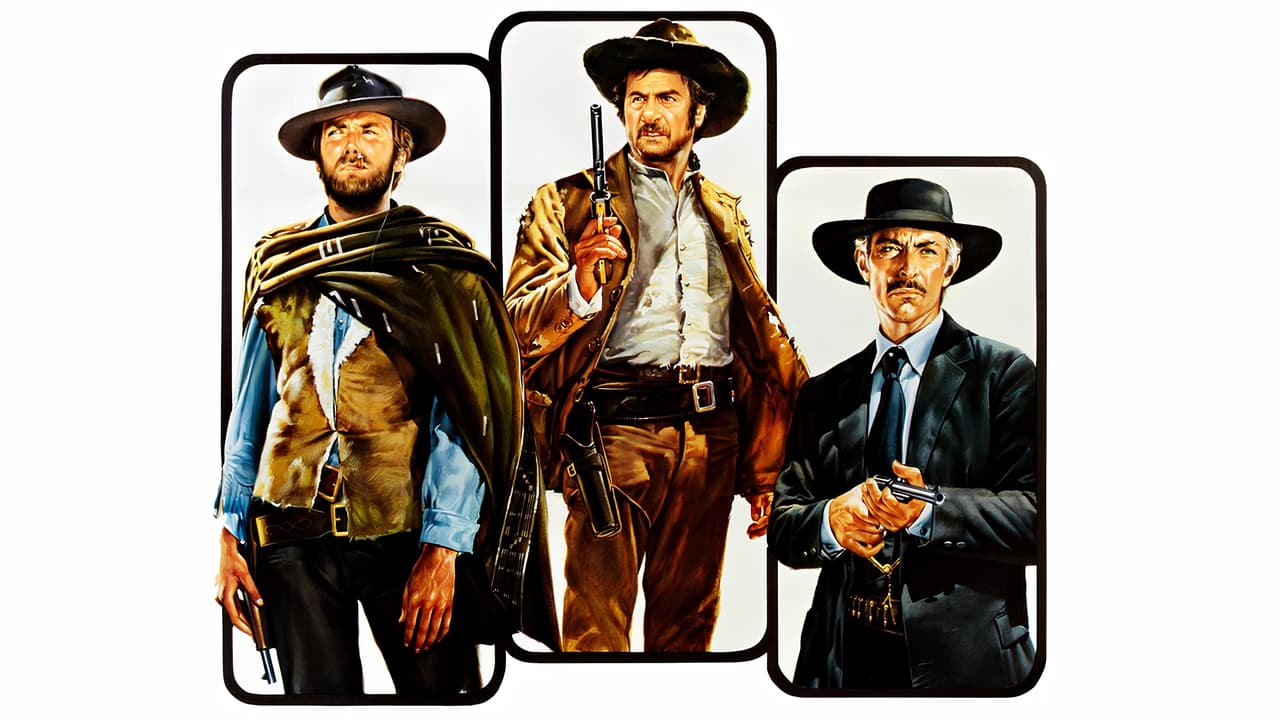
Sergio Leone escalates the final standoff through extreme close-ups of his protagonists' eyes, turning the face into an arena of psychological tension. No other film has deployed the close-up so consistently as a tool of dramatic suspense.
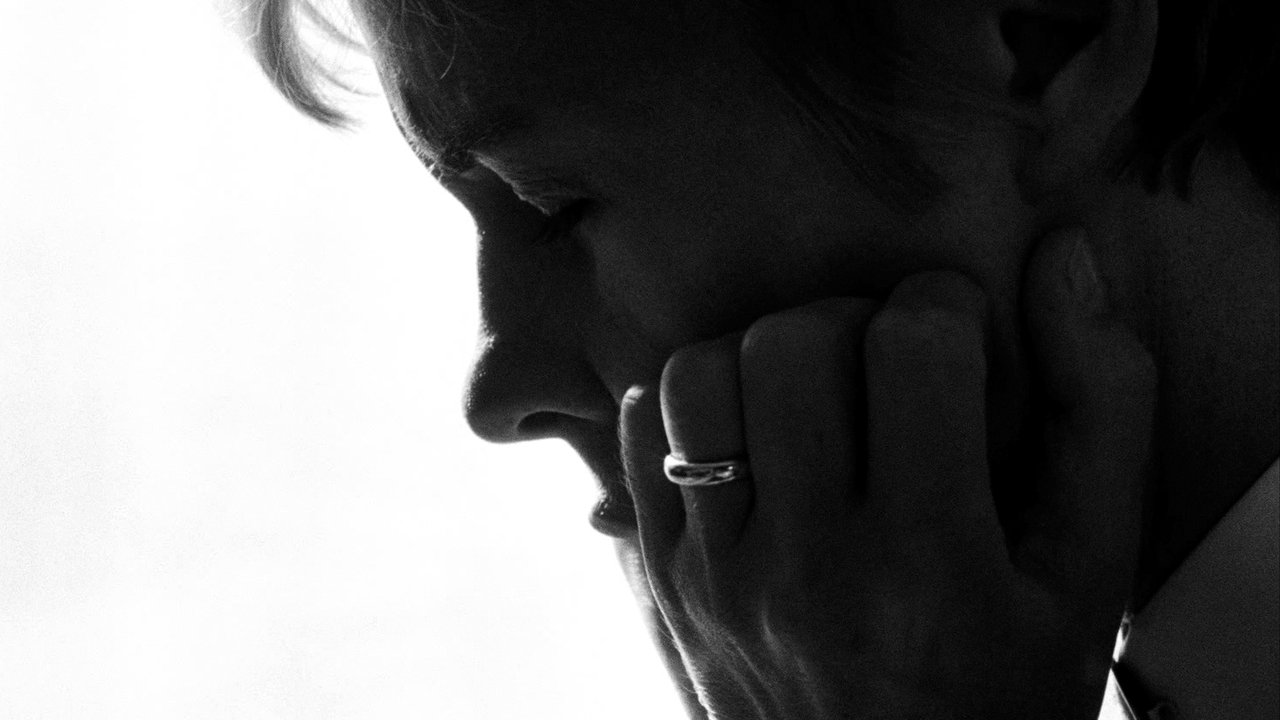
Bergman and cinematographer Sven Nykvist use the close-up to literally merge the identities of two women – the famous composite of two face-halves is considered one of the boldest close-up moments in film history. The human face becomes the film's sole dramatic location.
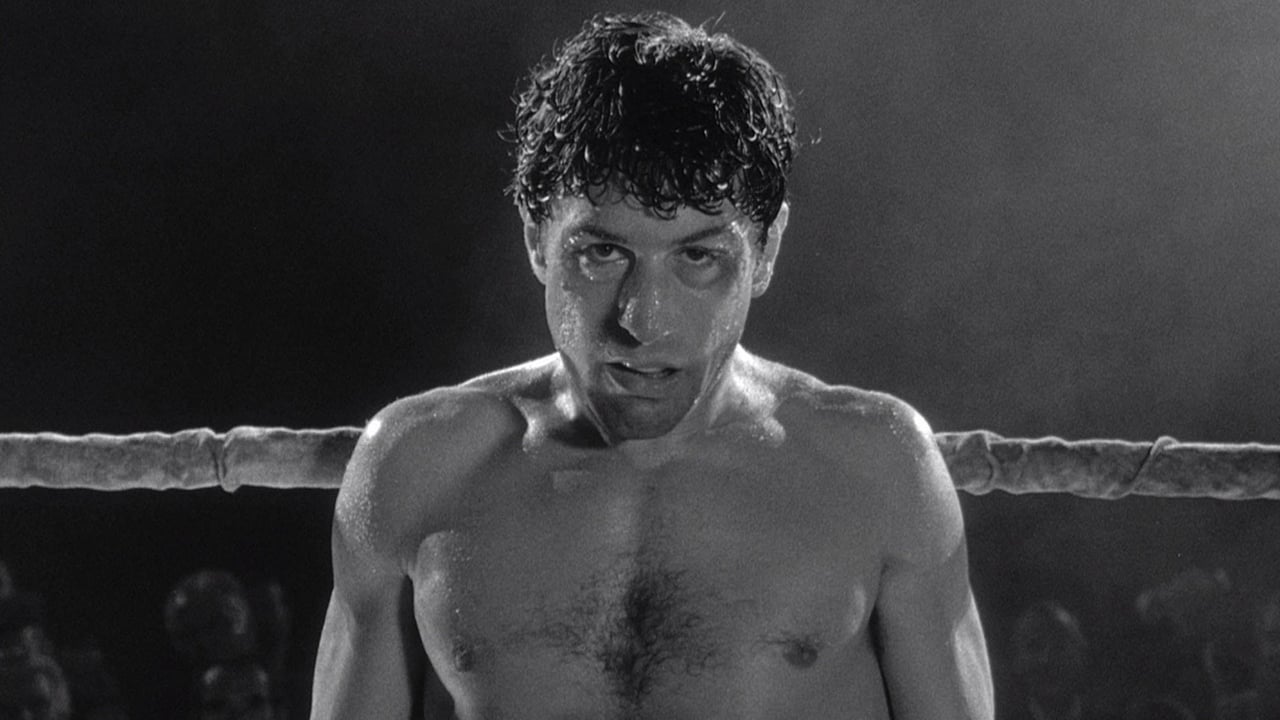
Michael Chapman's expressive black-and-white close-ups of Robert De Niro's face in the boxing ring make every blow physically palpable while simultaneously revealing the protagonist's inner devastation. The close-up functions here as an emotional X-ray.
Cuarón deliberately uses close-ups of Yalitza Aparicio's face to grant an indigenous domestic worker the dignity and interiority that society denies her – the close-up becomes an act of making visible. The camera lingers on her face, elevating it to the center of the narrative.
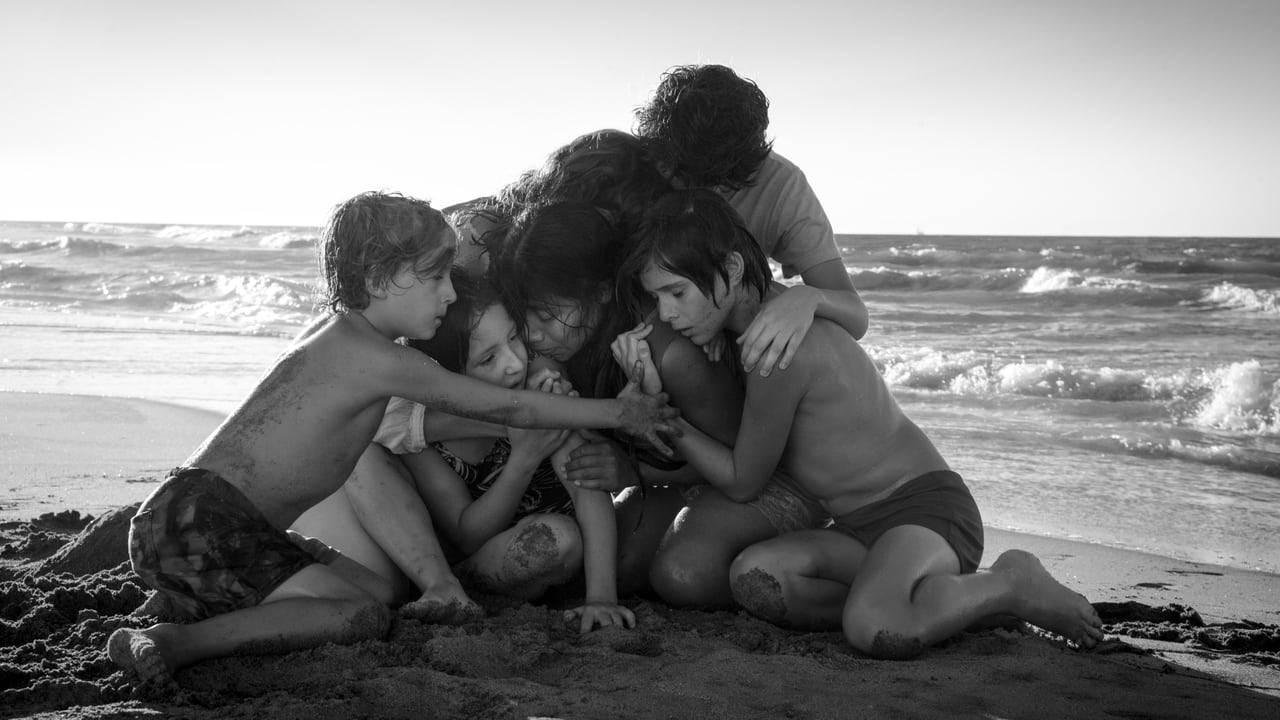
Film stills sourced via the TMDB API. This product uses the TMDB API but is not endorsed or certified by TMDB. themoviedb.org ›
The Close-Up (German: Großaufnahme, Abbreviation: CU or G) is a shot size where a person's face fills the frame. The typical framing extends from the top of the head to the upper chest area. The Close-Up is one of the most important tools of cinematic storytelling.
┌─────────────────────────┐
│ │
│ ┌───────────┐ │
│ │ Forehead │ │
│ │ Eyes │ │
│ │ Nose │ │
│ │ Mouth │ │
│ │ Chin │ │
│ └───────────┘ │
│ (Shoulders) │
└─────────────────────────┘The Close-Up was established as a revolutionary narrative device by pioneers such as D.W. Griffith and Sergei Eisenstein. Before film, no art form could show the human face so large and in such detail.
"The Close-Up is the soul of film." — Béla Balázs, film theorist
Großaufnahme ist Teil meiner visuellen Sprache. Ich setze es bewusst ein, um Emotionen zu transportieren und die Geschichte zu unterstützen. Die technische Beherrschung ist Voraussetzung für kreative Freiheit.
Bei Großaufnahme arbeite ich eng mit meinem DoP zusammen. Es beeinflusst, wie der Zuschauer die Szene emotional erlebt. Die Entscheidung treffen wir gemeinsam in der Vorproduktion.
Großaufnahme beeinflusst meine Schnittmöglichkeiten direkt. Ich brauche Material, das im Rhythmus funktioniert und mir Spielraum für die finale Erzählung lässt.
Großaufnahme hat Zeit- und Budgetimplikationen. Ich plane die Ressourcen so, dass das kreative Team seine Vision umsetzen kann, ohne den Rahmen zu sprengen.
1. Was beschreibt „Großaufnahme" am besten?
2. Zu welchem Department gehört „Großaufnahme"?
3. Wie viele verschiedene Fachperspektiven bietet dieser Eintrag?
The Lexikon is part of the Filmfarm ecosystem — alongside budgeting (FilmBalance), an industry magazine (FilmCircus) and crew networking (FilmCall, CrewMesh). One shared vocabulary for the whole production.