Technical Details
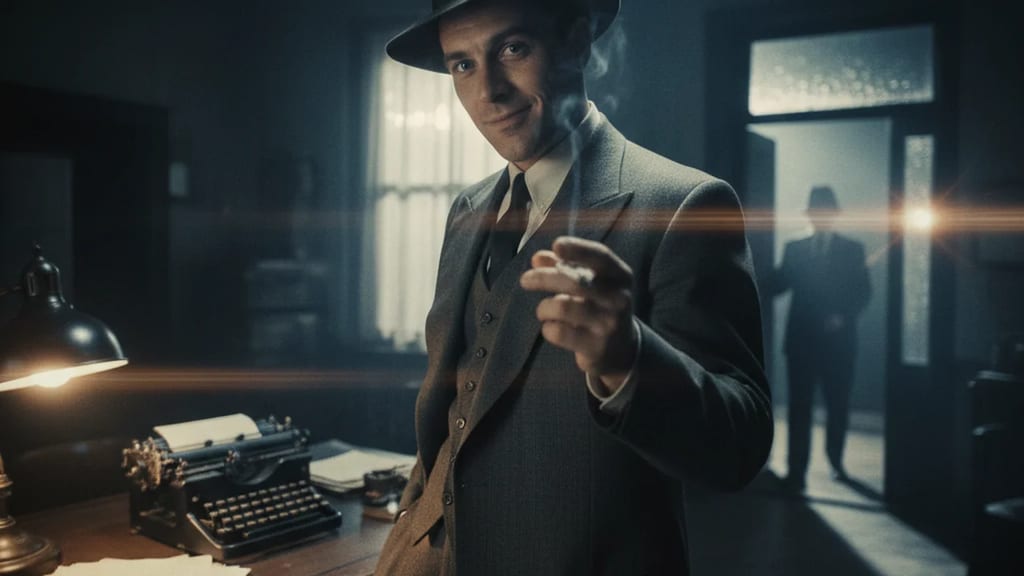
Cinematically, the fourth wall is primarily realized through direct-to-camera shots, where actors look into 50mm or 85mm lenses to simulate natural eye contact. The camera positioning is at the actor's eye level, typically between 1.60m and 1.80m in height. Technically, a distinction is made between spontaneous breaks (improvised glances), narrative asides (planned comments), and meta-commentary (self-reflexive film criticism). Modern productions also utilize split-screen techniques or digital compositing methods to create more complex interactions between character and audience.
History & Development
The first documented instances in cinema date back to Georges Méliès' "Le Voyage dans la Lune" (1902), where characters occasionally looked at the camera. Woody Allen systematically developed this technique from the 1970s onwards in films like "Annie Hall" (1977). The breakthrough for mainstream productions occurred in 2016 with "Deadpool," which grossed over $783 million, proving the commercial viability of the technique. Since then, approximately 15-20 blockbusters annually integrate fourth-wall breaks, compared to an average of 3-5 films per year in the 1990s.
Practical Application in Film
"Ferris Bueller's Day Off" (1986) uses 47 direct camera addresses for character development. "House of Cards" established the technique in the series format with an average of 12 fourth-wall breaks per episode. Production-wise, these scenes require separate camera setups: while master shots capture the regular action, direct-address sequences are shot in isolated takes with independent lighting. Disadvantages include increased editing effort and potential immersion disruption if applied improperly.
Comparison & Alternatives
Voice-over narration remains invisible to the audience, while fourth-wall breaks establish visually direct communication. Mockumentary formats simulate interview situations without actual audience address. Found-footage films use the camera as a diegetic element without breaking the narrative reality. Breaking the fourth wall works optimally in comedies and meta-narratives, while drama productions tend to rely on subtler techniques such as meaningful glances or voice-over.