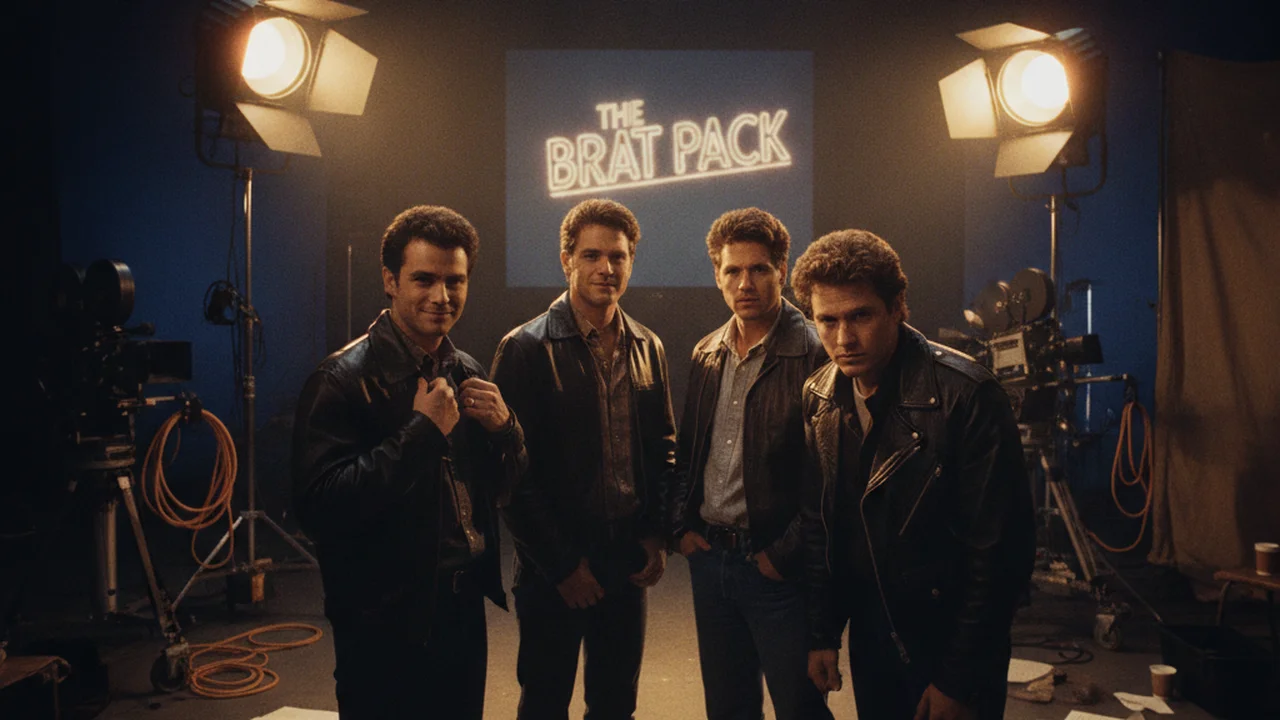
Cohort of young actors in the 1980s—Estevez, Lowe, Sheen, Nelson—who dominated teen and college drama casting. Shaped studio expectations for commercial mainstream productions.
The eighties saw the emergence of a cohort of young actors who profoundly altered the commercial casting of mainstream American productions—a group defined by their presence in teen and college dramas, quickly becoming synonymous with youthful rebellion and marketing strategy. Estevez, Lowe, Sheen, Nelson, and their counterparts not only embodied characters on screen but formed a closed ecosystem of mutual casting, cross-promotional projects, and a highly conscious stylization of their public image. Crucially for casting directors, this ensemble cohesion allowed producers to target young demographics—a phenomenon that budget managers re-evaluated.
On set and during casting, this resulted in a noticeable shift in script development. No longer was character-driven narration the primary focus, but rather the question: which member of this group fits the available slot? Directors like John Hughes organized their productions—such as The Breakfast Club or Sixteen Candles—around these names. The casting logic followed dramaturgical constraints less than a clearly recognizable interest in brand recognition and audience expectation. Every new casting from this circle signaled to the market: this is a film for you.
In editing and post-production, this strategy impacted tonality and pacing—the material had to carry the expected rhythm of such an ensemble. The problem critics later highlighted was less the acting performance than the interchangeability of roles. A certain demeanor, vocal tone, or posture were replicated formulaically. Similar applied to production designers and costume designers: the authenticity of urban or high school youth was reduced to a very specific, marketable aesthetic.
Ultimately, the legacy of this group lay less in their artistic innovation than in the codification of demographic casting as a primary narrative tool. They demonstrated that commercial US productions could be profitable not by seeking the best actor for the role, but by seeking the actor who brought the demographic. This pragmatism continues to shape mainstream cinema to this day—only the names have long since changed.
Related terms
Quiz
1. Was beschreibt „Brat Pack" am besten?
2. Zu welchem Department gehört „Brat Pack"?