Technical Details
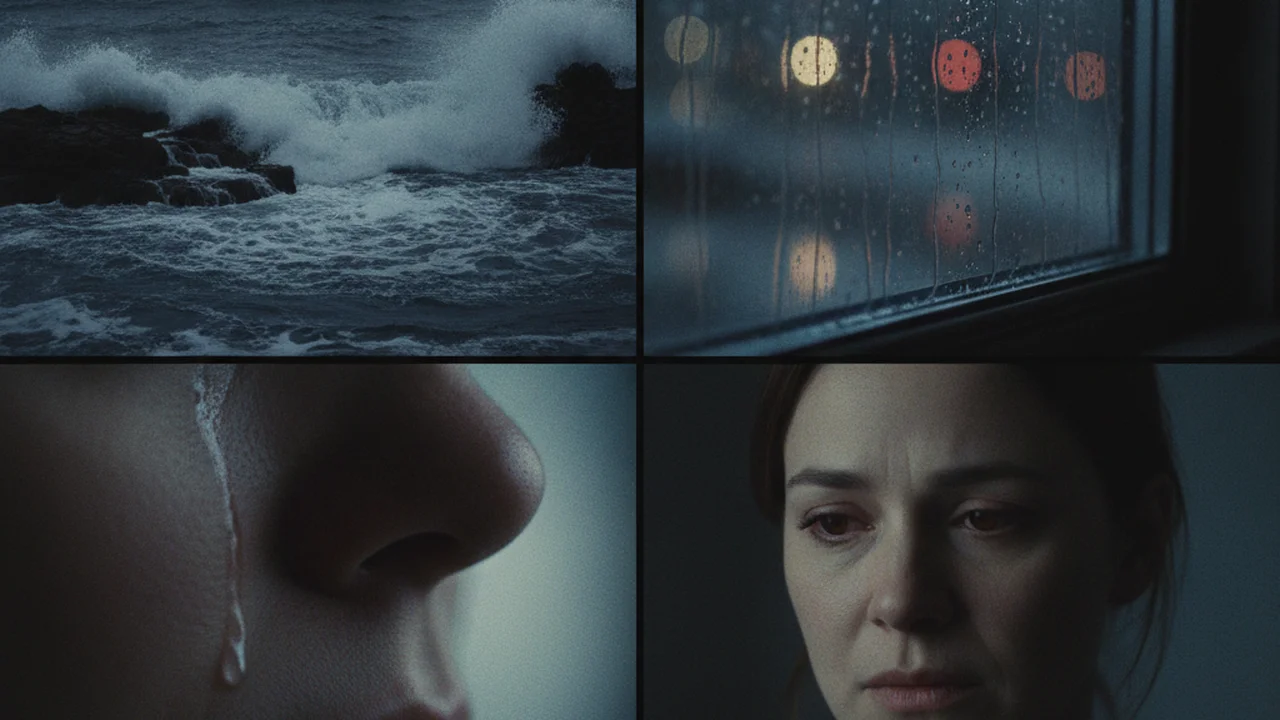
Associative editing typically works with editing rates of 2-8 shots per second during transitional sequences. The shot lengths vary between 0.125 seconds (3 frames at 24fps) and 2 seconds, with rhythmic accelerando or ritardando structures frequently employed. Technically, a distinction is made between direct associative editing (immediate image sequence), indirect editing (separated by intercuts), and parallel editing (simultaneous construction of multiple association levels). Modern techniques are often enhanced by match cuts, graphic similarities, or color/form associations.
History & Development
Sergei Eisenstein developed the theoretical foundations of associative editing in 1925 in "Battleship Potemkin," demonstrated in the famous Odessa Steps sequence. Vsevolod Pudovkin systematized five basic types in 1926: contrast, parallelism, symbolism, simultaneity, and leitmotif editing. Jean-Luc Godard revolutionized the technique in 1960 with "Breathless" through jump cuts and expanded it with pop-cultural references. Modern applications are increasingly found in music videos since MTV (1981) and in digital media, where algorithms have been able to generate automated associative connections since 2010.
Practical Application in Film
Stanley Kubrick's "2001: A Space Odyssey" (1968) uses the match cut from the thrown bone to the space station for a 4-million-year time jump association. Christopher Nolan, in "Dunkirk" (2017), works with three parallel timelines (1 week/1 day/1 hour), which are connected through associative cuts between ticking, engine sounds, and heartbeats. Edgar Wright uses an average of 3,000 cuts per 90-minute film in his movies (industry standard: 1,500), with 40% being associatively motivated. The workflow requires detailed shot lists and precise continuity protocols for connection matches already in the screenplay.
Comparison & Alternatives
Associative editing differs from analytical editing by dispensing with spatial-temporal logic and from synthetic editing by focusing on meaning generation rather than plot progression. Classic Hollywood editing follows the 180-degree rule system, while associative techniques deliberately employ disorientation. Modern alternatives include algorithm-based editing (available in post-production since 2015) and VR 360° associative editing, which creates spatial rather than temporal connections. Long-take aesthetics (Béla Tarr, Tsai Ming-liang) function as a counter-movement to associative fragmentation.