Filmlexikon.
Support
Anagnorisis
Theory · Terms

Anagnorisis

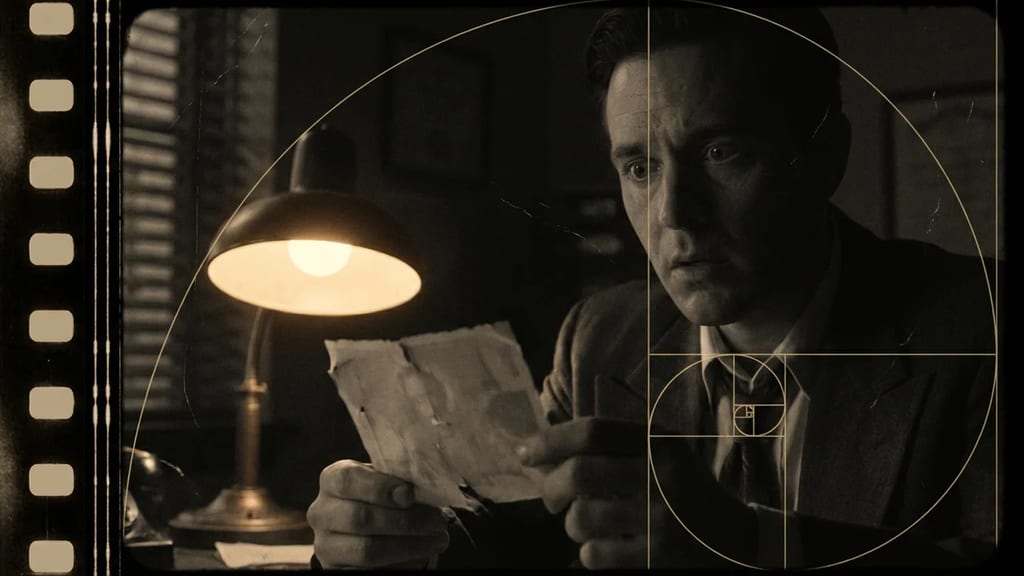
Murnau AI illustration
flow roll conflict

Recognition scene in which the protagonist or audience discovers a crucial truth about identity, circumstances, or relationships; pivotal moment of dramatic revelation.

Technical Details

Anagnorisis manifests in three main types: self-recognition (protagonist realizes their own mistakes or true nature), person recognition (unveiling the identity of other characters), and situational recognition (understanding complex plot connections). Cinematically, it is typically realized through close-ups with 85mm-135mm focal lengths to focus on the emotional reaction. The average scene duration is 45-90 seconds, with the actual moment of realization usually compressed into 8-12 seconds.

History & Development

Aristotle defined anagnorisis in 335 BC as one of the six fundamental elements of tragedy. D.W. Griffith established the first film-specific implementations through montage techniques in "The Birth of a Nation" in 1915. Alfred Hitchcock perfected visual anagnorisis from the 1940s onwards through precise camera work and editing rhythm. The modern blockbuster era since "Star Wars" (1977) has increasingly utilized spectacular revelation moments as central plot devices.

Practical Application in Film

"The Sixth Sense" (1999) constructs the entire narrative around a final anagnorisis at minute 103 of 107. "Chinatown" (1974) uses multiple smaller anagnorisis moments that lead to a climactic revelation. In "The Usual Suspects" (1995), the realization is built through parallel montage of interrogation scenes and flashbacks. Practically, anagnorisis requires precise preparation through planted information and red herrings in the preceding 60-80% of the runtime.

Comparison & Alternatives

Peripeteia describes the reversal of fortune, while anagnorisis focuses on recognition – both often occur simultaneously. Dramatic irony positions the audience as knowing, whereas in anagnorisis, the character realizes simultaneously with the viewers. Plot twist refers to surprising turns without necessary self-recognition by the characters. Modern series use distributed anagnorisis across multiple episodes instead of concentrated individual moments.

From the crafts

Perspectives

Cinematographer

Ich plane Anagnorisis-Momente mit spezifischen Brennweiten - 85mm für intime Selbsterkenntnis, 135mm für isolierende Realisierung. Die Beleuchtung verändere ich subtil während der Szene, oft von 3200K auf 4300K um die emotionale Verschiebung zu unterstreichen. Mein Fokus-Pulling muss präzise auf den Sekunden-Bruchteil der Erkenntnis getimed sein.

Director

Ich konstruiere Anagnorisis-Momente als narrative Dominosteine - jede Erkenntnis muss auf previously established information aufbauen und gleichzeitig neue Bedeutungsebenen eröffnen. Die emotionale Glaubwürdigkeit hängt von der Schauspielführung in diesen 8-12 kritischen Sekunden ab. Ich verwende oft kontrapunktische Musik oder bewusste Stille um die Intensität zu verstärken.

Producer

Anagnorisis-Szenen erfordern oft zusätzliche Drehtage für Multiple Takes und Coverage - kalkuliere 20-30% Mehraufwand für diese Key Moments. Die Test-Screenings fokussieren sich auf diese Szenen, da sie über kommerziellen Erfolg entscheiden können. Ich plane Reshoots-Budget speziell für diese Momente ein, da sie selten beim ersten Versuch perfekt funktionieren.

More in the lexikon

Related terms

Test your knowledge

Quiz

1. Zu welchem Department gehört „Anagnorisis"?

2. Wie viele verschiedene Fachperspektiven bietet dieser Eintrag?

Report an error
From the Filmfarm ecosystem

Understand visual language, budget productions, connect crew.

The Lexikon is part of the Filmfarm ecosystem — alongside budgeting (FilmBalance), an industry magazine (FilmCircus) and crew networking (FilmCall, CrewMesh). One shared vocabulary for the whole production.

FilmFarm FilmRadarComing soonFilmPulseComing soonFilmNumbersComing soonFilmCapitalComing soonFilmLabComing soonFilmBalanceComing soonFilmCircusComing soon