Filmlexikon.
Support
All Is Lost
Theory · Terms

All Is Lost

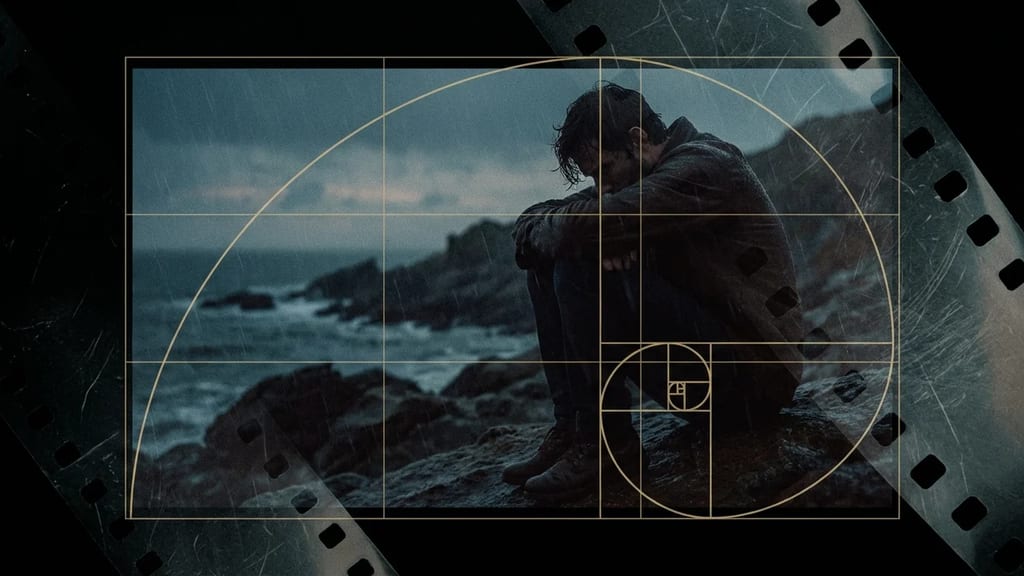
Murnau AI illustration
high seas thriller lost films orphan films

All Is Lost – narrative low point at 75% of runtime where the protagonist loses all external, internal, and strategic resources. Codified by Blake Snyder in 2005.

Technical Details

The "All Is Lost" moment manifests in three measurable dimensions: external losses (physical objects, people), internal losses (self-confidence, identity), and strategic losses (plans, escape routes). The emotional intensity reaches its narrative low point on average 12-15 story beats before the climax. Variants include the "False Bottom" (apparent low point with further fall) and "Cascade Failure" (staggered losses over 8-12 minutes of runtime).

History & Development

Blake Snyder codified the term in 2005 in "Save the Cat!", based on Syd Field's 1979 Three-Act Structure. Early applications can already be found in Greek tragedy as "Peripeteia". Joseph Campbell described related concepts in 1949 in "The Hero with a Thousand Faces" as the "Belly of the Whale". The modern interpretation was established through Snyder's Beat Sheet with exact positioning at 75% of the total runtime.

Practical Application in Film

In "The Dark Knight" (2008), Bruce Wayne loses Rachel, Harvey Dent, and his faith in Gotham at minute 126 of 152. "Rocky" (1976) shows Balboa's physical and mental breakdown in round 14. J.C. Chandor's "All Is Lost" (2013) uses the term as its title and a structuring element: Robert Redford loses his boat, navigation, and radio in a meticulously choreographed sequence. The moment requires 15-25% of post-production time for emotional calibration through editing and music.

Comparison & Alternatives

Differs from the "Midpoint" by complete loss of resources rather than mere complication. The "Dark Night of the Soul" follows immediately and depicts the emotional reaction, while "All Is Lost" describes the factual losses. Dan Wells' alternative "Seven Point Story Structure" positions the moment as "Plot Turn 2". Modern series use "Seasonal All Is Lost" over episodes 18-20 of 22-episode seasons. The "False Victory" structure inverts the pattern through apparent triumph before the actual fall.
From the crafts

Perspectives

Cinematographer

Ich fotografiere diese Momente mit maximaler visueller Reduktion - enge Brennweiten, minimale Bewegung, oft handheld für Intimität. Die Beleuchtung wird drastisch reduziert, Schatten dominieren das Gesicht, manchmal arbeite ich nur mit praktischem Licht oder sogar available light. Farbtemperatur shift hin zu kälteren Tönen verstärkt die emotionale Isolation.

Director

Ich nutze "All Is Lost" als emotionalen Reset-Knopf - der Charakter muss vollständig entblößt werden, bevor er seine wahre Stärke finden kann. Die Szene braucht absolute Stille in der Inszenierung, keine Ablenkungen, pure Konzentration auf den inneren Zusammenbruch. Hier entscheidet sich, ob das Publikum den Charakter wirklich liebt oder nur mitleidig beobachtet.

Producer

Diese Szenen sind produktionstechnisch tückisch - sie wirken simpel, brauchen aber die meisten Takes für die richtige emotionale Nuance. Ich plane 20% mehr Drehtage für "All Is Lost"-Sequenzen ein, weil Schauspieler hier an ihre Grenzen gehen. Die Postproduktion wird teurer durch intensiveres Color Grading und präzisere Soundgestaltung für maximale emotionale Wirkung.

More in the lexikon

Related terms

Test your knowledge

Quiz

1. Zu welchem Department gehört „Alles verloren"?

2. Wie viele verschiedene Fachperspektiven bietet dieser Eintrag?

Report an error
From the Filmfarm ecosystem

Understand visual language, budget productions, connect crew.

The Lexikon is part of the Filmfarm ecosystem — alongside budgeting (FilmBalance), an industry magazine (FilmCircus) and crew networking (FilmCall, CrewMesh). One shared vocabulary for the whole production.

FilmFarm FilmRadarComing soonFilmPulseComing soonFilmNumbersComing soonFilmCapitalComing soonFilmLabComing soonFilmBalanceComing soonFilmCircusComing soon