Cinematographer
From a DoP's perspective, this element is essential for the visual design. It allows me to consistently implement the desired color mood and aesthetic image.
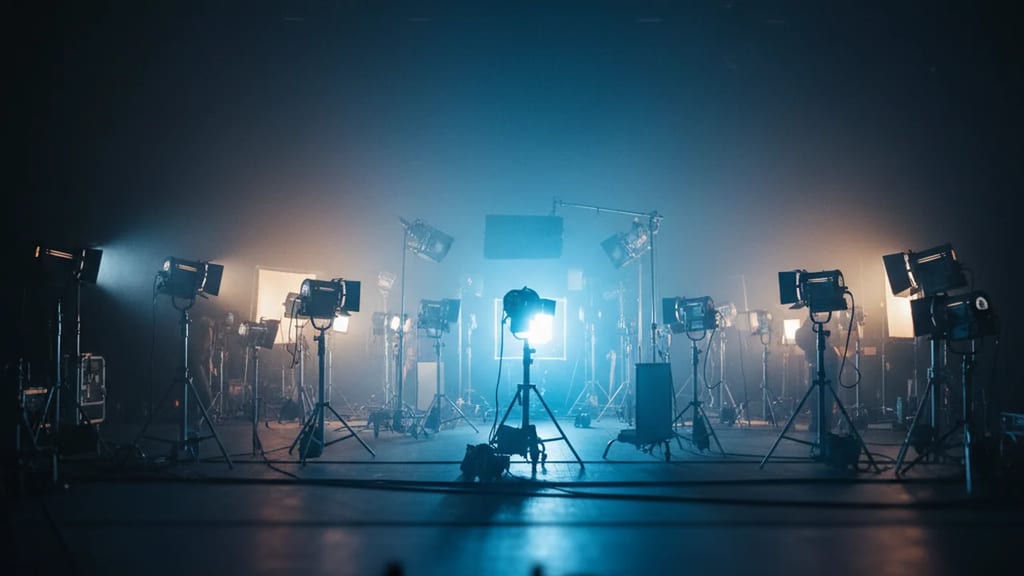
10000K is a color temperature of 10,000 Kelvin—a very cool, heavily blue-tinted light value typical of clear blue sky and shadow areas.
Sven Nykvist consistently employs the diffuse, bluish-cool light of open shade on the Swedish coast to visually mirror the emotional coldness and dissociation of the characters – a prime example of 10,000K light used as a dramaturgical tool.

John Alcott photographs the Overlook Hotel's exterior in clear, shadowless high-altitude light with extremely high color temperatures, lending the snow and sky a menacingly sterile blue that underscores the family's isolation.

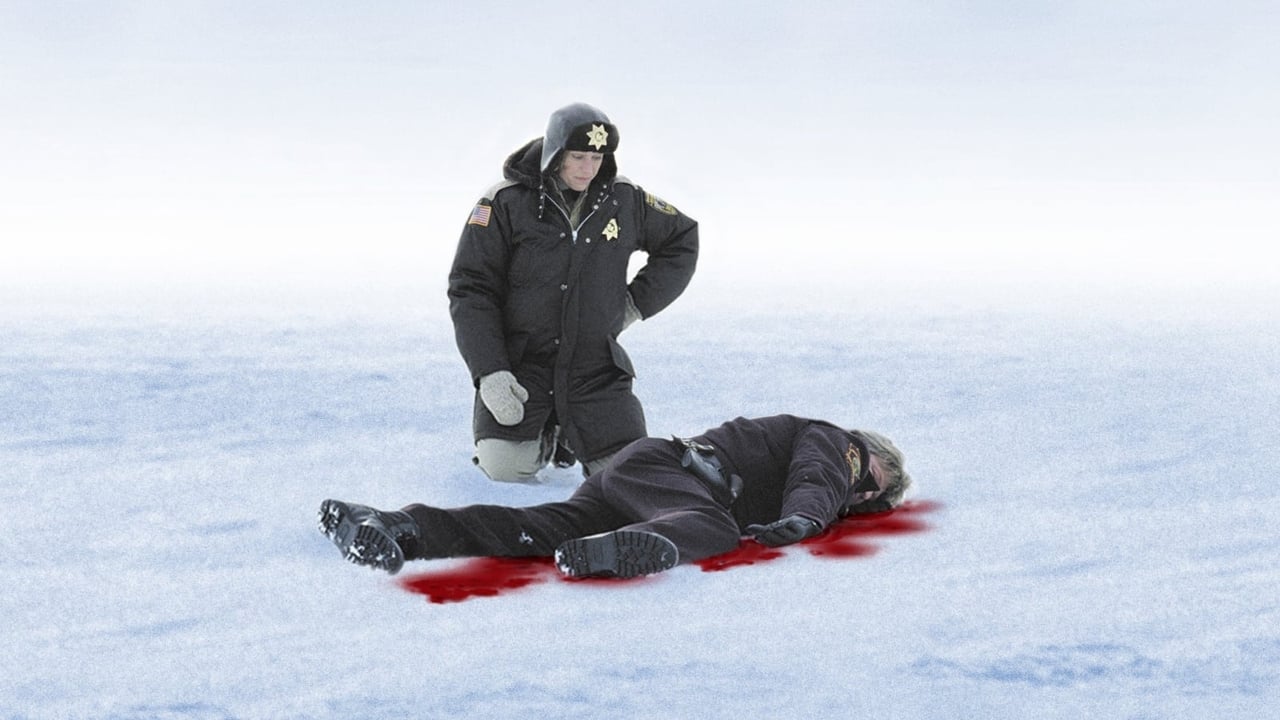
Roger Deakins deliberately employs the flat, blue-tinted light of the overcast Minnesota winter – the dominant 10,000K tones in the exterior light create a clinical coldness that simultaneously carries the film's laconic humor and brutality.
Emmanuel Lubezki shot exclusively with natural light in Canadian and Argentinian winter landscapes; the extended blue hours and open sky consistently deliver color temperatures around 10,000K, giving the film its characteristic icy texture.

Film stills sourced via the TMDB API. This product uses the TMDB API but is not endorsed or certified by TMDB. themoviedb.org ›
10000K refers to a color temperature of 10,000 Kelvin and describes the light color of a light source, not its brightness or power. On the Kelvin scale, 10,000 K is among the highest (coolest) values practically encountered in film and television lighting. Such light appears distinctly bluish and is typically produced by a clear, deep blue sky without direct sun, as well as in open shade.
It is important to distinguish this from the notation for spotlight power: a 10 kW spotlight (10,000 watts, e.g., a 10K Fresnel) is usually noted as "10K" or "10kW" and describes electrical power. "10000K," with the Kelvin suffix, refers to color temperature.
The lower the Kelvin value, the warmer (redder/yellower) the light; the higher the value, the cooler (bluer). 10,000 K is at the cool end of the practically relevant range.
| Light Source / Condition | Color Temperature (approx.) |
|---|---|
| Candlelight | 1,800 K |
| Incandescent Lamp / Artificial Light (Tungsten) | 3,200 K |
| Daylight / Sun (Standard Daylight) | 5,600 K |
| Overcast Sky | 6,000–8,000 K |
| Heavily Overcast Sky / Shade | up to approx. 10,000 K |
| Clear Blue Sky | approx. 10,000 K and higher |
A source or situation with around 10,000 K requires conscious control of the white balance during shooting. If the camera is set to 10,000 K, the blue light will be rendered neutrally; if the camera remains set to daylight (5,600 K), the image will appear cool and blue.
From a DoP's perspective, this element is essential for the visual design. It allows me to consistently implement the desired color mood and aesthetic image.
This professional solution increases production efficiency and reduces post-production requirements. It allows for flexible, rapid adjustments during the shoot.
As a gaffer, this is an indispensable tool in my daily toolkit. It allows me professional light control and quick adjustments on set, which saves time and ensures quality.
1. Zu welchem Department gehört „10000K (Blauer Himmel)"?
2. Wie viele verschiedene Fachperspektiven bietet dieser Eintrag?
The Lexikon is part of the Filmfarm ecosystem — alongside budgeting (FilmBalance), an industry magazine (FilmCircus) and crew networking (FilmCall, CrewMesh). One shared vocabulary for the whole production.