
Camera mounted on operator's body with stabilizing arm that absorbs footsteps. Floats through space with smooth, rail-like movement — complete freedom of movement, no tracks needed.
Famous examples · Steadicam Shot / Stabilized Handheld
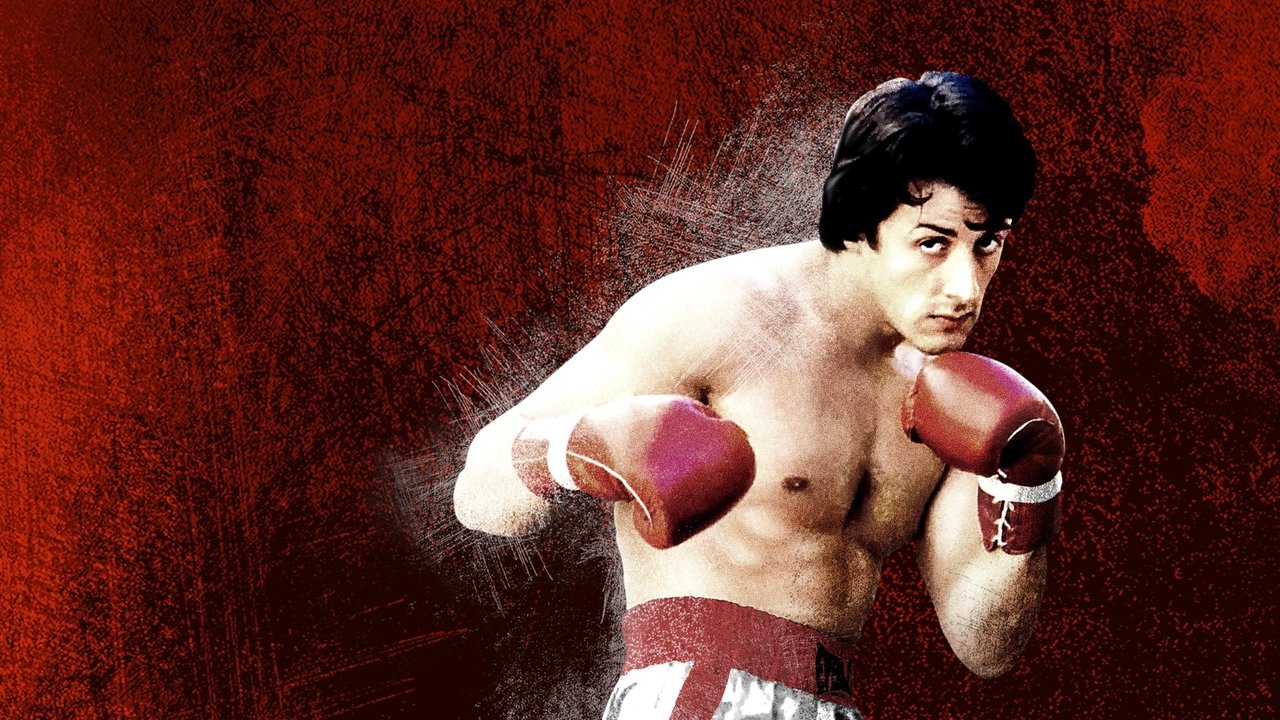
Rocky
Inventor Garrett Brown deployed his own Steadicam invention extensively for the first time, following Rocky through the streets of Philadelphia – the fluid pursuit became the founding document of the technology.
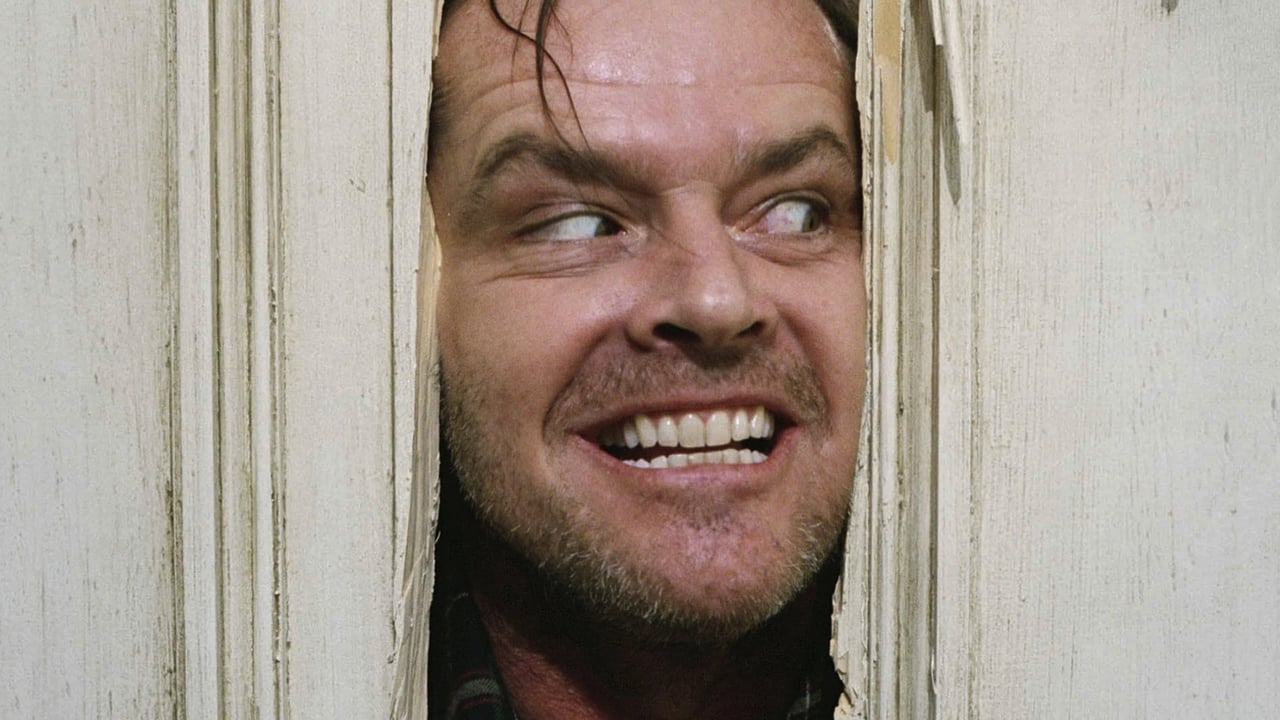
The Shining
Kubrick used the Steadicam to follow Danny on his tricycle through the corridors of the Overlook Hotel – the smoothly gliding camera creates an uncanny, ghostly presence that neither handheld nor dolly could have achieved.
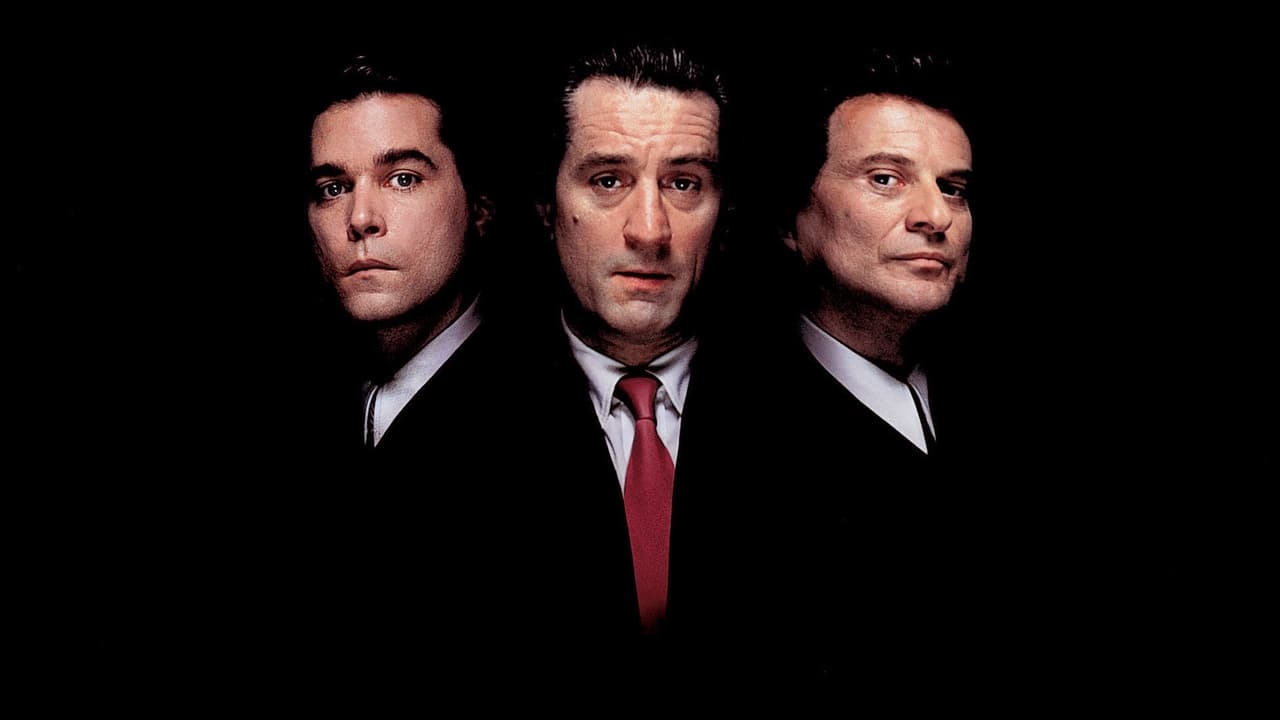
Goodfellas
The famous Copacabana sequence leads Henry and Karen through kitchens and corridors into the club in a single two-minute Steadicam take – the uninterrupted movement conveys Henry's power and belonging to the underworld.
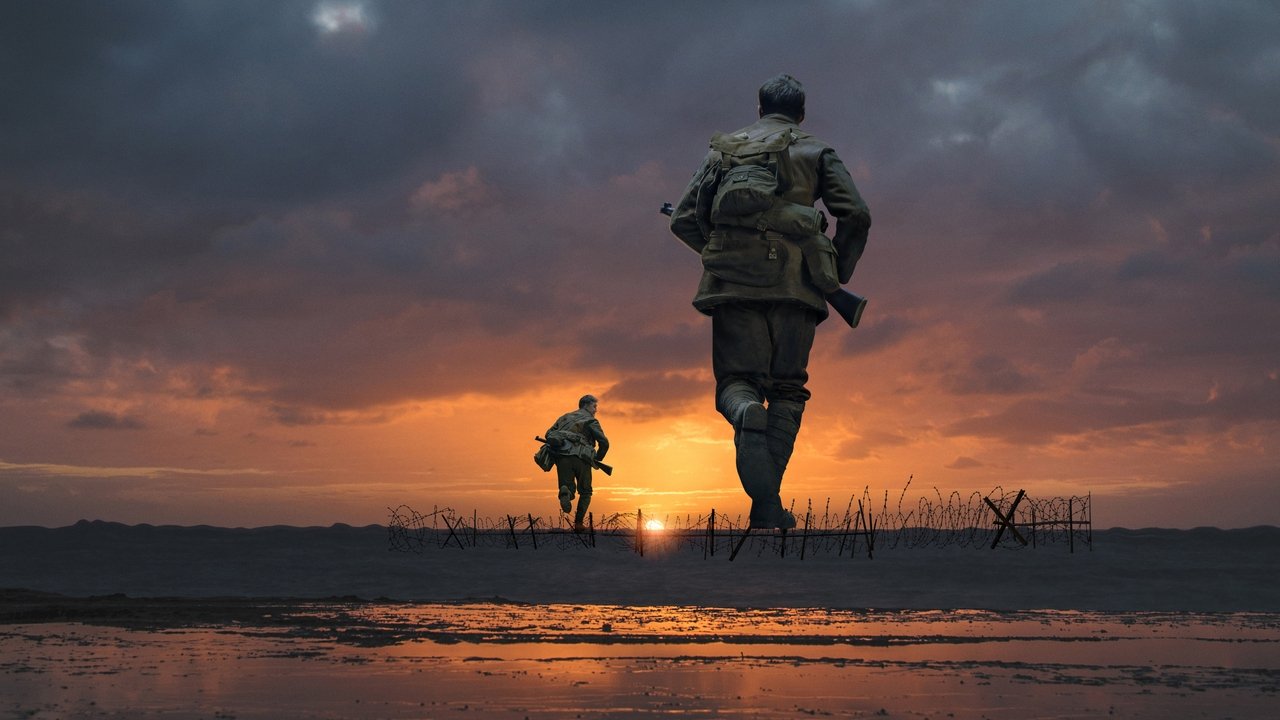
1917
Deakins combined Steadicam with precise choreography to present the film as an apparent single real-time take – the close, fluid camera forces the audience to accompany every step of the soldiers through no man's land.
Film stills sourced via the TMDB API. This product uses the TMDB API but is not endorsed or certified by TMDB. themoviedb.org ›
Definition
A Steadicam shot is a camera movement in which the camera is mounted on a body-worn stabilization system. The operator wears a vest rig to which a mechanical gimbal system is attached, isolating the camera position from body movement. This produces fluid, floating perspectives that have neither the rigidity of rail systems nor the roughness of handheld cameras.
Technical Execution
Steadicam System Components
Steadicam Vest (Body Rig)
- Supports weight of entire system (typically 12-18kg)
- Balances weight across hips and shoulders
- Reduces physical strain
- Premium vests (EasyRig Ultra) feature electronic weight compensation
- Modern vests: Easyrig, Steadicam Arm, custom systems
Sled (Gimbal Arm System)
- Mechanical system with weights and counterweights
- Enables 3D freedom of movement with vibration isolation
- Standard length: 20-35cm
- Modern sleds: Steadicam M1, Steadicam Zephyr, DJI Ronin 4D
- Weight: 4-8kg with camera payload
Head (Camera Mount)
- Spherical or pan/tilt head
- Options: fluid pan/tilt for manual control
- Remote head options: Libra system for autonomous pan/tilt
- Stabilization: damping to ±0.02 degrees
Monitor & Controls
- Operators use video monitor on arm
- Wireless video feed to camera required
- Focus puller works remotely or with 1st AC at monitor
- Modern systems: Teradek Bolt Pro wireless
Focal Length Selection for Steadicam
| Focal Length | Effect | Application |
|---|---|---|
| 28mm | Expansive, distorted movement | Dynamic action, psychotic chaos |
| 35mm | Balanced perspective | Standard drama, pursuit sequences |
| 50mm | Subtle, elegant | High-end drama, dialogue |
| 85mm | Isolates subject from context | Emotional close-ups |
| 135mm+ | Minimal perspective | Special effects, isolation |
Operator Requirements
- Minimum training: 3,000+ hours of practical experience
- Physical prerequisites: Strength, endurance, coordination
- Psychological: Spatial reasoning, psychological awareness
- Technical: Deep understanding of cameras, lenses, focus techniques
- Certification: SAG-AFTRA, IATSE Union required for union productions
History & Development
1976 – The Invention
Garrett Brown invented the Steadicam system as a revolutionary alternative to rail systems. His patent combined mechanical gimbal design with body-worn vest technology. The first professional application was "Marathon Man" (1976), though the system was still primitive.
1980 – "The Shining" Breakthrough
Stanley Kubrick used Steadicam extensively in "The Shining" (1980), with iconic tracking shots through the hotel corridors. These sequences define Steadicam aesthetics to this day. The technology enabled Kubrick's psychological vision—continuous, gliding movement creates disorientation.
1986 – "Platoon" Standard
Oliver Stone used Steadicam extensively in "Platoon" (1986) for jungle action sequences. Steadicam became the standard for fast-paced action pursuits. Operators like Larry McConkey established today's standards.
1990s – Scorsese Era
Martin Scorsese made Steadicam his favorite tool. "Goodfellas" (1990) features the iconic 3-minute Steadicam tracking shot through the Copacabana restaurant (combined with tracking shot and crane). Steadicam became a marker of high-end cinematography.
2000s–2020s – Digital Integration
Wireless video, digital cameras with native autofocus, and gimbal hybrids (DJI Ronin) expanded Steadicam possibilities. Christopher Nolan, Alfonso Cuarón, and Denis Villeneuve used Steadicam for signature movements. "Gravity" (2013) employed Steadicam for spatially motivated movement.
Practical Film Examples
Classic Steadicam Masterpieces
- "The Shining" (1980) – Iconic hotel corridor tracking shots (Kubrick)
- "Platoon" (1986) – Jungle action Steadicam (Stone)
- "Goodfellas" (1990) – 3-minute Copacabana tracking shot (Scorsese)
- "Jacob's Ladder" (1990) – Psychological Steadicam movement (Lyne)
Modern Masterpieces
- "Children of Men" (2006) – 7-minute Steadicam action take (Cuarón)
- "The Dark Knight Rises" (2012) – Extensive Steadicam in action sequences (Nolan)
- "Gravity" (2013) – Steadicam for spatial disorientation (Cuarón)
- "Inception" (2010) – Steadicam in architectural exploration (Nolan)
Artistic Dimensions
Psychological Quality
- Presence: Steadicam movement creates mental intimacy and continuity
- Organic: Movement feels human-natural, not mechanical
- Flow state: Audiences experience psychological "flow" without cut reflexivity
- Disorientation: Complex Steadicam movements can confuse or disturb
Narrative Functions
- Pursuit: Ideal for chase scenes and action
- Exploration: Navigate through spaces with mental continuity
- Character perspective: Always from character POV or quasi-POV
- Emotional anchor: Movement carries emotional rhythm
Technical Challenges
| Challenge | Solution | Complexity |
|---|---|---|
| Weight balance | Precise vest and gimbal calibration | Extremely high |
| Vibration isolation | Mechanical gimbal design | Hardware |
| Focus continuity | Wireless focus follow or preset focus | Very high |
| Operator fatigue | EasyRig weight compensation | Moderate |
| Monitoring | Wireless video feeds | Moderate |
Special Variants
Gimbal Hybrid (DJI Ronin 4D)
Modern alternative: motorized electronic gimbal rather than mechanical. Offers similar fluidity with improved stabilization and automated focus tracking.
Underwater Steadicam
Specialized Steadicam for underwater shooting. Neutralizes buoyancy, enables 3D movement.
Crane-Top Steadicam
Steadicam mounted on crane tip. Combines crane reach with Steadicam fluidity.
Lightweight Steadicam
Light Steadicam kits (4-6kg) for rapid mobility. Trade-off: less stabilization, but faster setup.
Comparison: Steadicam vs. Other Movement Systems
| System | Fluidity | Precision | Setup Time | Cost | Operator Specialization |
|---|---|---|---|---|---|
| Steadicam | Highest | Moderate | Minimal | €1,500-3,000 | Very high |
| Dolly+Rail | High | Very high | 2-4 hours | €500-2,000 | Moderate |
| Gimbal (DJI) | Very high | Moderate-high | <30 min | €400-1,000 | Low |
| Handheld | Low | Very low | Minimal | €100-300 | Low |
| Crane | Moderate | Very high | 2-4 hours | €800-2,500 | Very high |
Operator Skills & Certification
- Steadicam Operators International – Official certification organization
- SAG-AFTRA Union – Professional operator standards
- IATSE – Technical union for operator certification
- Training: Minimum 6-12 months intensive training
- Cost: $3,000-8,000 for professional certification
Modern Alternatives to Classical Steadicam
- DJI Ronin 4D: Motorized gimbal with autofocus tracking
- MoVI Pro: Compact gimbal for DSLR/mirrorless
- RED Komodo Hand Rig: Studio standard for gimbal shooting
- Glidecam Systems: Mechanical gimbal alternative (more economical)
Practical Planning Guidelines
- Operator procurement: Book 2-4 weeks in advance (limited availability)
- Pre-planning: Discuss movement choreography with operator
- Takes: Plan 3-5 takes per setup (physically demanding)
- Focus strategy: Clarify preset focus or wireless follow focus
- Safety: Scout locations for trip hazards before shoot
Equipment & Cost Overview
| Equipment | Cost | Notes |
|---|---|---|
| Operator day rate | €1,500-3,000 | Union vs. non-union varies |
| Steadicam system rental | €300-800/day | Alternative: operator provides equipment |
| Wireless video | €200-500/day | Teradek Bolt Pro standard |
| Focus puller (1st AC) | €400-700 | Required for precise focus |
| Video assistant | €200-400 | For monitor oversight |