Filmlexikon.
Support
Reversal
Theory · Terms

Reversal

Murnau AI illustration
ambiguous image reversible figure tilt shot detournement

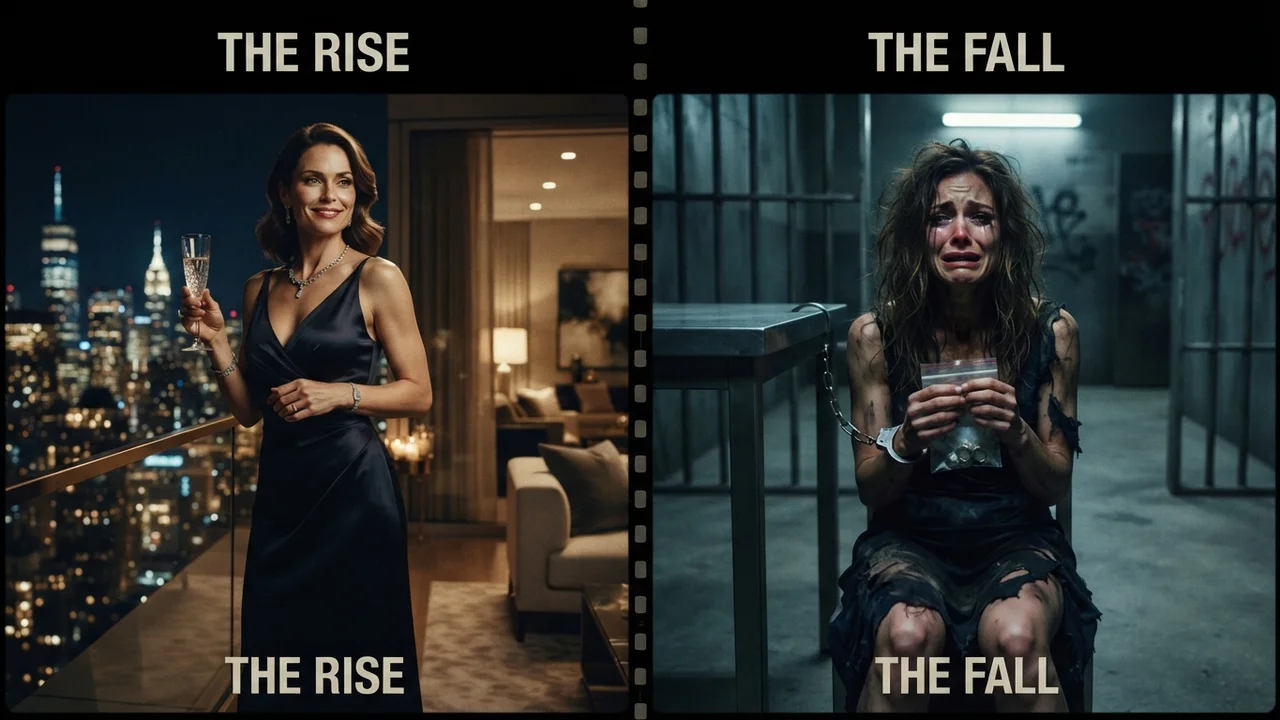
Narrative turning point that reverses plot direction and triggers new conflicts. Four types: situational, character-based, emotional, and informational.

Technical Details

Reversals are divided into four main types: Situational Reversal (change in external circumstances), Character Reversal (shift in character motivation), Emotional Reversal (change in mood), and Information Reversal (disclosure of new facts). The classic three-act structure places the first reversal after 20-30 minutes, and the second after 60-90 minutes of running time. Modern thrillers use micro-reversals at 8-12 minute intervals to maintain suspense.

History & Development

Aristotle first described peripeteia as a dramatic principle in his Poetics in 335 BC. In 1979, Syd Field codified Plot Points as modern reversals in Screenplay and established the 30-60-30 page structure. Robert McKee expanded the concept in 1997 with Progressive Complications, while Blake Snyder defined 15 specific turning points in 2005 with the Beat Sheet.

Practical Application in Film

In Jaws (1975), the discovery of the first victim transforms the tranquil summer atmosphere into panic. Psycho (1960) executes a radical protagonist change reversal after 47 minutes with the death of Marion Crane. The Sixth Sense (1999) utilizes a final Information Reversal that reinterprets the entire film retrospectively. Thrillers like Gone Girl (2014) employ False Reversals, using apparent twists as misdirection.

Comparison & Alternatives

Reversal differs from a twist in its structural function – while a twist surprises, a reversal advances the plot. A cliffhanger pauses suspense, whereas a reversal resolves it in a new direction. Foreshadowing prepares for reversals, while red herrings conceal them. In serial formats, reveals often replace classic reversals, as the episodic structure requires continuous turning points.
From the crafts

Perspectives

Cinematographer

Ich plane Umkehrungen durch bewusste Bildkomposition vor – neutrale Einstellungen vor dem Wendepunkt, dann drastische Perspektivwechsel oder Brennweitenwechsel um die emotionale Verschiebung visuell zu unterstreichen. Bei *Information Reversals* setze ich oft auf Close-ups der reagierenden Figuren, um die Wirkung zu maximieren.

Director

Ich baue Umkehrungen in drei Phasen: Setup (Erwartungshaltung schaffen), Trigger (auslösendes Ereignis) und Aftermath (neue Handlungsrichtung etablieren). Entscheidend ist das Timing – zu früh wirkt willkürlich, zu spät verliert das Publikum das Interesse. Ich probe Umkehrungsszenen intensiver, da sie den ganzen Film tragen oder brechen können.

Producer

Umkehrungen erfordern präzise Planung, da sie oft kostenintensive Mood-Wechsel bedeuten – von romantischen Dinner-Szenen zu Actionsequenzen. Ich kalkuliere 15-20% Mehrkosten für komplexe Reversals ein, da sie meist zusätzliche Drehtage, veränderte Locations oder Special Effects erfordern. Test Screenings zeigen sofort, ob Umkehrungen funktionieren – Nachdreh-Budget ist essentiell.

More in the lexikon

Related terms

Test your knowledge

Quiz

1. Zu welchem Department gehört „Umkehrung"?

2. Wie viele verschiedene Fachperspektiven bietet dieser Eintrag?

Report an error
From the Filmfarm ecosystem

Understand visual language, budget productions, connect crew.

The Lexikon is part of the Filmfarm ecosystem — alongside budgeting (FilmBalance), an industry magazine (FilmCircus) and crew networking (FilmCall, CrewMesh). One shared vocabulary for the whole production.

FilmFarm FilmRadarComing soonFilmPulseComing soonFilmNumbersComing soonFilmCapitalComing soonFilmLabComing soonFilmBalanceComing soonFilmCircusComing soon