Filmlexikon.
Support
Panavision G Series Anamorphic
Camera · Equipment

Panavision G Series Anamorphic

Murnau AI illustration
panavision g series panavision c series anamorphic panavision t series anamorphic panavision c series

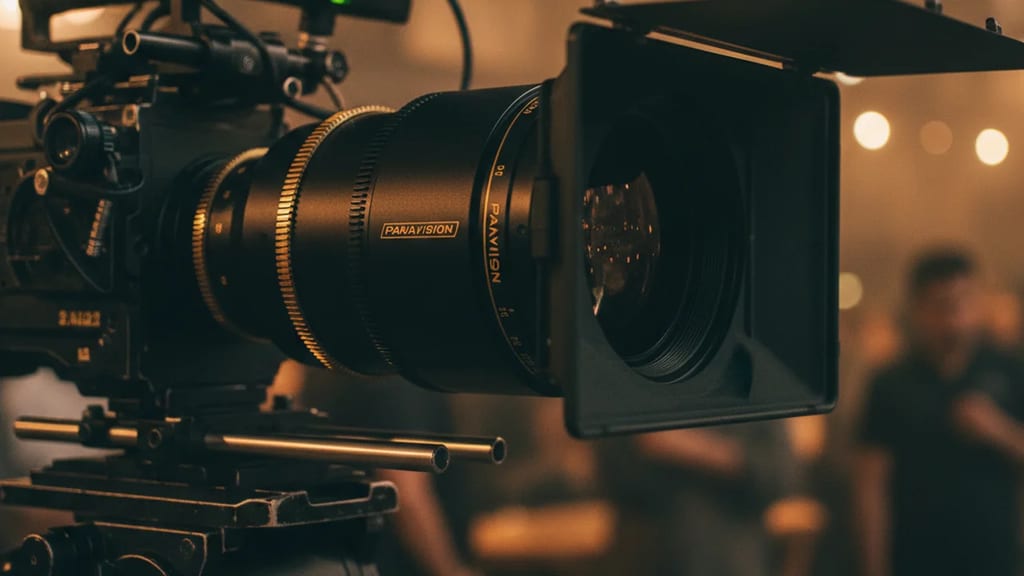
Compact 2x anamorphic prime lenses by Panavision, introduced 2007, with typical T2.6 aperture.

Overview

The G Series Anamorphic is a series of anamorphic prime lenses from the US optical manufacturer Panavision, introduced in 2007. This is camera optics, not lighting or grip equipment. As is typical with Panavision anamorphics for the 35mm format, the lenses produce a horizontal squeeze of 2x and are classically used for widescreen aspect ratios of 2.39:1 (CinemaScope).

Conceptually, the G Series combines the compact, lightweight design of the older C Series with the optical approach of the Primo/E-Series anamorphics. The goal was a handy set of anamorphic lenses suitable for handheld, Steadicam, and tight setups, without sacrificing the characteristic anamorphic image quality typical of Panavision.

Technical Specifications

Key Data according to Panavision:

  • Type: Anamorphic prime lenses, 2x squeeze
  • Focal Length Set: 25, 30, 35, 40, 50, 60, 75, and 100 mm
  • Typical Aperture: T2.6
  • Close Focus: Typically under approx. 3 feet (≈ 0.9 m)
  • Uniform Front Diameter: 4.440 inches (≈ 113 mm) across the series, to simplify lens changes and matte box handling

Panavision cites optical characteristics such as high contrast, high resolution, balanced aberration control, good flare/glare resistance, tightly controlled squeeze ratio, and minimal breathing when focusing.

On-Set Usage

The G Series is used on Panavision and ARRI cameras (PV-Mount) and is exclusively available for rent through Panavision branches, not for outright sale. Due to their lower weight and compact length, they are considered a practical alternative to the larger Primo or E-Series anamorphics, for example, in moving shots, handheld operation, or gimbal/Steadicam use.

The series has been used in numerous feature film productions, including Inception (2010), Star Wars: The Last Jedi (2017), A Quiet Place (2018), and No Time to Die (2021). Since the front diameter is identical across all focal lengths, filters, matte boxes, and lens hoods can be interchanged between lenses without retooling.
From the crafts

Perspectives

Cinematographer

Als Kameramann schätze ich an den G Series Anamorphic Objektiven besonders die warme, organische Bildqualität und die charakteristischen horizontalen Flares, die dem Bild sofort einen kinematographischen Look verleihen. Die Objektive sind sehr präzise verarbeitet und bieten auch bei schwierigen Lichtverhältnissen eine hervorragende Performance, wobei die ovale Unschärfe besonders bei Porträts sehr schmeichelhaft wirkt.

Director

Für mich als Regisseur bedeuten G Series Anamorphic Objektive die Möglichkeit, meinen Geschichten eine epische, cinematische Dimension zu verleihen, die das Publikum sofort ins Kino-Erlebnis eintauchen lässt. Die breite Leinwand und die charakteristische Optik unterstützen besonders Landschaftsaufnahmen und emotionale Großaufnahmen, wobei ich eng mit dem Kameramann zusammenarbeite, um die besonderen optischen Eigenschaften optimal für die Dramaturgie zu nutzen.

Producer

Aus Produzentensicht stellen G Series Anamorphic Objektive eine erhebliche Investition dar, da sie nur über Panavision gemietet werden können und entsprechend kostenintensiv sind. Die Planung muss frühzeitig erfolgen, da die Verfügbarkeit begrenzt ist, und zusätzlich fallen Kosten für spezialisierte Kamera-Assistenten und erweiterte Postproduktionsverfahren an, die jedoch durch den Premium-Look und die internationale Vermarktbarkeit gerechtfertigt werden.

More in the lexikon

Related terms

Test your knowledge

Quiz

1. Zu welchem Department gehört „Panavision G Series Anamorphic"?

2. Wie viele verschiedene Fachperspektiven bietet dieser Eintrag?

Report an error
From the Filmfarm ecosystem

Understand visual language, budget productions, connect crew.

The Lexikon is part of the Filmfarm ecosystem — alongside budgeting (FilmBalance), an industry magazine (FilmCircus) and crew networking (FilmCall, CrewMesh). One shared vocabulary for the whole production.

FilmFarm FilmRadarComing soonFilmPulseComing soonFilmNumbersComing soonFilmCapitalComing soonFilmLabComing soonFilmBalanceComing soonFilmCircusComing soon