Filmlexikon.
Support
High Speed
Camera · Terms

High Speed

Murnau AI illustration
flow para roll speed take

High-speed cinematography capturing at extreme frame rates (120–1.75M fps) for slow-motion effects. Phantom TMX 7510 achieves 1.75M fps; requires intense lighting and RAM capacity.

Technical Details

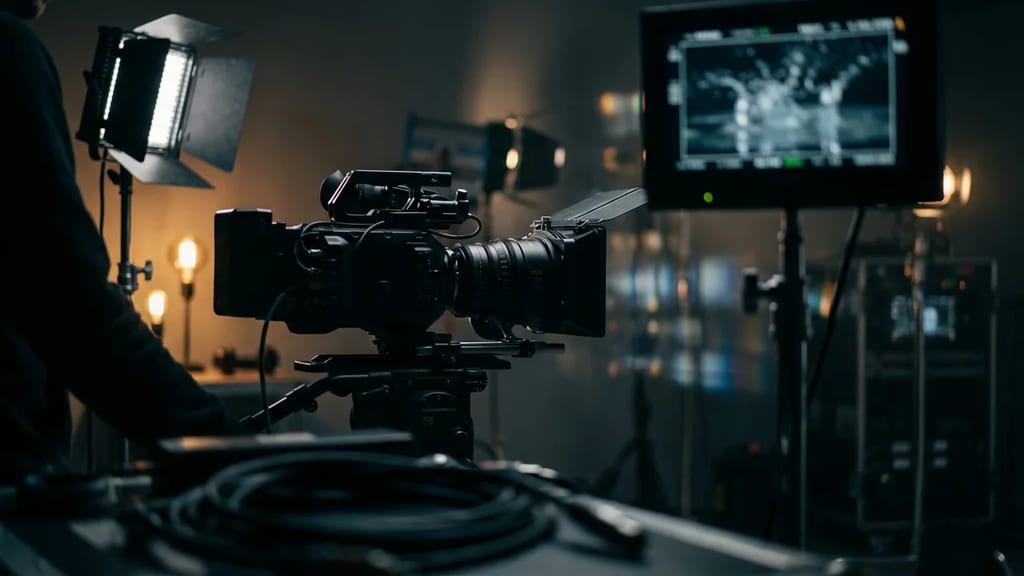
Professional high-speed cameras like the Phantom TMX 7510 achieve up to 1.75 million fps at 1280x800 pixels, and the Vision Research Phantom v2640 manages 26,436 fps in 4K resolution. Consumer cameras typically offer 120-960 fps. The extreme frame rate requires intense lighting, as the exposure time per frame is correspondingly reduced – at 1000 fps, it is a maximum of 1/1000 second. High-speed cameras use special RAM memory instead of continuous recording, which limits recording duration to a few seconds.

History & Development

The first high-speed recordings were made in 1878 by Eadweard Muybridge's horse gait studies using mechanical shutters. Harold Edgerton developed the first electronic stroboscope camera in 1940 for ballistic investigations. Photron launched the first digital high-speed camera on the market in 1996. Starting in 2000, Vision Research established the standard for film and television productions with the Phantom series. Since 2010, smartphone manufacturers have also integrated high-speed modes with 240-960 fps.

Practical Use in Film

High-speed recordings visualize fast movements or processes: explosions in "Mad Max: Fury Road" (2015), water droplets in commercials, fight sequences in "300" (2006). The recordings are usually shot in special units, as the workflow differs significantly from standard shooting. Advantages: spectacular visual effects, analysis of complex movements. Disadvantages: extreme lighting requirements (often 10-100x more than normal), limited recording duration, complex data processing due to massive file sizes.

Comparison & Alternatives

High-speed differs from standard overcranking (48-96 fps) through the exponentially higher technical effort. Time-slice recordings (bullet time effect) use multiple synchronized cameras instead of high frame rates. Modern alternatives include AI-based frame interpolation in post-production, which generates slow-motion from normal footage – however, with lower quality than true high-speed recordings. For simple slow-motion, standard cameras with 60-120 fps are sufficient; true high-speed technology is only used for scientific or extreme creative applications.
From the crafts

Perspectives

Cinematographer

Ich brauche für High-Speed-Aufnahmen mindestens das Zehnfache der normalen Lichtmenge, weshalb ich oft auf HMI-Scheinwerfer oder LED-Panels mit 20.000+ Lux setze. Die Schärfentiefe wird durch die kurzen Belichtungszeiten extrem groß, was meine gewohnte Bildgestaltung mit selektiver Schärfe zunichte macht. Ich muss den Bildausschnitt präziser wählen, da ich nur wenige Sekunden Material aufnehmen kann.

Director

High-Speed-Aufnahmen setze ich gezielt als emotionales Stilmittel ein – ein fallender Regentropfen kann Melancholie verstärken, explodierende Objekte wirken dramatischer. Ich plane diese Shots separat, da sie einen eigenen Mini-Dreh erfordern und nicht spontan entstehen können. Die Zeitlupe verändert die Wahrnehmung der Handlung fundamental und kann banale Aktionen zu poetischen Momenten transformieren.

Producer

High-Speed-Drehs kosten mich etwa das Dreifache eines normalen Drehtags durch Spezialequipment-Miete (2000-5000€/Tag), zusätzliche Beleuchtung und verlängerte Setup-Zeiten. Ich kalkuliere separate Post-Production-Kosten für die Datenverarbeitung ein, da eine Sekunde 4K-Material bei 1000fps etwa 12GB erzeugt. Diese Shots plane ich früh, da die Kamera-Verfügbarkeit begrenzt ist.

More in the lexikon

Related terms

Test your knowledge

Quiz

1. Was beschreibt „Hochgeschwindigkeit" am besten?

2. Zu welchem Department gehört „Hochgeschwindigkeit"?

3. Wie viele verschiedene Fachperspektiven bietet dieser Eintrag?

Report an error
From the Filmfarm ecosystem

Understand visual language, budget productions, connect crew.

The Lexikon is part of the Filmfarm ecosystem — alongside budgeting (FilmBalance), an industry magazine (FilmCircus) and crew networking (FilmCall, CrewMesh). One shared vocabulary for the whole production.

FilmFarm FilmRadarComing soonFilmPulseComing soonFilmNumbersComing soonFilmCapitalComing soonFilmLabComing soonFilmBalanceComing soonFilmCircusComing soon