Filmlexikon.
Support
Flat Character
Theory · Terms

Flat Character

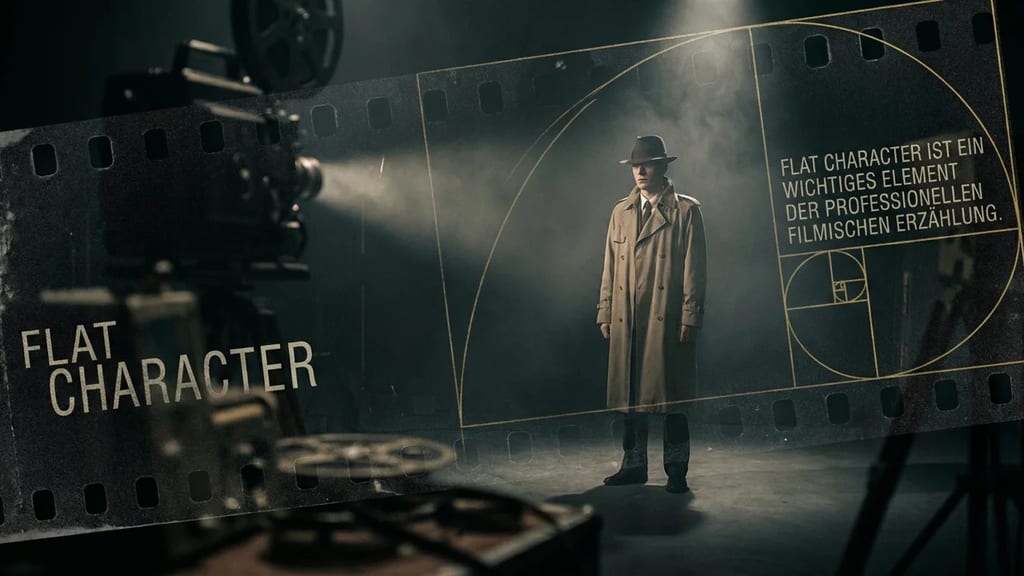
Murnau AI illustration
flat 2 round character character flaw static character

Character with minimal psychological depth, typically defined by one or two traits. Used for plot advancement, comic relief, or thematic reinforcement.

Technical Details

Flat characters operate on a maximum of two personality levels and exhibit no psychological complexity. They typically appear in 15-25% of a film's scenes and receive an average of 8-12 lines of dialogue per appearance. Classic types include the loyal sidekick, the corrupt official, the wise mentor, or the worried mother. Their function is limited to plot advancement, comic relief, or thematic reinforcement of the main plot.

History & Development

Forster's literary theoretical concept found its way into film theory from the 1930s onwards through screenwriters like Syd Field and Robert McKee. In the classic Hollywood era (1930-1960), standardized flat character types were established through the studio system. The French New Wave (1958-1968) experimented with dissolving these categories, while modern blockbusters since the 1980s have increasingly relied on proven flat archetypes.

Practical Application in Film

In "Casablanca" (1942), Carl functions as a flat character of the loyal waiter without an arc of development. Marvel films systematically use flat supporting characters like Happy Hogan or Darcy Lewis for continuous recognizability across multiple productions. Comedies specifically employ flat characters for running gags – such as the overzealous secretary or the incompetent police officer. These characters reduce exposition and allow the audience immediate orientation without elaborate character introductions.

Comparison & Alternatives

The round character exhibits multiple personality facets and undergoes transformation processes, while the flat character reacts predictably. Dynamic characters change throughout the narrative, static characters remain constant – whereby flat characters are static by definition. In TV seriality, flat characters can be developed into round characters over several episodes without losing their original function.
From the crafts

Perspectives

Cinematographer

Flache Figuren erleichtern mir die visuelle Charakterisierung durch wiederkehrende Bildsprache - der Bösewicht bekommt konsequent Low-Angle-Shots, der Comic Relief weiche Ausleuchtung. Ich muss keine subtilen Persönlichkeitsnuancen durch Licht und Komposition transportieren, sondern kann mit eindeutigen visuellen Codes arbeiten, die das Publikum sofort dekodiert.

Director

Ich nutze flache Figuren als dramaturgische Werkzeuge, um komplexe Hauptfiguren zu kontrastieren und deren Entwicklung zu verdeutlichen. Sie funktionieren wie Spiegel oder Katalysatoren für meine Protagonisten, ohne selbst Aufmerksamkeit von der zentralen Geschichte abzuziehen. In Ensemblefilmen setze ich bewusst 60% flache gegen 40% runde Figuren, um narrative Klarheit zu gewährleisten.

Producer

Flache Figuren bedeuten kalkulierbare Casting-Kosten, da ich keine A-List-Darsteller für eindimensionale Rollen benötige. Charakterdarsteller akzeptieren oft geringere Gagen für prägnante Nebenrollen mit Wiedererkennungswert. Die reduzierte Dialogmenge und fehlende Entwicklungsbögen verkürzen Drehzeiten und vereinfachen Continuity-Management erheblich.

More in the lexikon

Related terms

Test your knowledge

Quiz

1. Zu welchem Department gehört „Flache Figur"?

2. Wie viele verschiedene Fachperspektiven bietet dieser Eintrag?

Report an error
From the Filmfarm ecosystem

Understand visual language, budget productions, connect crew.

The Lexikon is part of the Filmfarm ecosystem — alongside budgeting (FilmBalance), an industry magazine (FilmCircus) and crew networking (FilmCall, CrewMesh). One shared vocabulary for the whole production.

FilmFarm FilmRadarComing soonFilmPulseComing soonFilmNumbersComing soonFilmCapitalComing soonFilmLabComing soonFilmBalanceComing soonFilmCircusComing soon