Filmlexikon.
Support
Dutch Angle / Canted Angle / Dutch Tilt
Camera · Terms

Dutch Angle / Canted Angle / Dutch Tilt

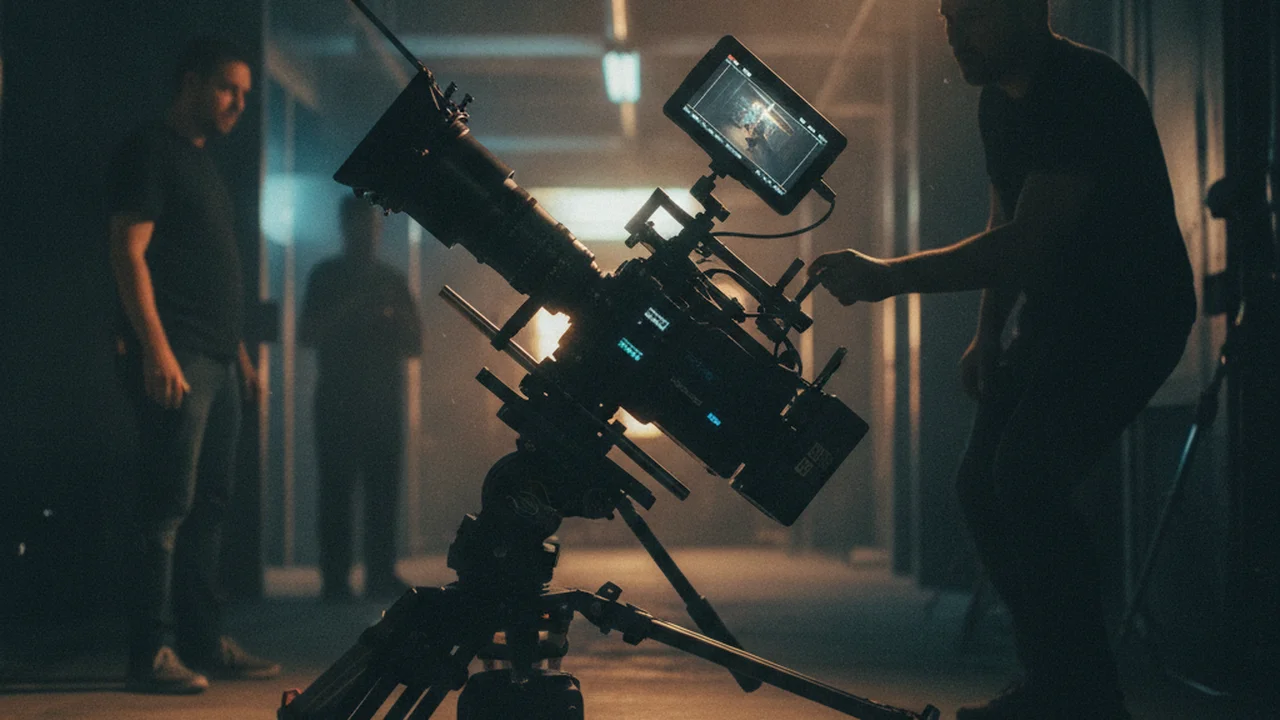
Murnau AI illustration
camera angle low angle push in

A camera angle where the horizon line is tilted to one side, creating a sense of unease, instability, or disorientation through composition rather than movement.

In film history

Famous examples · Dutch Angle / Canted Angle / Dutch Tilt

Curated examples across cinema history that illustrate the term — from compositional principle to deliberate refusal.
01 / TILTED WORLD, TILTED MORALITY

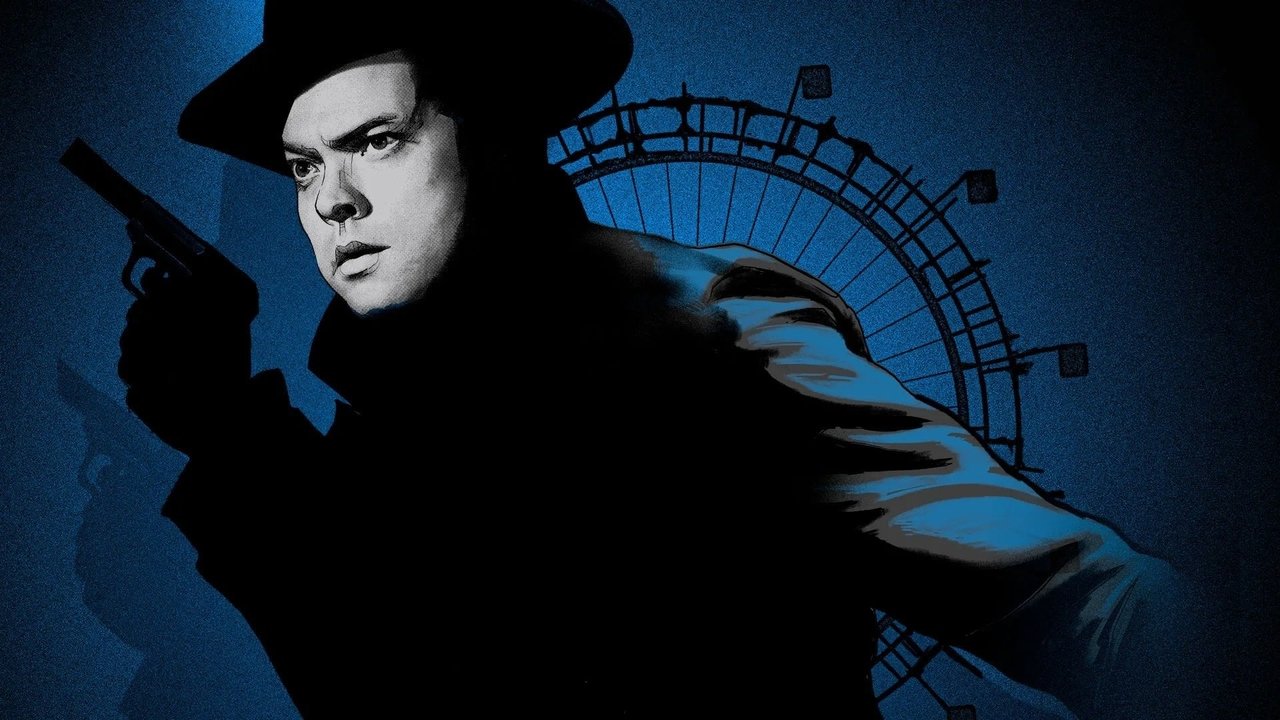
The Third Man

Carol Reed · 1949 · Robert Krasker

Robert Krasker systematically employs canted angles to visualize morally fractured postwar Vienna – every tilt mirrors the protagonist's inner disorientation and the corruption surrounding him.

The Third Man · sample frame
02 / CAMP AS CAMERA LANGUAGE

Batman

Leslie H. Martinson · 1966 · Howard Schwartz

The TV series and its theatrical spin-off turned the Dutch Angle into a pop-cultural shorthand for villain scenes – the deliberately exaggerated tilt became a visual code for madness and menace.

Batman · sample frame
03 / INSTABILITY AS ATMOSPHERE

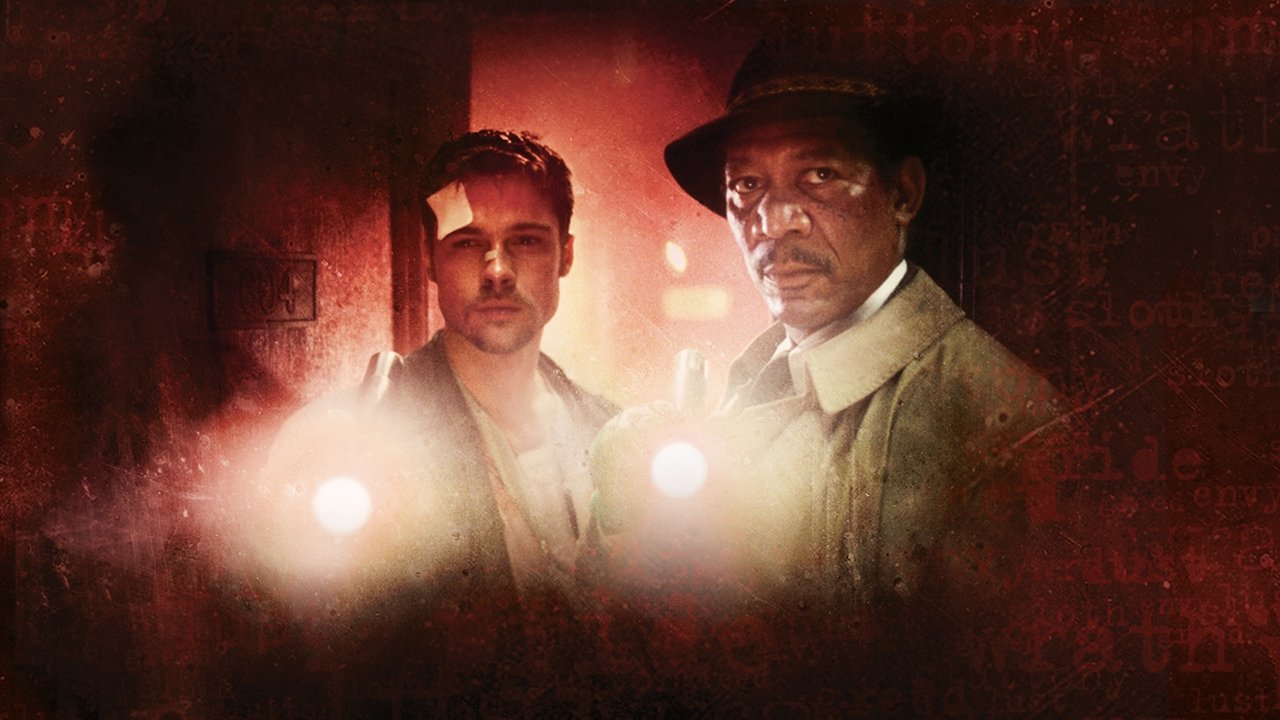
Se7en

David Fincher · 1995 · Darius Khondji

Darius Khondji deploys the Dutch Angle alongside desaturated colors and extreme shadows to construct a world literally off its axis – the tilt becomes the visual equivalent of a moral abyss.

Se7en · sample frame
04 / TILTED REALITY, TILTED PHYSICS

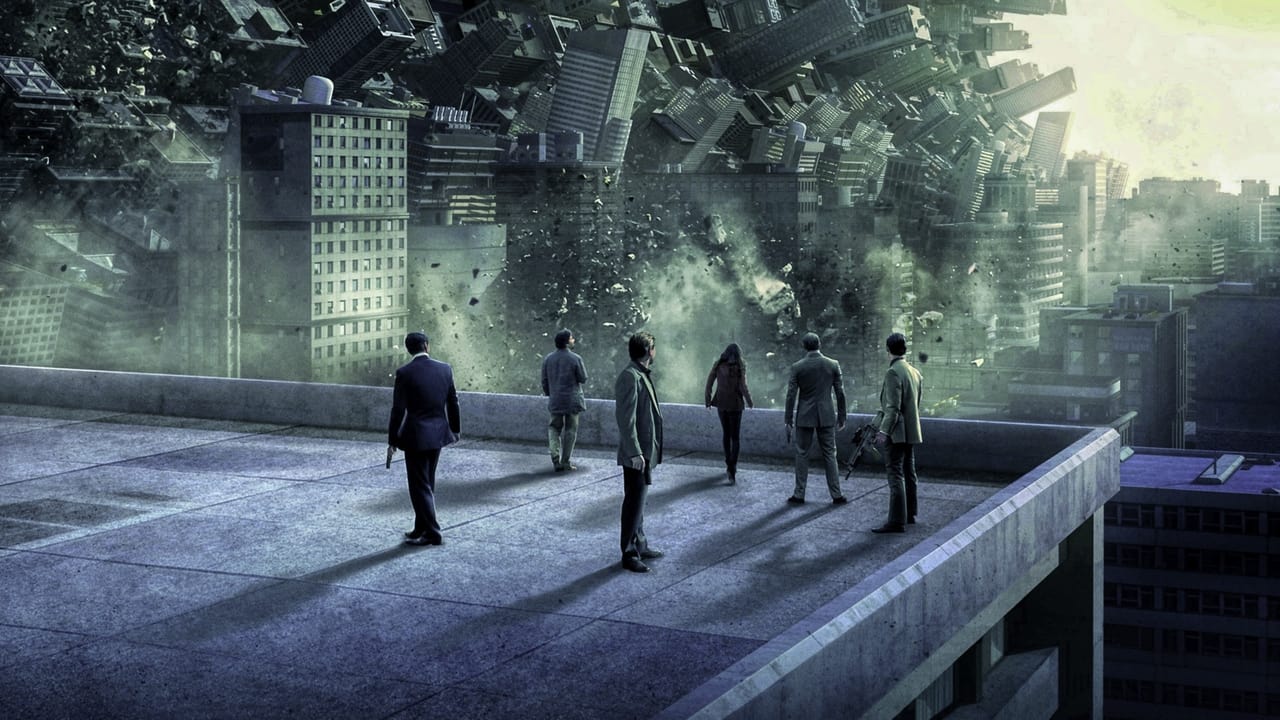
Inception

Christopher Nolan · 2010 · Wally Pfister

Wally Pfister deploys the Dutch Angle deliberately within dream levels to spatially disorient the viewer and make the instability of constructed reality palpable – the tilt becomes a narrative signal for transitions between layers of consciousness.

Inception · sample frame

Film stills sourced via the TMDB API. This product uses the TMDB API but is not endorsed or certified by TMDB. themoviedb.org ›

Definition

The Dutch Angle (also: Dutch Tilt, Canted Angle, German: Schräge Einstellung) is a camera shot where the camera is tilted along its longitudinal axis, causing the horizon to appear slanted.

Effect

  • Disorientation
  • Unease, tension
  • Psychological instability
  • Dream sequences

See also

From the crafts

Perspectives

Cinematographer

Der Dutch Angle ist statische Komposition-Technik, keine Bewegung. Ich kipple die Kamera durch Rotation am Kopf um typischerweise 15-45 Grad. Ein Gradient-Tool am Stativkopf hilft, den Winkel zu präzisieren. Zu groß (über 45 Grad) wirkt künstlich oder affektiert. Ich messe Horizont-Neigung mit dem Videomonitor oder kalibriertem Inclinometer. Bei Steadicam oder Gimbal benötige ich Remote-Roll-Control. Der psychologische Effekt funktioniert besser bei breiten Brennweiten (24-35mm), da diese stärkere perspektivische Verzerrung erzeugen.

Director

Der Dutch Angle ist mein subtiles psychologisches Werkzeug. Ein 20-Grad-Kipp zeigt innere Instabilität eines Charakters ohne explizite Aussage. Ein 45-Grad-Winkel wirkt bedrohlich oder traumatisch. In "The Third Man" (1949) nutzte Carol Reed systematische Dutch Angles zur Visualisierung moraler Ambiguität. Ich wechsle zwischen normalen und Dutch-Angle-Shots, um psychologische Zustände zu markieren - ein Charakter in Dutch Angle wirkt unzuverlässig oder destabilisiert. Zu häufige Nutzung wirkt aber affektiert - Dosierung ist kritisch.

Editor

Dutch Angles bieten im Schnitt psychologische Ankerpunkte. Ein Wechsel von normalem zu Dutch Angle signalisiert mentalen Zustandswechsel ohne Dialog. Ich nutze Dutch Angles oft in Schnitt-Sequenzen, um psychologischen Stress zu zeigen. Schnell zwischen Normal und Dutch wechseln erzeugt Verwirrung. Color-Correction muss bei Dutch Angles vorsichtig sein - aggressive Grading kann künstlich wirken. Der gekippte Horizont bekommt optische Priorität, daher muss ich Farbwerte entsprechend balancieren.

Producer

Dutch Angles sind praktisch kostenfrei - nur Kamerapositionierung, kein Equipment-Aufbau nötig. Aber über-Nutzung wirkt affektiert, also muss ich die kreative Absicht des Directors unterstützen ohne Overkill. Eine ganze Szene in Dutch Angle wirkt monoman - ich plane selektive Nutzung für psychologische High-Points. Setup erfordert nur Rotations-Kopf am Stativ (Standard-Equipment). Kein zusätzliches Budget oder Zeit-Aufwand erforderlich.

More in the lexikon

Related terms

Test your knowledge

Quiz

1. Zu welchem Department gehört „Gekippte Kamera / Schräge Einstellung"?

2. Wie viele verschiedene Fachperspektiven bietet dieser Eintrag?

Report an error
From the Filmfarm ecosystem

Understand visual language, budget productions, connect crew.

The Lexikon is part of the Filmfarm ecosystem — alongside budgeting (FilmBalance), an industry magazine (FilmCircus) and crew networking (FilmCall, CrewMesh). One shared vocabulary for the whole production.

FilmFarm FilmRadarComing soonFilmPulseComing soonFilmNumbersComing soonFilmCapitalComing soonFilmLabComing soonFilmBalanceComing soonFilmCircusComing soon