Cinematographer
From a DoP's perspective, this element is essential for the visual design. It allows me to consistently implement the desired color mood and aesthetic image.
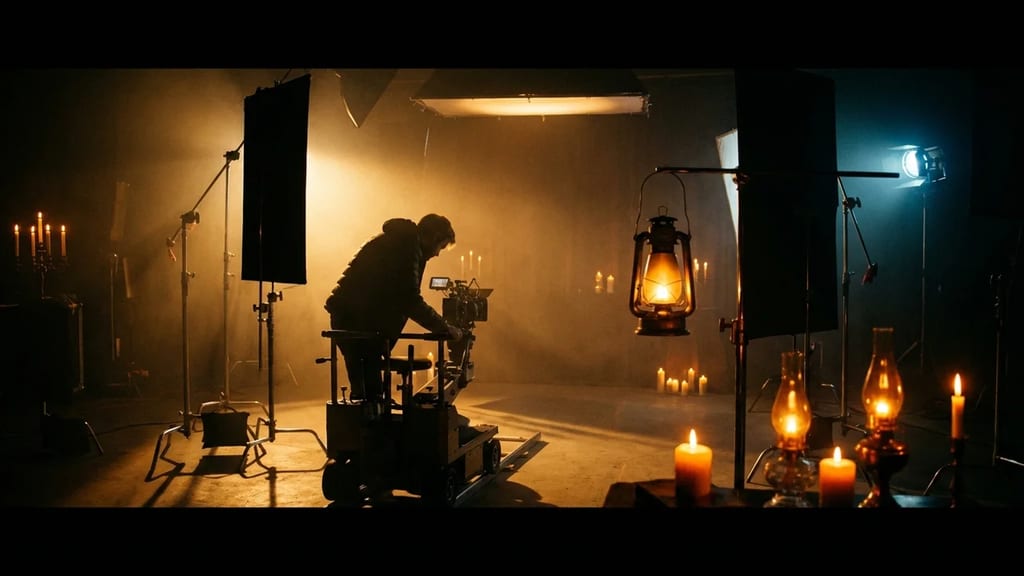
1800K is an extremely warm color temperature at the lower end of the Kelvin scale, typical of candlelight, firelight, and deep twilight.
Kubrick and Alcott shot interior scenes exclusively with real candlelight and specially modified NASA lenses — the result is a consistent 1800K aesthetic that painterly reconstructs the 18th century.
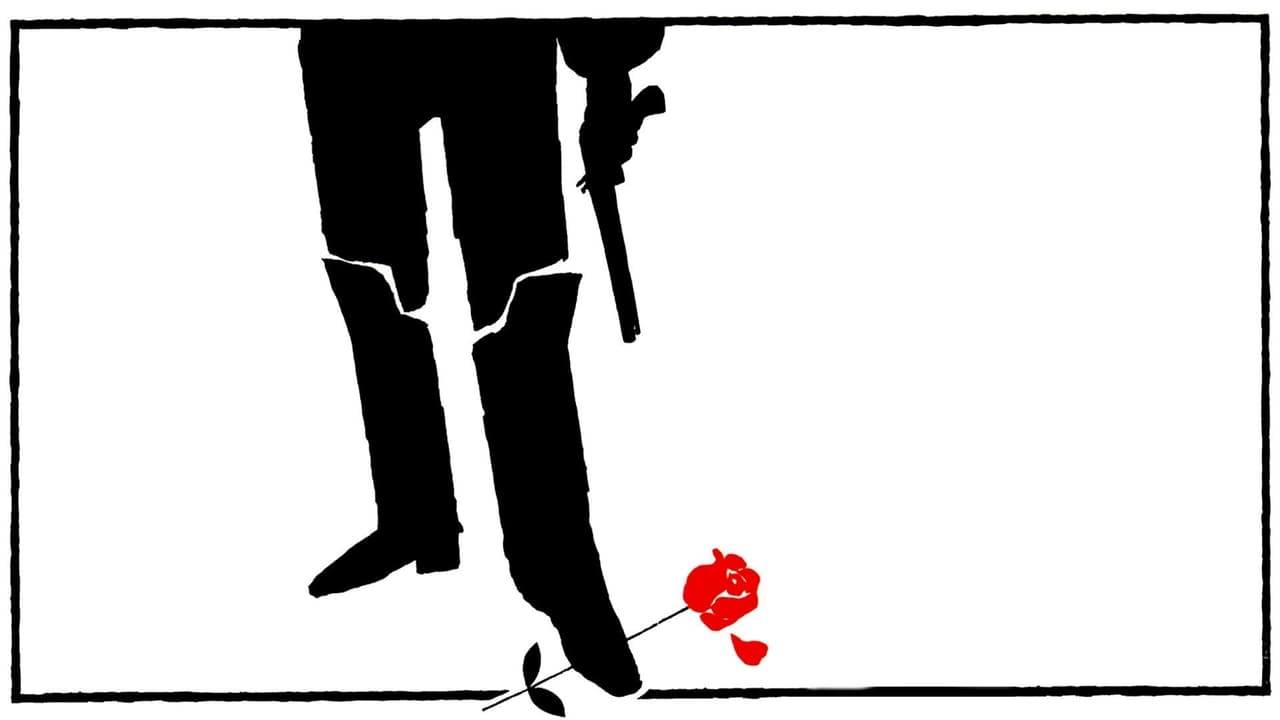
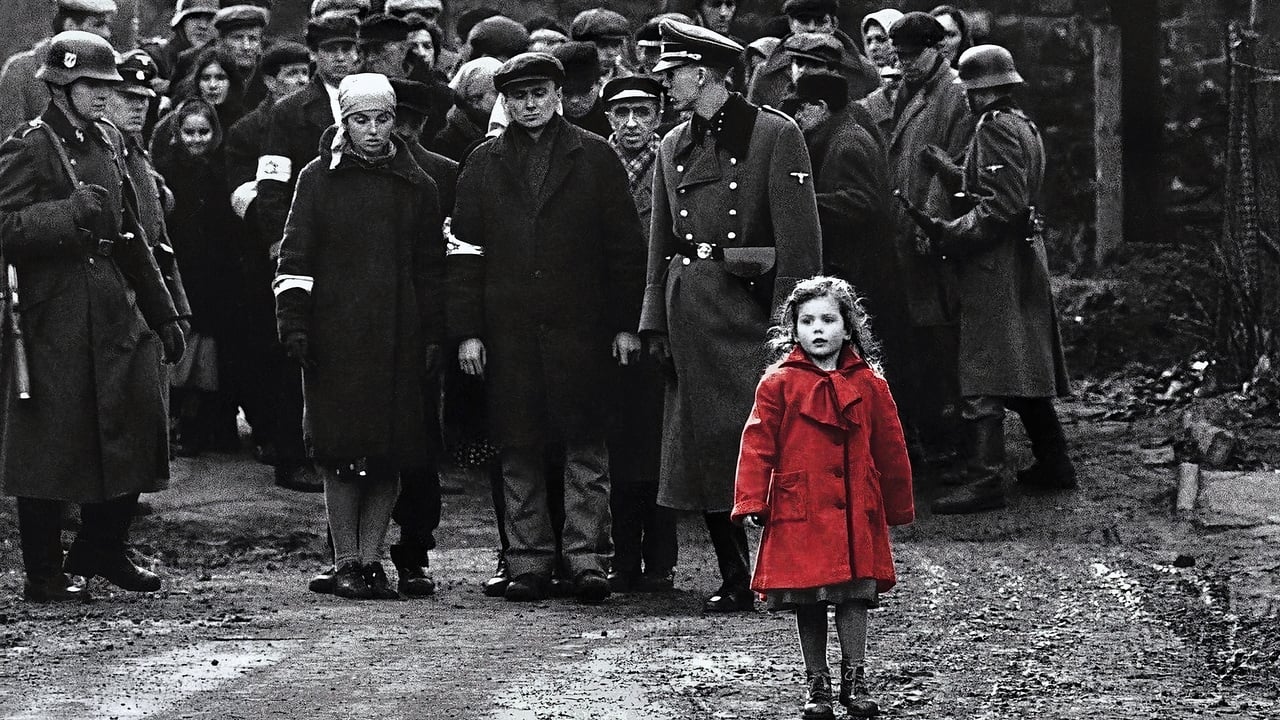
Kamiński uses candlelight in the Sabbath sequence as the only color accents in the otherwise monochrome film — the 1800K warmth of the flames contrasts dramatically with the grey of war.
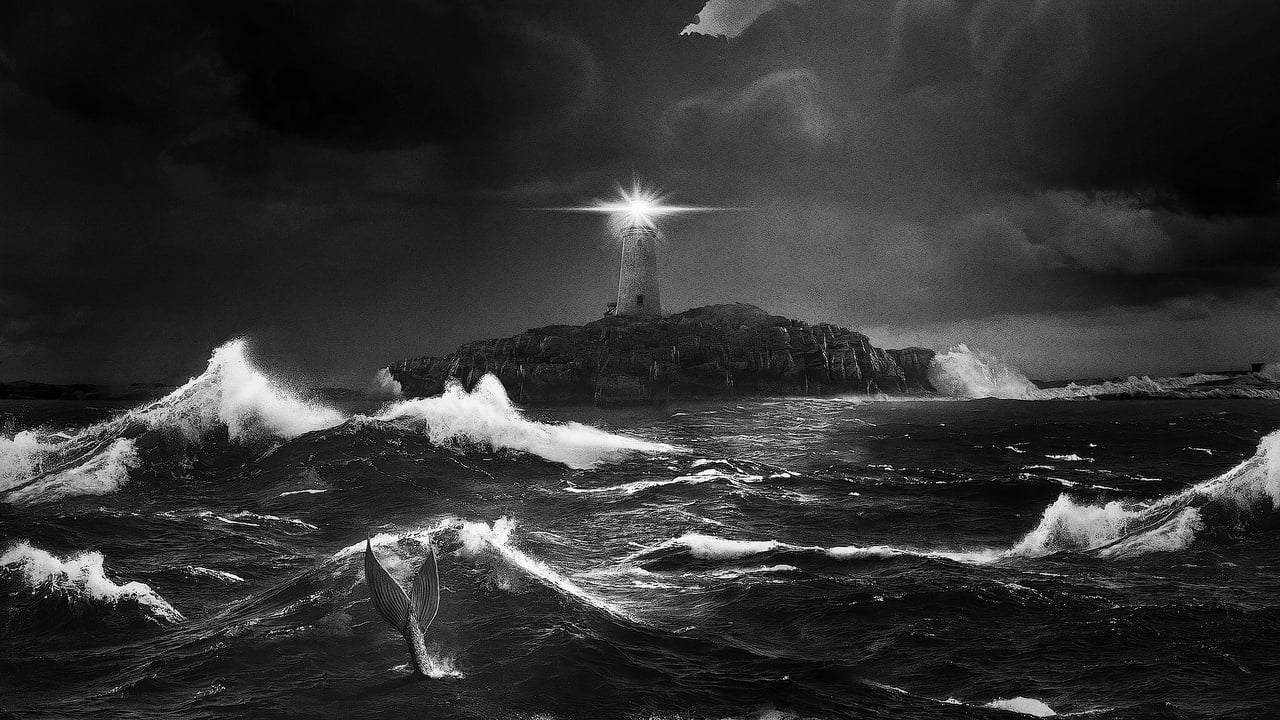
Blaschke worked consistently with natural light and real candles to create the claustrophobic atmosphere of the 17th century — the flickering 1800K light intensifies the menace of every interior scene.

Blaschke's extremely high-contrast lighting with kerosene lamps and open fire consistently keeps the color temperature in the 1800K range, lending the film its hallucinatory, timeless quality.
Film stills sourced via the TMDB API. This product uses the TMDB API but is not endorsed or certified by TMDB. themoviedb.org ›
"1800K" is not a device or a manufacturer, but an indication of the color temperature in Kelvin (K). It describes the light color of a light source based on the radiation of a theoretical black body: the lower the Kelvin value, the warmer (redder/more amber) the light appears. 1800K is at the extreme warm end of the scale commonly used in film lighting and represents an intensely amber-orange, "flame-like" light.
In everyday set work, 1800K serves as a reference for lighting moods such as candlelight, firelight, and fireplace glow, match light, or lantern light, as well as for the deep, rich warmth shortly after sunset. This value is significantly below the classic artificial light reference Tungsten (3200K) and the daylight reference (5600K).
| Color Temperature | Typical Light Source / Mood |
|---|---|
| approx. 1800K | Candlelight, fire/fireplace glow, deep twilight |
| 2700K | warm white incandescent lamp; lower limit of many bi-color LED lights |
| 3200K | Tungsten / artificial light standard |
| 5600K | Daylight standard (HMI, daylight LED) |
1800K is therefore below the range that many bi-color LED panels natively cover (often starting from 2700K). Very warm values down to 1800K are typically achieved by full RGBWW or color-mixing lights, or by using correction gels (CTO).
1800K is used intentionally to create warm, intimate, or nostalgic visual moods, for example, in interiors with practical light sources, in night scenes with street or lantern light, or to simulate firelight.
Consistency with the camera's white balance and other light sources in the frame is important: a 1800K source will appear significantly orange compared to a camera balanced to 3200K or 5600K, which can be deliberately used as a creative tool or to separate image planes.
From a DoP's perspective, this element is essential for the visual design. It allows me to consistently implement the desired color mood and aesthetic image.
This professional solution increases production efficiency and reduces post-production requirements. It allows for flexible, rapid adjustments during the shoot.
As a gaffer, this is an indispensable tool in my daily kit. It allows me professional light control and quick adjustments on set, which saves time and ensures quality.
1. Zu welchem Department gehört „1800K (Kerzenlicht)"?
2. Wie viele verschiedene Fachperspektiven bietet dieser Eintrag?
The Lexikon is part of the Filmfarm ecosystem — alongside budgeting (FilmBalance), an industry magazine (FilmCircus) and crew networking (FilmCall, CrewMesh). One shared vocabulary for the whole production.