
Flagship 8K full-frame cinema sensor with 17 stops of dynamic range, 3.65 µm pixel pitch and up to 75 fps at 8K resolution for VFX-intensive blockbuster production.
Famous examples · RED Monstro
The Suicide Squad
James Gunn and DOP Henry Braham used the RED Monstro to capture the film's hyper-saturated comic-book palette and extreme contrasts between jungle shadows and explosion highlights within the sensor's 17-stop dynamic range. The 8K resolution allowed aggressive digital zooms and reframes in post-production without quality loss.

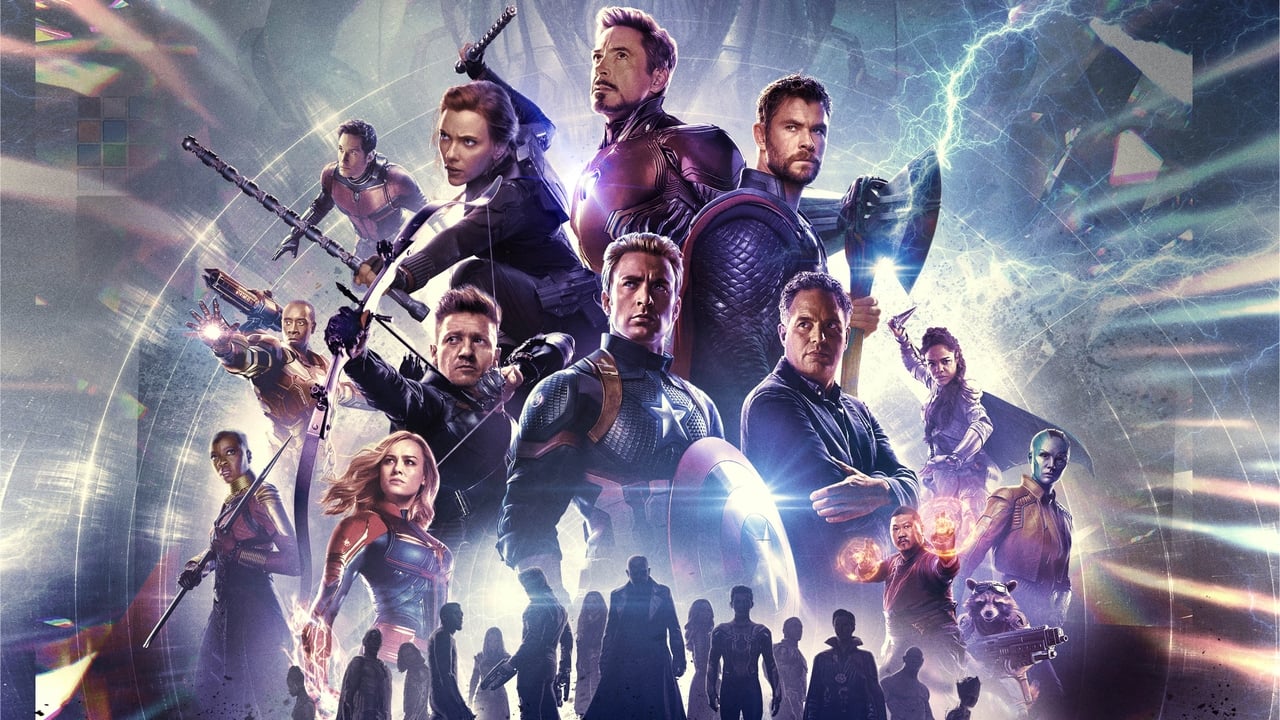
Avengers: Endgame
Trent Opaloch deployed RED Monstro cameras for the climactic battle sequences, with the 8K footage giving ILM and Weta Digital maximum latitude for integrating thousands of digital characters. The sensor's wide dynamic range preserved detail in HDR theatrical presentations.
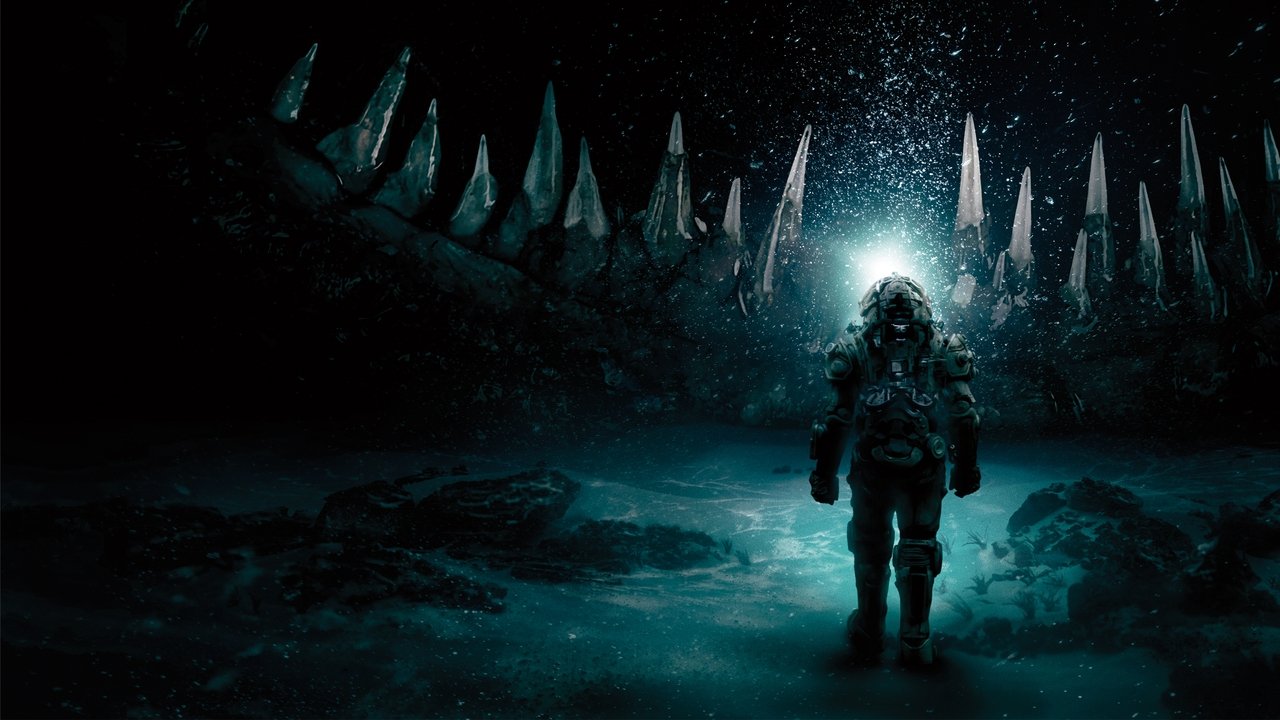
Underwater
Bojan Bazelli relied on the RED Monstro in the extremely low-light underwater sets, where the 17-stop dynamic range was critical to simultaneously retain deep-sea shadows and bright bioluminescent practical effects. The 3.65 µm pixel pitch delivered low-noise imagery even in the darkest shots.
Jungle Cruise
Flavio Labiano chose the RED Monstro for its ability to seamlessly blend the warm, analog period aesthetic of 1910s cinematography with extensive digital jungle and creature VFX. The high resolution and wide dynamic range allowed VFX supervisors to integrate digital elements into the organic footage without compromising on detail.

Film stills sourced via the TMDB API. This product uses the TMDB API but is not endorsed or certified by TMDB. themoviedb.org ›
History & Development
RED introduced the Monstro sensor in 2017 at NAB, initially integrating it into WEAPON camera bodies. Starting in 2018, it was integrated into the DSMC2 product line, and later into the RANGER and V-RAPTOR systems. The development took three years and cost RED around $50 million. In 2019, the sensor received a firmware update that improved mid-tone color reproduction by 15%.
Practical Use in Film
James Gunn used the RED Monstro for "The Suicide Squad" (2021) to capture maximum detail resolution in practical explosion scenes. Zack Snyder's "Army of the Dead" (2021) utilized the 8K resolution for extreme digital zooms in post-production. The sensor is particularly suitable for VFX-heavy productions, as the high resolution allows for more precise keying and compositing. Typical workflows use 8:1 to 12:1 REDCODE compression for optimal storage efficiency.
Comparison & Alternatives
Compared to the ALEXA LF (4.5K), the Monstro offers double the resolution but a lower dynamic range (17 vs. 14.5+ stops). The Sony VENICE achieves similar 6K quality but cannot compete with the 8K resolution. RED's successor, the V-RAPTOR 8K VV (2021), uses advanced sensor technology with improved shadow detail. For pure cinema productions without a VFX focus, 4K systems often remain the more practical choice due to lower data volumes.
Technical Specifications
Sensor & Resolution
| Parameter | Value |
|---|---|
| Sensor Type | Back-Side Illuminated (BSI) CMOS |
| Resolution | 8,192 x 4,320 pixels (8K DCI 1:1.9) |
| Sensor Size | 35.4 Megapixels |
| Sensor Dimensions | 40.96 x 21.60 mm diagonal 46.31 mm |
| Pixel Size | 3.65 µm (fully populated) |
| Format | Full-Frame or Super35 Crop Mode |
Dynamic Range & ISO
Dynamic Range: 17 stops
Native ISO: 800 ASA
Extended Sensitivity: 50 – 25,600 ASA
Noise Performance: 3.65 µm pixel pitch enables low-noise acquisition even at higher ISOs
Recording Formats & Frame Rates
| Resolution | Maximum Frame Rate | Sensor Mode |
|---|---|---|
| 8K (8,192 x 4,320) | 60 fps | Full-Frame or S35 |
| 6K (6,144 x 3,240) | 75 fps | S35 Crop or FF Windowing |
| 4K (4,096 x 2,160) | 150 fps | Various Aspect Ratios |
| 2K (2,048 x 1,080) | 300 fps | For High-Speed Effects |
| Anamorphic Modes | up to 75 fps (8K) | 2:1 Anamorphic Support |
REDCODE RAW Compression
Available Compression Ratios: 2:1, 3:1, 5:1, 8:1, 12:1, 16:1, 22:1
Storage Requirements (8K, 24fps):
- 2:1: ~2.4 TB/hour
- 8:1: ~600 GB/hour
- 12:1: ~400 GB/hour
- 16:1: ~300 GB/hour
Alternative Codecs: ProRes, DNxHR (optional)
Recording Media: RED MINI-MAG (CFast 2.0), RED STATION (Enterprise SSD)
Optics & Mount Options
Lens Mount: PL or Canon EF (camera specific)
Lens Support: Spherical and Anamorphic fully supported
Crop Modes:
- Full-Frame (8K native)
- Super35 (reduced field of view, higher frame rates possible)
Motorized Focus: RF connectors for motorized EF lenses
Body & Integration
Body Options: WEAPON, DSMC2, RANGER, V-RAPTOR Mount
Weight (Brain without lens): ~1.5-2.0 kg (camera specific)
Dimensions: Camera body dependent
Material: Carbon Fiber or Composite options available
Rolling Shutter & Timing
Rolling Shutter: ~19.2 ms at 24 fps (Full-Frame)
Shutter Angle: 360° electronically adjustable
Timecode: Robust at high frame rates
Genlock/Sync: External synchronization possible
Power & Media
Battery Options: Gold Mount or V-Mount (camera specific)
Power Consumption: 60-90 Watts continuous operation
External Power: 12-24V DC 4-Pin XLR
Storage Eco: RED MINI-MAG (512 GB – 1 TB)
Monitoring & Output
Video Outputs: 3G-SDI, HDMI (4:2:0 for monitoring)
Timecode Output: BNC, Genlock In (tri-level sync)
Color Space: REDWideGamutRGB, REDLog3G10 Encoding
Metadata: Automatic tag recording (frame rate, resolution, ISO, aperture, etc.)
Color Science & Workflow
Color Pipeline: REDCine-X Pro (native R3D editing)
IPP2 Support: Advanced color science and noise reduction
LUT Export: 3D LUT for external color grading tools
Conversion: REDCODE to ProRes or DNxHR possible