
A shot that shows exactly what a character sees – the camera assumes the character's point of view.
Famous examples · Point of View Shot
Peeping Tom
Powell radicalizes the POV shot by making the camera literally the killer's weapon – the viewer is turned into an unwilling accomplice through the relentless subjective perspective.

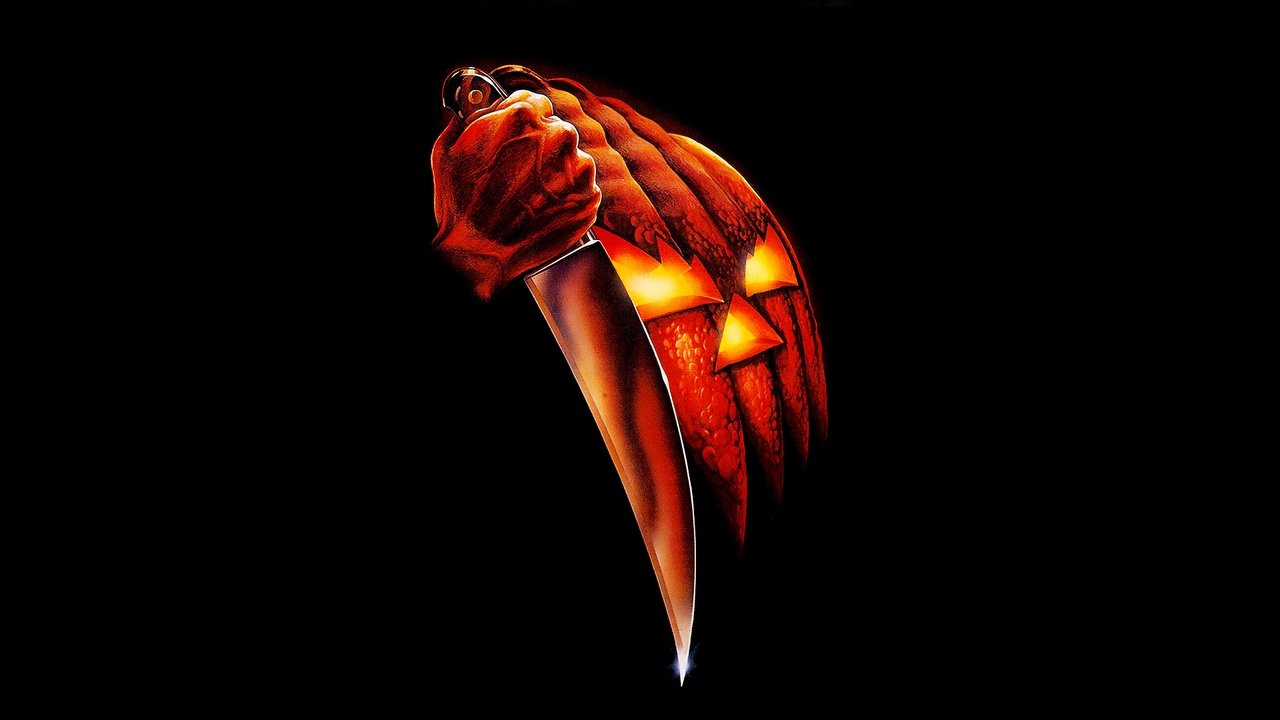
Halloween
The famous opening sequence from the masked killer's perspective established the POV shot as a horror convention, generating maximum menace by anonymizing the perpetrator.
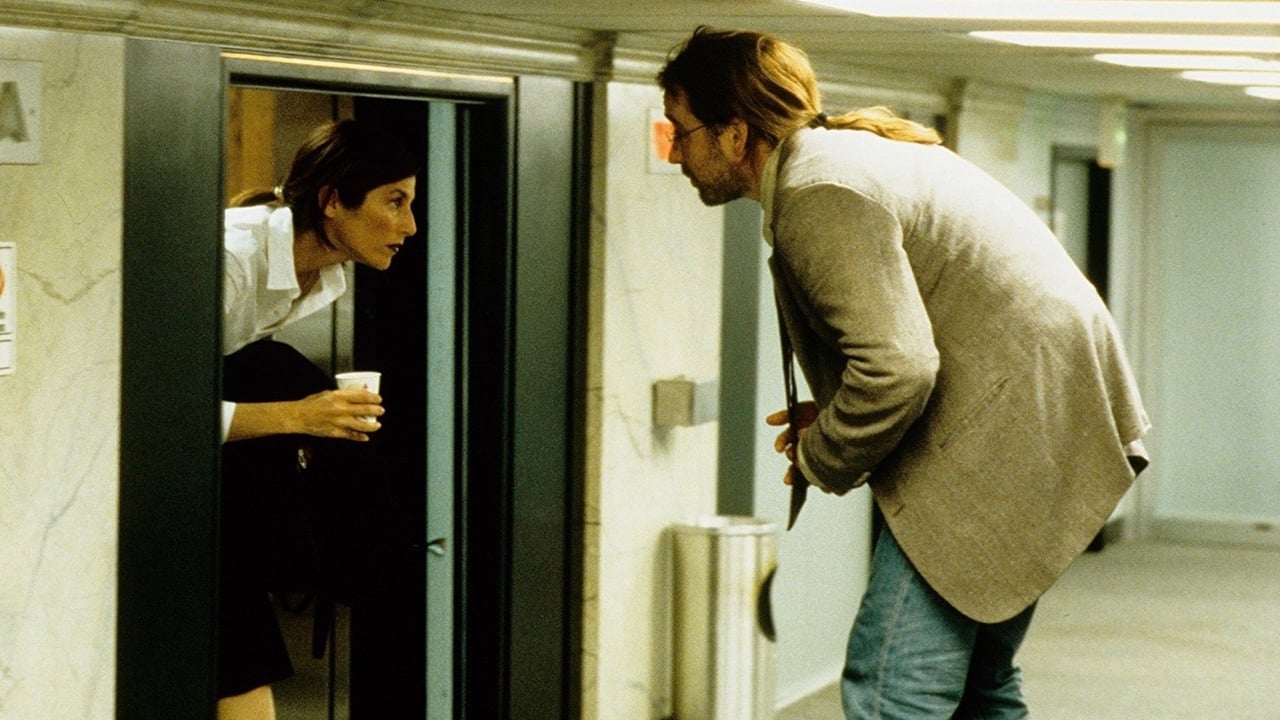
Being John Malkovich
Jonze uses the POV shot conceptually and philosophically – inhabiting another person's gaze becomes a metaphor for identity loss and voyeuristic desire.
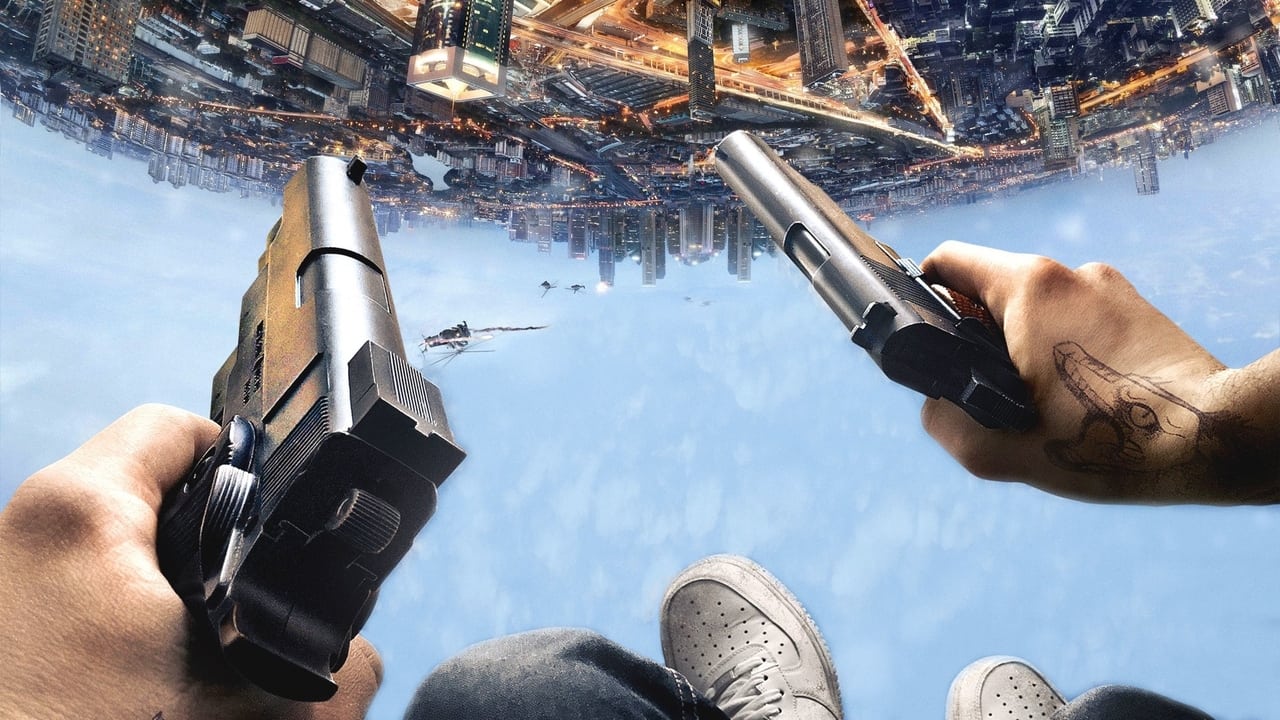
Hardcore Henry
Naishuller directs the first action feature shot entirely in first-person perspective, pushing the POV principle to its logical extreme by simulating the protagonist's visual experience throughout.
Film stills sourced via the TMDB API. This product uses the TMDB API but is not endorsed or certified by TMDB. themoviedb.org ›
Definition
The Point of View Shot (POV) shows events from the exact perspective of a film character, simulating their visual perception. The camera takes on the position of the character's eyes, reproducing their gaze, eye level, and movements. The term became established in the 1920s alongside the development of continuity editing.
Technical Details
Standard POV shots are filmed at the eye level of the depicted character – typically between 1.60m and 1.85m camera height for adult characters. Child POVs require heights of 0.80m to 1.40m depending on age. The camera axis follows natural head movement with a maximum of 180° horizontal and 90° vertical movement. Three main variants exist: the Fixed POV, the Moving POV with handheld or Steadicam operation, and the Distorted POV with wide-angle lenses from 14mm for abnormal states of consciousness.
History & Development
F.W. Murnau established the subjective camera as a dramatic device in 1924 in "The Last Laugh" with a camera attached to Emil Jannings' chest. Abel Gance experimented with subjective shots through mobile camera work in "Napoléon" in 1927. John Carpenter perfected the killer POV in "Halloween" in 1978 with 2.5-minute Steadicam sequences. The digital era, starting in 2000, enabled more complex POV shots through lighter camera systems and digital post-production image stabilization.
Practical Use in Film
Brian De Palma uses 47 POV shots in "Blow Out" (1981) to characterize the protagonist. "The Blair Witch Project" (1999) is entirely based on subjective shots using a camcorder aesthetic. The workflow requires precise continuity between the character's establishing shot, the POV shot, and the reaction shot. Advantages: direct emotional identification, cost-effective intimacy. Disadvantages: limited image composition, increased effort for matching shots.
Comparison & Alternatives
The POV shot differs from an over-the-shoulder shot by completely eliminating the reference character from the frame. Semi-subjective shots (Dirty POV) show parts of the character's body at the edge of the frame. Modern action cameras enable micro-POVs with 4K resolution at 12g weight. Virtual reality expands POV concepts with 360° perspectives, while classic subjective shots in a 16:9 format with a 50° field of view correspond to human perception.