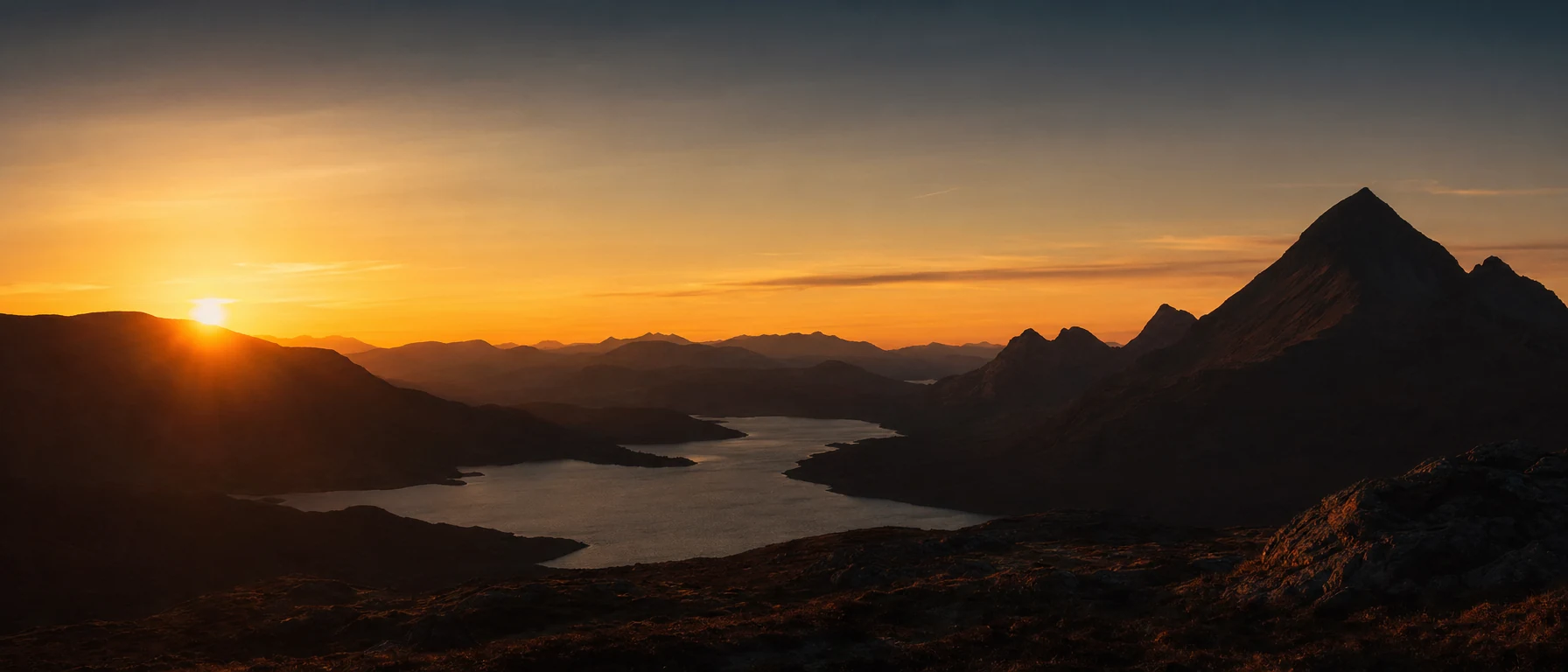
Magic Hour: 30-minute window after sunrise or before sunset with warm, soft light and 3–4 stops of contrast range; ideal for natural cinematography.
Famous examples · Magic Hour
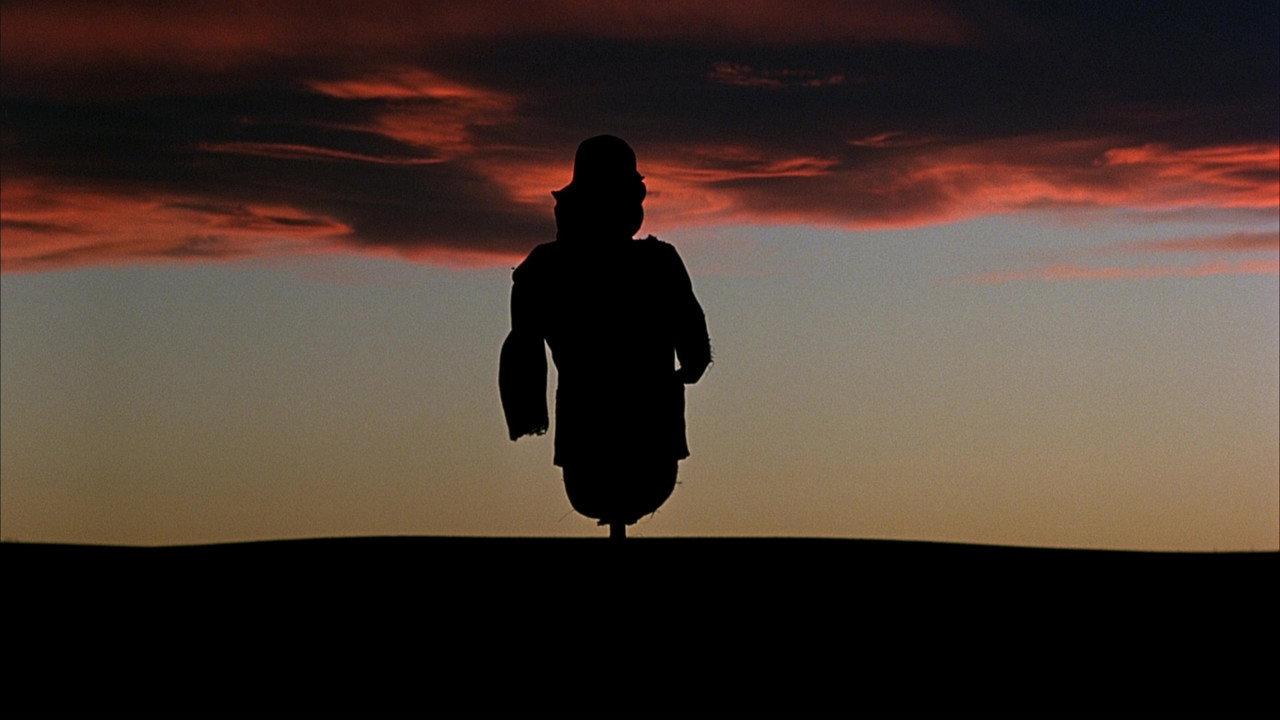
Days of Heaven
Néstor Almendros shot almost the entire film during the magic hour, creating one of the most celebrated lighting aesthetics in film history – the warm glow of the wheat fields became the film's defining visual leitmotif.
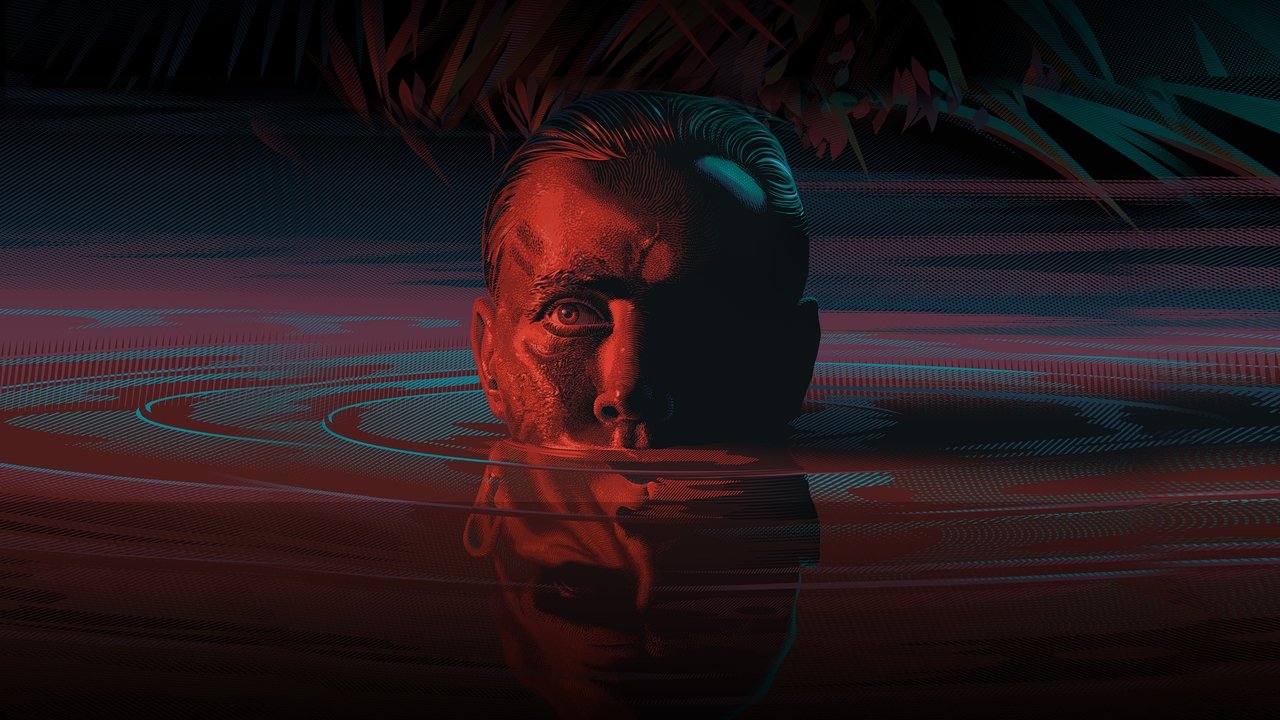
Apocalypse Now
Vittorio Storaro deliberately used the magic hour to visualize the psychological dissolution of boundaries between civilization and barbarism – the famous opening sequence with its orange jungle sky is a prime example.
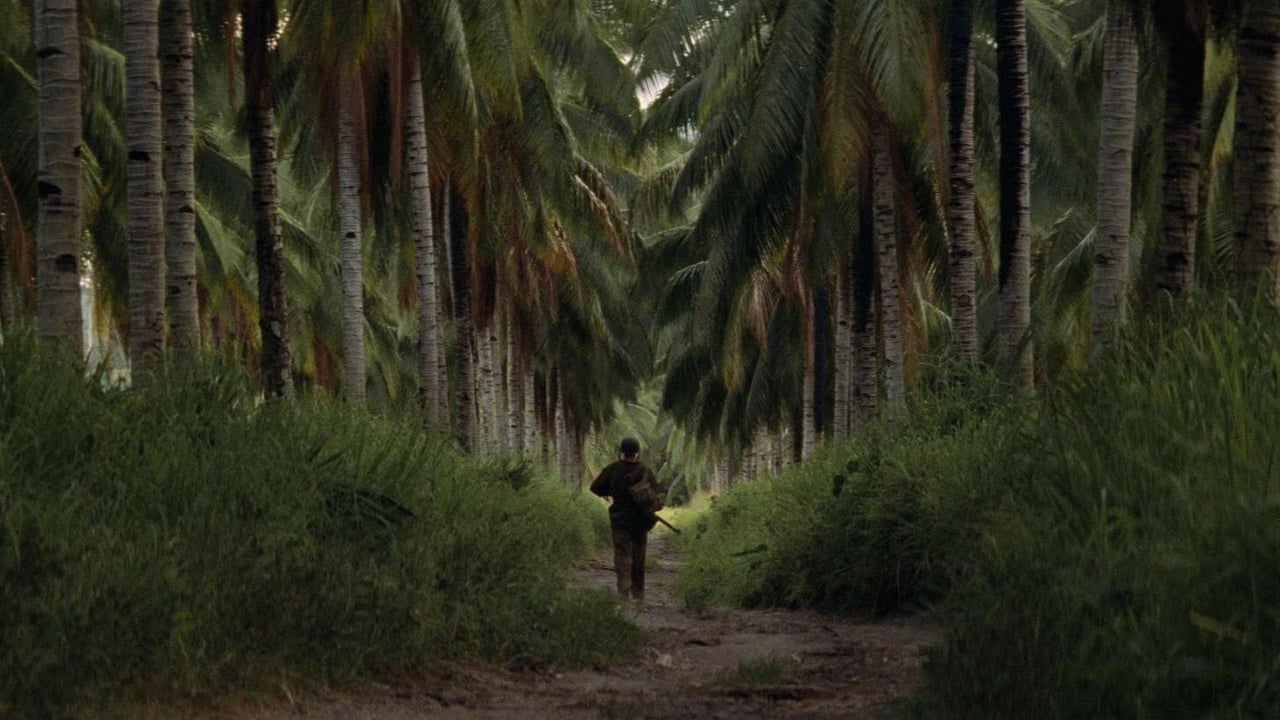
The Thin Red Line
John Toll repeatedly photographed the Guadalcanal battlefields in the soft light of the magic hour, positioning nature's beauty as a philosophical counterpoint to the brutality of war.
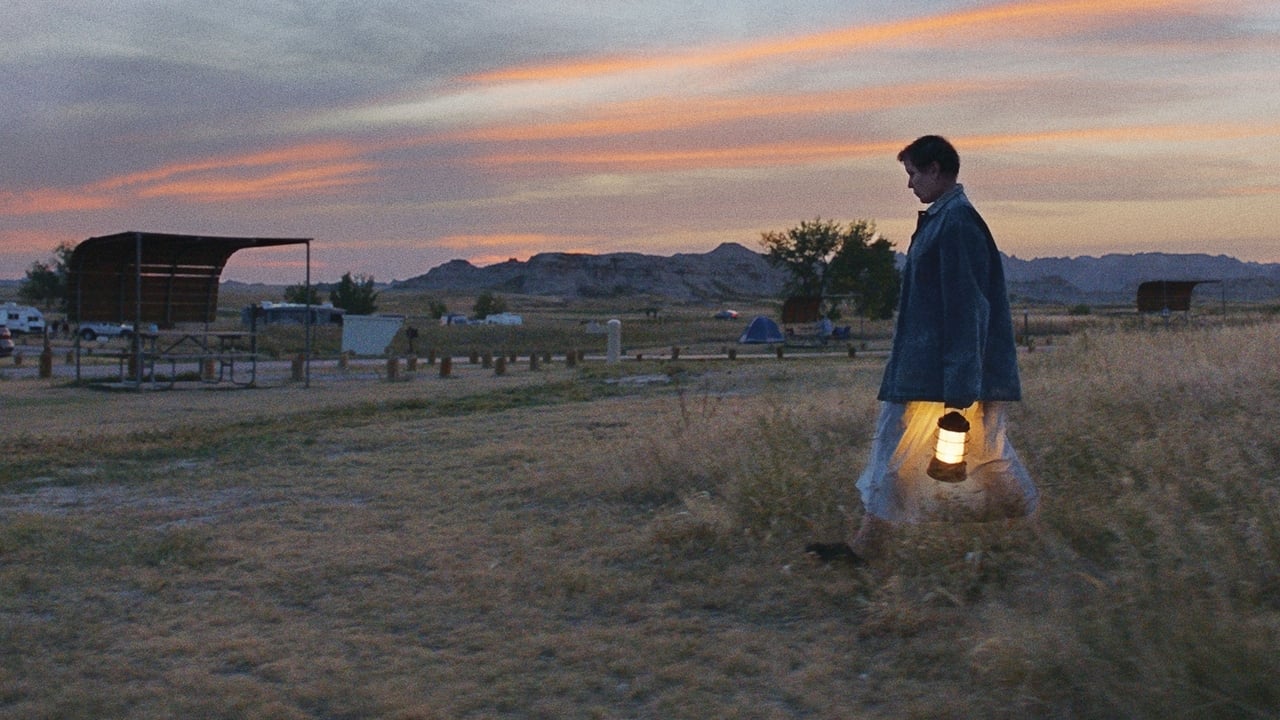
Nomadland
Joshua James Richards largely eschewed artificial lighting and consistently used the natural magic hour light to underscore the solitude and dignity of the nomadic protagonist against the vast American landscape.
Film stills sourced via the TMDB API. This product uses the TMDB API but is not endorsed or certified by TMDB. themoviedb.org ›
Technical Details
During the Magic Hour, sunlight passes through the thickest layer of the atmosphere, scattering blue light components and allowing predominantly red and yellow wavelengths (590-700 nanometers) to reach the Earth's surface. The exposure difference between the brightest and darkest image areas is typically 3-4 stops, compared to 8-12 stops in daylight. Modern digital cameras capture this contrast range easily at ISO values between 200-800. The Blue Hour immediately follows, offering 15-25 minutes of indirect sky light at 12000-20000 Kelvin.
History & Development
Terrence Malick popularized the systematic use of the Magic Hour starting with "Badlands" (1973), shot by DoP Tak Fujimoto. Nestor Almendros perfected the technique in "Days of Heaven" (1978) and established workflow standards for the limited time window. With the introduction of fast lenses and highly sensitive digital films from 2000 onwards, the practically usable shooting time was extended by 10-15 minutes per session.
Practical Application in Film
Emmanuel Lubezki used exclusively available light during the Magic Hour for exterior shots in "The Revenant" (2015). Standard workflow: Setup 90 minutes before the optimal phase, dress rehearsal in daylight, maximum run during the 30-minute core period. Roger Deakins combined the Magic Hour with 18K HMI lights as fill light in "Blade Runner 2049" (2017). Disadvantages: weather dependency and limited repeatability of takes.
Comparison & Alternatives
Distinction from the Blue Hour due to significantly warmer color temperature and higher light intensity. LED panels with 2700K-3200K and diffusion filters simulate the light quality but do not achieve the natural gradation. HMI lights with CTO filters (Color Temperature Orange) produce similar color temperatures but require additional diffusion through 12x12-foot silk frames. For controlled conditions, DoPs use these artificial light setups for night shoots or in studios.